

















How to Eliminate Dust from Home: A Practical Routine
If you're wondering how to eliminate dust from home, start by reducing what enters, removing what settles and cleaning the areas where it builds up. While you can't eliminate household dust completely, a consistent routine can help reduce dust in the house and keep it under control.
Damp dusting, regular vacuuming, bedding care and suitable air filtration all play a part. If daily floor cleaning is hard to keep up with, a robot vacuum can also help. Here's how to tackle the main sources of dust and maintain a cleaner home.
Why Your Home Gets Dusty
Household dust contains particles such as fabric fibres, tracked-in dirt, pollen and pet dander. It enters from outdoors, comes from everyday indoor activities and collects on surfaces, fabrics and floors. Some particles also remain airborne or become airborne again when disturbed.
If you're asking why is my home so dusty, these are some common causes to check
1. Dirt Enters From Outside
Shoes, clothing and open windows can bring in outdoor dust, soil and pollen. During Canada's wet or snowy weather, grit tracked in near entrances can spread throughout the house.
2. Fabrics and Pets Add to Dust
Bedding, curtains, carpets and upholstered furniture release fibres and collect particles. Pet hair and dander can add to the buildup on floors, furniture and bedding.
3. Dust Collects in Overlooked Areas
Baseboards, furniture edges and spaces beneath beds can accumulate dust between cleans. Walking around or moving fabrics and furniture may disturb settled particles.
4. Airborne Particles Settle Again
Some dust remains in the air before settling on surfaces. Air filtration can help capture particles that pass through a suitable filter, but it won't remove dust already settled on furniture or floors.
The key is to address both the sources of dust and the places where it collects. The following six steps show you how.
How to Eliminate Dust from Home
1. Reduce Incoming Dirt and Clear Clutter
Make an entryway place for outdoor shoes and a mat that can be cleaned easily. During wet or snowy weather, keep boots on a tray rather than carrying dried grit into the bedroom or living room. Clean the mat itself, too; a dirty entry mat becomes another surface that needs attention.
Next, clear the surfaces you want to dust regularly. Put loose papers, spare cables and small items into drawers or closed storage, and leave frequently used shelves easy to wipe. You don't need a minimalist home. You need enough access to clean without moving an entire collection each time.
For homes with pets, follow an appropriate grooming routine and clean their bedding according to its label. Wipe muddy paws before your pet walks through the house. These small changes reduce material reaching the floor, but they won't stop everyday fabric fibres or other indoor dust sources from appearing.
2. Damp-Dust Surfaces From Top to Bottom
Work downwards through accessible shelves, window ledges and furniture, leaving the floor until last. Lightly dampen a clean microfibre cloth rather than soaking it. Fold it to expose a fresh section as it becomes dirty, and switch cloths when necessary instead of spreading collected dust over the next surface.
Pay attention to places a quick tidy misses: lampshades, baseboards, the top of a headboard and the space behind a bedside table. Use the appropriate vacuum attachment where a cloth won't reach. Avoid dry sweeping or vigorous shaking indoors, which can disturb particles without collecting them.
Moisture isn't suitable for every object. Follow the care instructions for unfinished wood, delicate finishes and electronics, and never spray liquid directly into electrical equipment. Health Canada's indoor-air guidance recommends damp cleaning and regular vacuuming as part of household cleaning that supports indoor air quality.
3. Vacuum Before You Mop
Where possible, use a vacuum with a HEPA filter to pick up loose dust, hair and grit before introducing moisture. Move at a steady pace, paying attention to carpet edges, accessible corners and the area beneath furniture. A crevice tool can reach narrow gaps that a wide floor head misses. Select the setting appropriate for the rug or floor you're cleaning.
Then mop compatible hard flooring with a clean pad and the moisture level recommended by the floor manufacturer. A damp pad should collect residue without leaving puddles. Avoid assuming a floor is water-safe because it looks like wood or tile; the finish, seams and installation can change its care requirements.
Rinse or replace a dirty pad before continuing into another room. Allow the floor to dry before putting rugs back. For dust control, the useful sequence is collection first and damp cleaning second, with clean equipment throughout. A scented cleaner won't compensate for a pad already loaded with dirt.
4. Wash Bedding and Clean Dust-Prone Fabrics
Give the bedroom its own place in your routine. Sheets, throws, curtains and upholstered furniture can collect dust even when there's no carpet. Remove bedding gently rather than snapping it through the room, and take it straight to the laundry instead of dropping it onto the freshly cleaned floor.
Health Canada recommends washing sheets once a week in hot water to help manage dust mites. Follow each item's care label for a suitable wash temperature, and dry it thoroughly before remaking the bed.
Vacuum the mattress and upholstered furniture with attachments suitable for their materials. Check washable covers, pet beds and curtains separately, as their cleaning instructions may differ from those for your sheets. Making these tasks easy to remember helps prevent the floor from being the only part of the room that receives attention.
5. Filter Airborne Particles and Maintain Your Filters
Read the replacement-filter instructions before choosing an appliance. Check how to access the filter, whether it needs washing or replacement, and which part fits the exact model. Don't wash a filter unless the manufacturer permits it. A device you can maintain correctly is a better starting point than a label you haven't checked.
For a room air purifier, check the recommended room size and the clean air delivery rate, or CADR. CADR describes the unit's delivery of filtered air under test conditions. Health Canada's portable air cleaner guidance, published in 2024 and updated in 2026, recommends checking the Association of Home Appliance Manufacturers (AHAM) label rather than relying on a filter label alone.
Its example is a room measuring 10 feet by 12 feet, an area of 120 square feet. The general guideline for tobacco smoke CADR is at least two-thirds of the room-area number: 120 × 2/3 = 80. AHAM room ratings assume an 8-foot ceiling; higher ceilings need a unit rated for a larger room. This is a sizing guide, not a promised dust-removal percentage.
Keep the intake and outlet clear, and select a fan setting you can tolerate for sustained operation. Higher speeds and longer run times filter more air, according to Health Canada's air cleaner operating guidance. Clean or replace the filter as instructed. A blocked filter or a unit tucked tightly behind furniture can undermine an otherwise sensible setup.
Maintain furnace or ventilation-system filters according to the equipment instructions, too. Don't force a more restrictive filter into a system without checking compatibility. Ventilate with clean outdoor air when conditions permit; during smoke or high outdoor pollution, follow local air-quality advice and reduce polluted air entering. Avoid air cleaners that produce ozone.
6. Keep Floors Cleaner With a Daily Robot Vacuum Routine
Effective dust control starts with regular floor cleaning, especially in busy areas where dust and pet hair quickly accumulate. But finding time to vacuum every day can be difficult, and furniture edges and low-clearance spaces are easy to overlook.
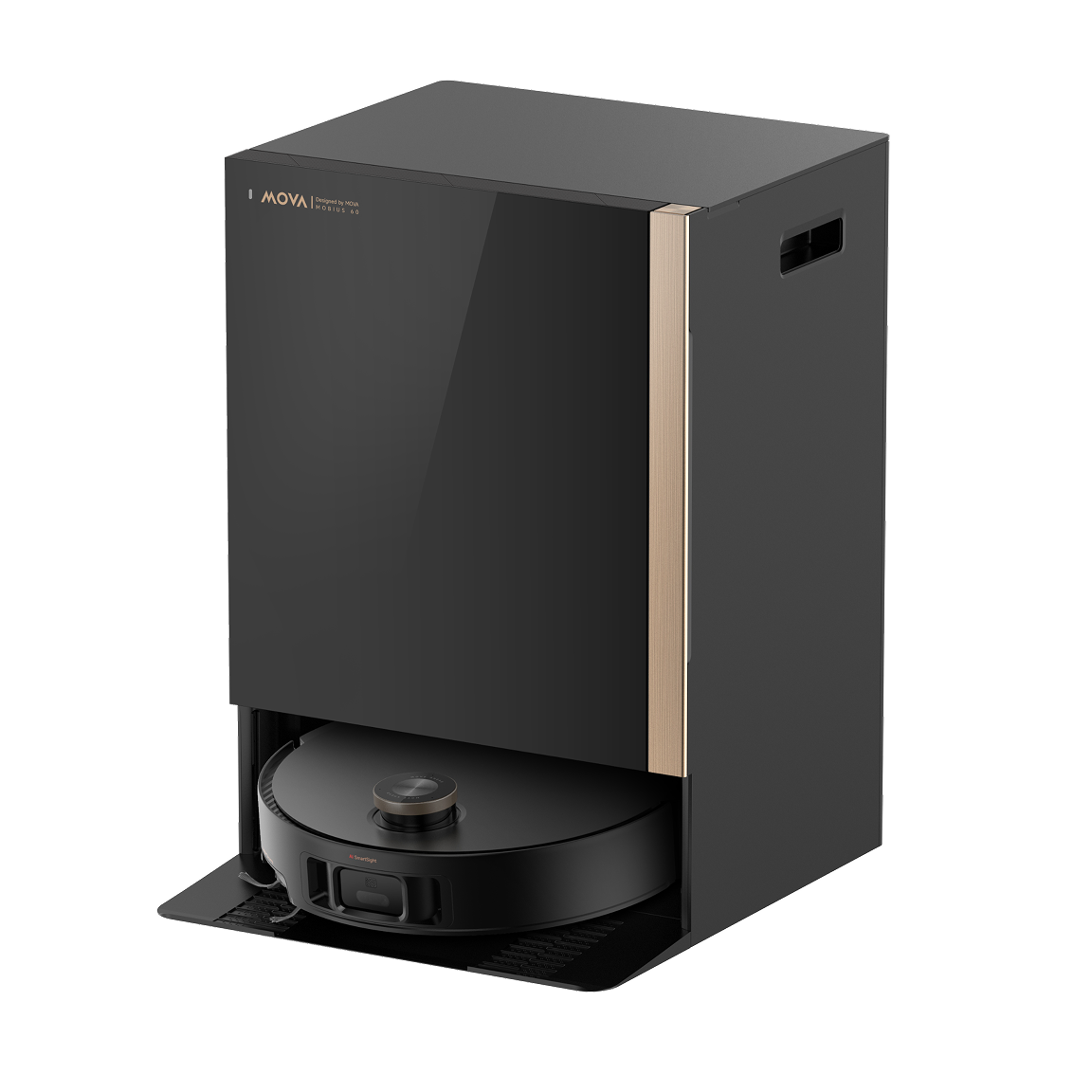
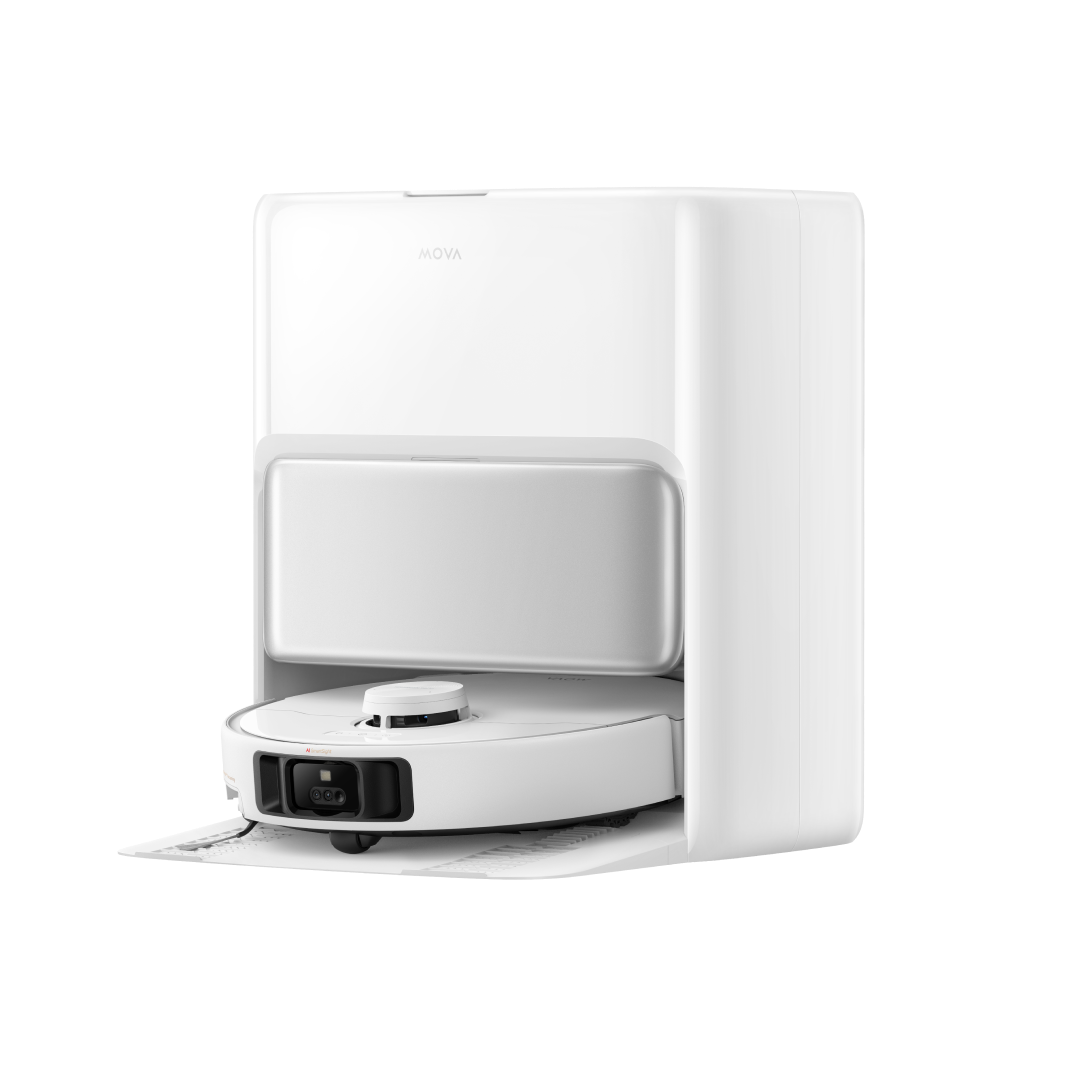
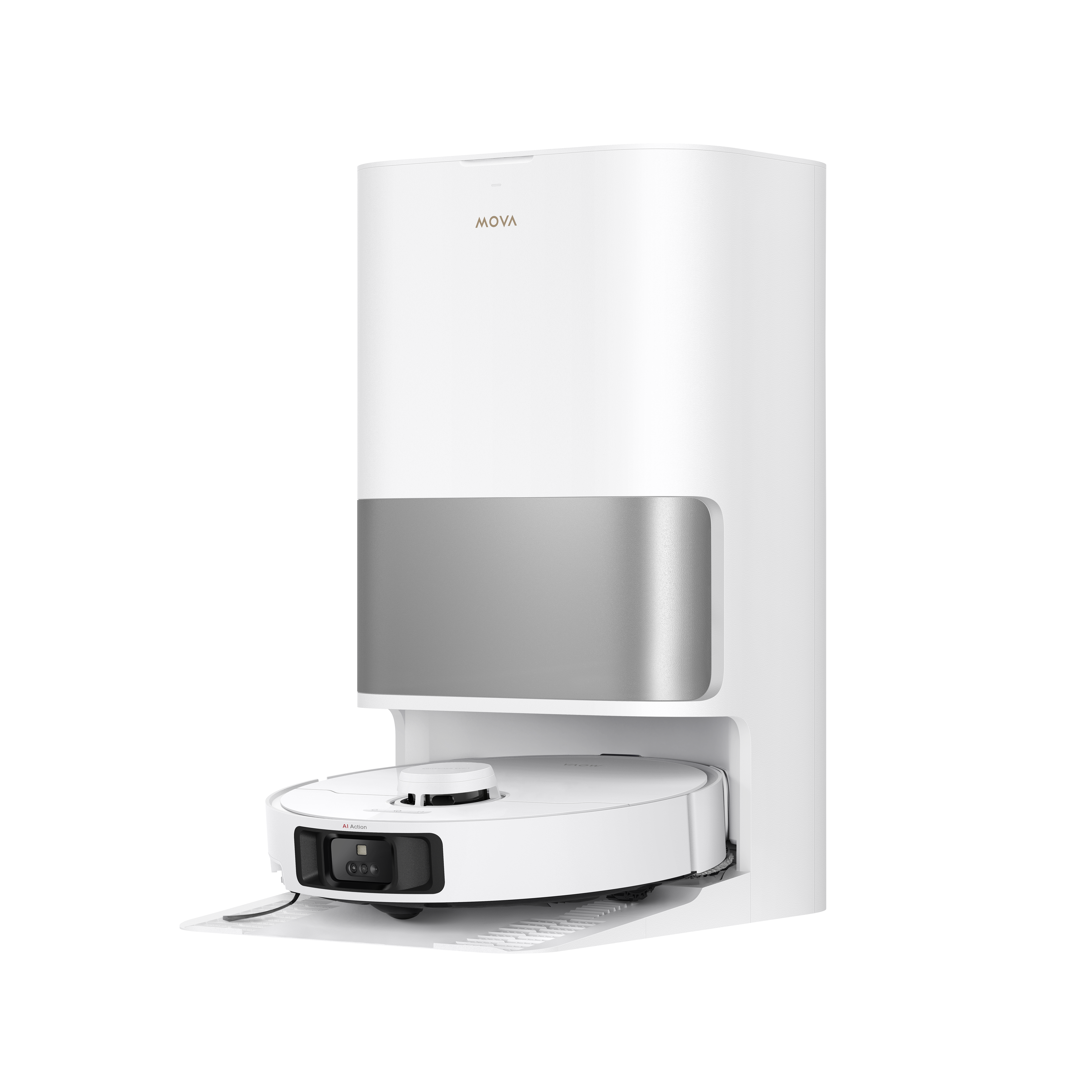
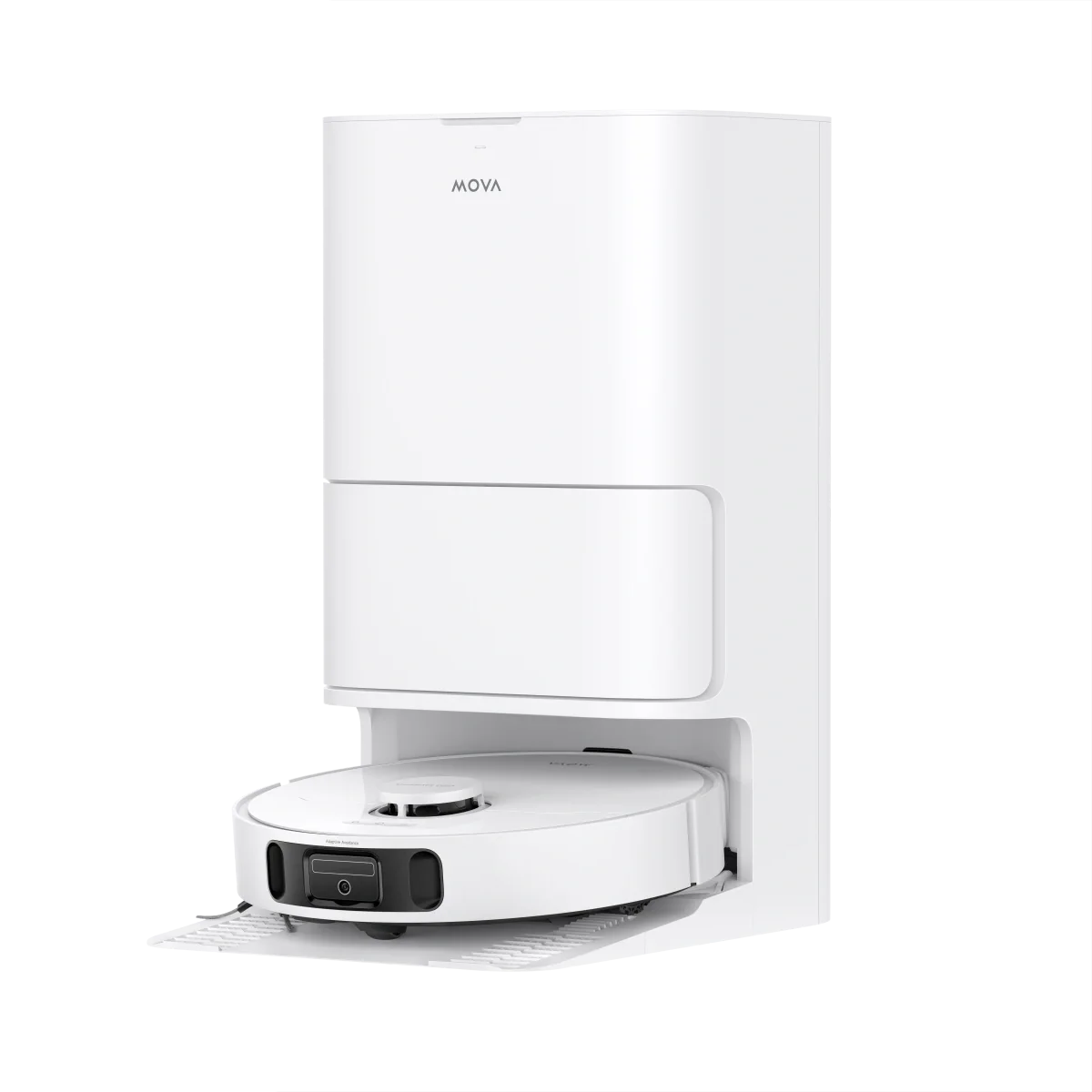
The MOVA V70 Ultra Complete Robot Vacuum can help you maintain a more consistent cleaning routine. Its extending MaxiReachX side brush and mop are designed to clean along edges and into narrow gaps, while its retractable navigation sensor helps it reach suitable spaces beneath low-clearance furniture.

Its EcoCyclone bagless dust tank and multifunctional dock, which handles dust collection, mop washing and drying, reduce some of the hands-on work between cleaning runs. You can also use the app to target specific areas, such as a busy hallway or a room where dust tends to accumulate.
A robot vacuum can help keep accessible floors cleaner between deeper cleans, but it won't replace dusting furniture, washing bedding or maintaining air filters. Check furniture clearance and follow the manufacturer's maintenance instructions to keep your cleaning routine on track.
How to Keep Dust Under Control Between Deep Cleans
Once you've dealt with the main sources of dust, a manageable schedule can help prevent it from building up again. You don't need to deep-clean every room every day. Focus on high-traffic areas and adjust the schedule to your household's needs.
Set a Practical Dust-Cleaning Schedule
|
Frequency |
Suggested task |
|
Daily or as needed |
Pick up floor clutter and clean busy areas where dust and debris accumulate quickly. |
|
Weekly or as needed |
Wash sheets according to their care labels and wipe frequently used surfaces. |
|
When floors need it |
Vacuum loose debris, then damp-mop compatible hard flooring. |
|
According to the manufacturer's instructions |
Inspect filters, clean vacuum components and maintain the robot and its dock. |
|
When visibly dusty |
Clean entry mats, washable covers, curtains and overlooked ledges. |
Use this schedule as a starting point rather than a strict checklist. A busy entrance or a home with pets may need more frequent floor cleaning, while less-used rooms may need less attention.
Make Your Cleaning Routine Easier to Maintain
A few practical adjustments can make your routine easier to stick with:
- Start with the busiest areas. Focus on the entrance, main walkway and bedroom before expanding to the rest of the house.
- Keep cleaning supplies accessible. Store microfibre cloths and suitable attachments where you can reach them easily.
- Prepare floors before automated cleaning. Pick up loose cords and small objects, and check rug settings and furniture clearance before running your robot vacuum.
- Maintain your equipment. Inspect brushes, wheels, dust containers and filters as directed by the manufacturer. Automatic maintenance can reduce some hands-on work, but it doesn't remove every maintenance task.
- Adjust the schedule when dust returns. If one area becomes dusty faster than others, look for a local source rather than increasing cleaning frequency everywhere.
The goal is to find a routine you can repeat, not to keep every surface spotless at all times.
What to Do When Dust Keeps Coming Back
If you're dealing with dust flying around room or settling soon after cleaning, look for the likely source before adding more chores. Some cleaning activities can disturb settled particles, so check your cleaning technique and the areas where dust tends to accumulate.
- Dust near the entrance: Check outdoor shoes, mats and boot trays. Removing shoes at the door and cleaning entrance areas regularly can help limit the dirt tracked indoors.
- Dust on bedside tables: Check bedding, headboards, curtains and nearby fabric storage. Wash bedding regularly and clean surrounding surfaces with a suitable damp cloth.
- Dust beneath furniture: Check whether your cleaning tools can reach these spaces. A suitable vacuum attachment or robot vacuum may help collect dust from accessible gaps, depending on furniture clearance.
Dust returning across several rooms: Review your cleaning cloths, vacuum filter and collection container. Also consider ventilation and indoor activities that may release or disturb particles. Health Canada's indoor air quality guidance provides further advice on household cleaning, ventilation and air filtration.
Humidity also deserves attention, particularly if you notice condensation or persistent dampness. Health Canada recommends maintaining indoor relative humidity between 30% and 50% to help prevent mould growth. See its guidance on reducing humidity and moisture for practical steps. This range is intended to help manage moisture and mould, not to guarantee less household dust.
Make one change at a time so you can tell whether it helps. If dust keeps returning in a particular area, address the likely source rather than simply increasing cleaning frequency throughout the house.
Conclusion
Learning how to eliminate dust from home starts with reducing incoming dirt, cleaning surfaces from top to bottom, vacuuming regularly and maintaining your filters.
A robot vacuum like the MOVA V70 Ultra Complete can help keep floors cleaner between deeper cleans, while dusting furniture, washing bedding and filtering airborne particles remain important parts of your routine.
FAQs
Do air purifiers really get rid of dust?
An air purifier can reduce airborne dust particles that pass through its filter, but it won't remove dust already settled on furniture or bedding. Choose a unit sized for the room, keep its airflow unobstructed and maintain the filter. Continue damp dusting, vacuuming and washing fabrics alongside air filtration.
What absorbs dust in a room?
Soft furnishings such as carpets, curtains, and upholstered furniture can trap dust, but they also release particles when disturbed. To reduce dust buildup, wash removable fabrics regularly, vacuum upholstered surfaces, and consider replacing heavy curtains with washable alternatives. These steps help manage dust accumulation rather than relying on materials that claim to absorb dust from the air.
What is a simple old-fashioned trick for removing dust?
Lightly dampening a clean cloth helps collect dust from surfaces that tolerate moisture, rather than simply brushing it into the air. Work from higher surfaces downwards and expose a clean section of cloth as you go. Follow surface-care instructions, especially around delicate finishes, unfinished wood and electrical equipment.
Why is my bedroom dusty even after cleaning?
Bedding, clothing, curtains and overlooked spaces can keep contributing dust after the visible floor is cleaned. Check the headboard, furniture edges and nearby fabric storage, then review your cloth and vacuum maintenance. An air purifier or robot vacuum handles only part of the job; neither cleans every bedroom surface.