

















Canadian homes face unique floor care challenges throughout the year. Winter brings road salt, snow, and moisture into entryways. Spring introduces mud and debris from melting snow. Summer often means increased foot traffic, while autumn can leave leaves, dirt, and moisture tracked indoors.
Because of these changing conditions, many homeowners wonder: How often should you mop your floors?
The answer depends on your household and flooring type. A consistent mopping routine does more than keep floors looking clean. It helps protect expensive flooring materials, reduces allergens, removes bacteria, and extends the lifespan of your floors.
In this guide, we'll break down the ideal mopping frequency for every room and floor type commonly found in Canadian homes.
The General Rule: How Often Should You Mop?
As a baseline:
- High traffic areas: 1 to 2 times per week
- Kitchens: 2 to 3 times per week
- Bathrooms: 1 to 2 times per week
- Low traffic rooms: Every 2 weeks
- Hardwood floors: Every 2 to 4 weeks
- Homes with pets: Every few days
Of course, these recommendations should be adjusted based on your home's specific needs.
Factors That Influence Mopping Frequency
1. Household Size and Activity Level
A single person living alone will naturally generate less dirt than a family of five.
More occupants typically mean:
- More foot traffic
- More food spills
- More dust and debris
- More bacteria being introduced from outdoors
If your household includes multiple family members, increasing your mopping frequency may help maintain cleaner and healthier floors.
2. Pets and Children
Pets and young children are often the biggest contributors to dirty floors.
Dogs frequently track dirt, moisture, and outdoor debris into the home. Cats can scatter litter around feeding and litter box areas. Children often leave behind food crumbs, sticky residues, and muddy footprints.
If you have:
- One or more dogs
- Multiple cats
- Toddlers or young children
You may need to mop key areas every two to three days, especially near entrances, kitchens, and play spaces.
3. Seasonal Challenges in Canada
Canadian weather has a major impact on floor maintenance requirements.
- Winter: Road salt, sand, and snow can be particularly damaging.
Salt crystals act like sandpaper on hardwood, vinyl, and laminate surfaces. If left untreated, they can:
- Scratch protective finishes
- Cause discoloration
- Accelerate floor wear
- Leave stubborn white residue
During winter, entryways and hallways often benefit from mopping several times per week.
- Spring: The spring thaw creates muddy conditions that quickly transfer indoors.
Homes with active families or pets often require more frequent mopping to prevent dirt buildup.
- Summer: Open windows and increased outdoor activities can introduce dust, pollen, and debris into the home.
Regular mopping helps improve indoor air quality during allergy season.
- Fall: Leaves, moisture, and organic debris can accumulate around entrances, especially during rainy periods.
4. Flooring Material
Different flooring materials require different cleaning schedules and techniques.
Using too much water on certain floors can be just as damaging as not cleaning them enough.
Let's look at the ideal schedule for each floor type.
How Often Should You Mop Different Types of Floors?
|
Floor Type |
Recommended Mopping Frequency |
Key Maintenance Note |
|
Kitchen Floors |
2 to 3 times per week |
Prone to food spills, grease buildup, and heavy foot traffic. |
|
Bathroom Floors |
1 to 2 times per week |
Essential for sanitizing and preventing mold or mildew growth. |
|
Pet Households |
Every few days |
Necessary to manage pet dander, tracked-in dirt, and accidental messes. |
|
Tile Floors |
1 to 2 times per week |
Can handle frequent moisture; focus on keeping grout lines clean. |
|
Vinyl Floors |
Once per week |
Highly water-resistant but benefits from regular debris removal. |
|
Laminate Floors |
Every 1 to 2 weeks |
Use a damp microfibre mop; avoid saturating the seams with water. |
|
Hardwood Floors |
Every 2 to 4 weeks |
Requires minimal water. Clean with a damp mop and a wood-safe formula. |
Pro Tip: Never mop a dry floor. Always vacuum or sweep thoroughly beforehand to remove loose dirt, pet hair, and grit. Mopping without sweeping first simply pushes wet dirt around, which can scratch delicate surfaces like hardwood and laminate.
Ultimately, no single schedule works perfectly for every home. The right frequency for your space depends on how quickly dirt, moisture, and bacteria accumulate. By adjusting your routine to match your specific flooring types and the changing Canadian seasons, you will keep your home looking pristine while protecting your flooring investment for years to come.
The Smart Solution: Modernizing Your Floor Care
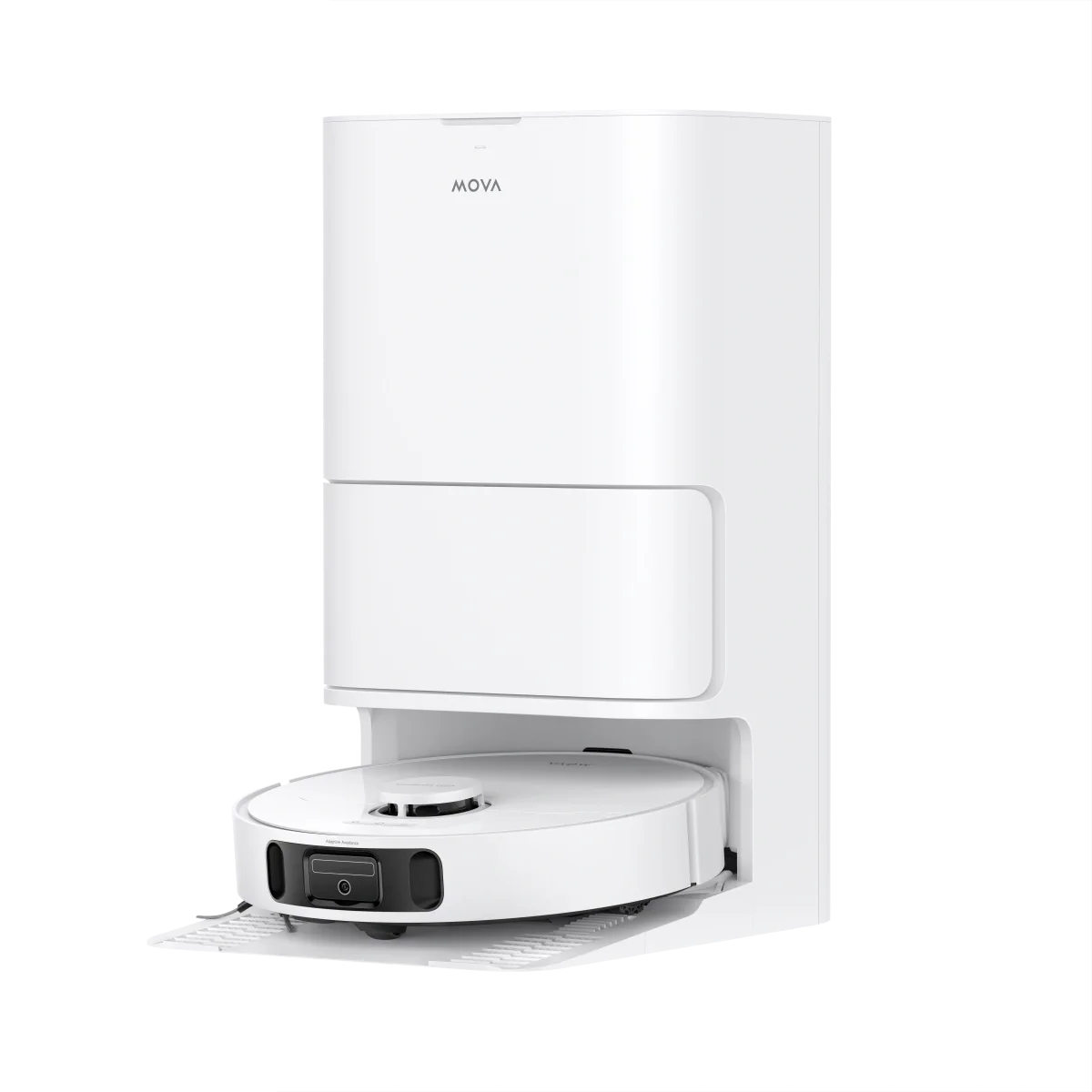
Sticking to a regular mopping schedule can be difficult, especially in busy Canadian households dealing with seasonal dirt, pet hair, and daily foot traffic. Smart robot vacuum and mop systems help maintain cleaner floors between deep cleaning sessions while reducing the time spent on routine maintenance.
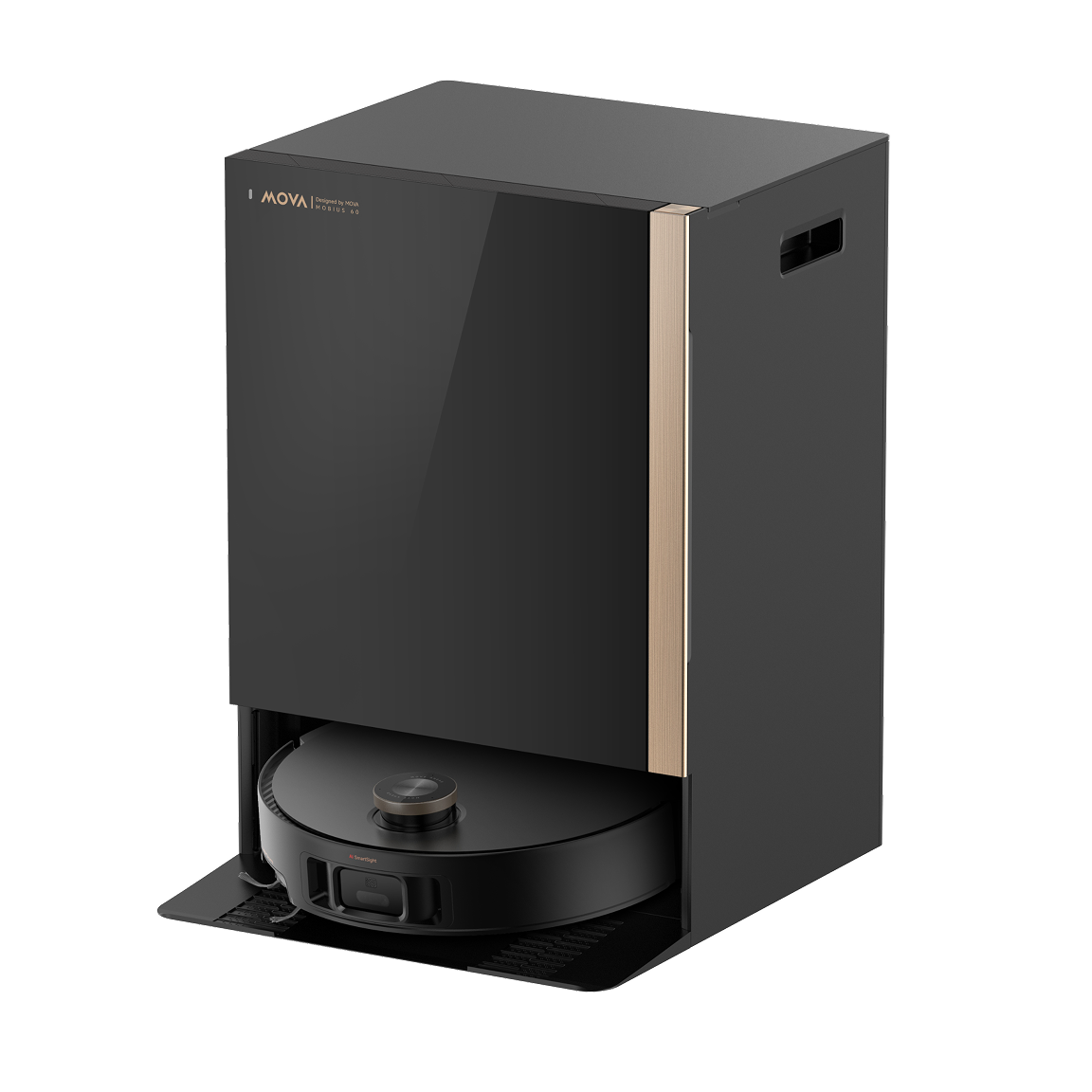
For Versatile Surfaces: MOVA Mobius 60
The MOVA Mobius 60 is designed for homes with multiple flooring types. Its MopSwap System includes dedicated mop pads for kitchens, hardwood floors, and everyday cleaning, making it easy to adapt to different surfaces.
For homes with transition strips or raised thresholds, StepMaster 2.0 allows the robot to climb obstacles up to 3.14 inches. The self-cleaning base station also washes mop pads with 100°C hot water, helping maintain better hygiene throughout the year.
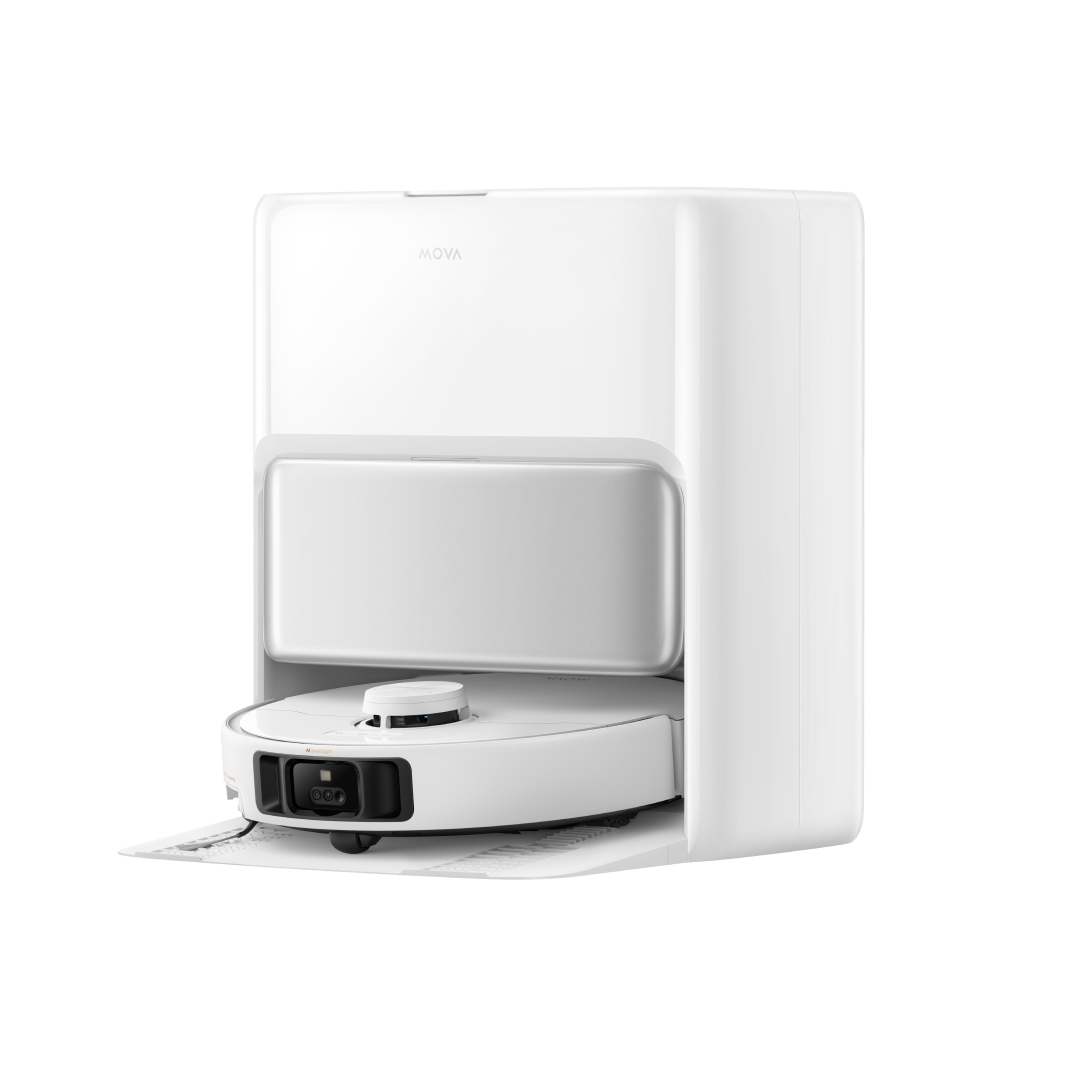
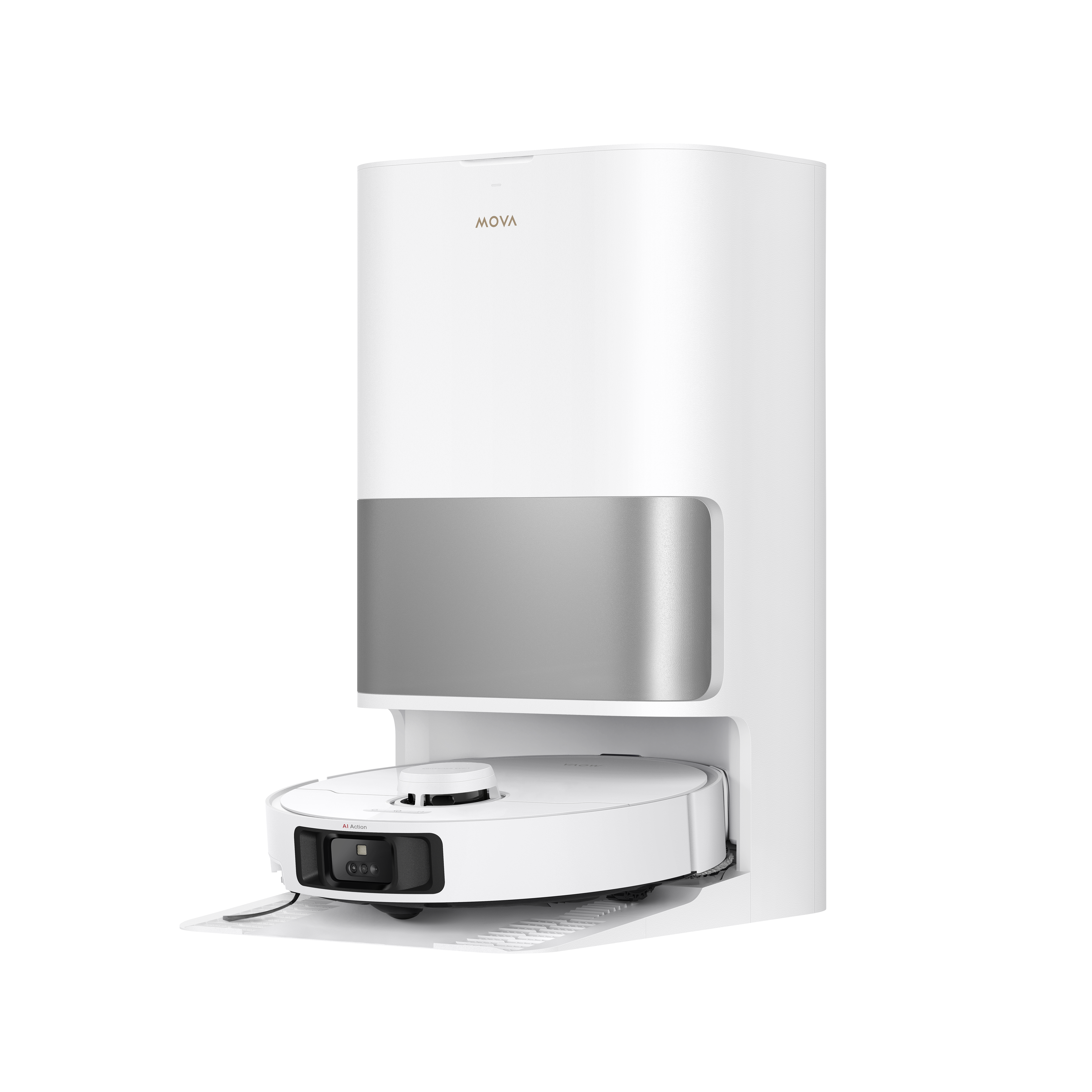
For Large Homes & Mixed Flooring: MOVA Z60 Ultra
The MOVA Z60 Ultra is well suited for larger homes with a mix of hard floors and carpets. Its AutoShield Carpet Protection automatically lifts and protects the mop when carpets are detected, helping prevent unwanted moisture exposure.
Meanwhile, HydroForce Mopping continuously refreshes the cleaning process with clean water, while Dual-Sided Edge Cleaning helps remove dust and debris along walls, corners, and baseboards for more complete floor coverage.
Tips for Maintaining Your Floors Between Mopping
While smart technology keeps your floors consistently fresh, implementing a few daily habits will minimize dirt buildup and prolong the life of your flooring materials.
- Deploy Walk-Off Mats: Place high-quality, heavy-duty mats inside and outside every entryway. Capturing road salt, slush, and abrasive grit at the door prevents these particles from being tracked inside where they can scratch floor finishes.
- Wipe Spills Immediately: Liquid is the natural enemy of hardwood and laminate seams. Keep a microfibre cloth handy to dry up puddles, pet water splashes, or cooking spills before moisture seeps into the subfloor and causes warping.
- Stick to pH-Neutral Cleaners: Harsh chemical cleaners can strip away the protective sealant on hardwood or dull the shine of natural stone and tile. Always use a gentle, pH-neutral cleaning solution specified for your floor type.
Conclusion
There is no one size fits all mopping schedule. The right frequency depends on your flooring type, household activity, pets, and seasonal conditions. By combining regular maintenance with smart cleaning tools, you can keep your floors cleaner, protect their lifespan, and spend less time on daily chores.
Explore the MOVA collection to find the right automated cleaning solution for your home's unique flooring needs.
FAQs
How often should I mop tile floors?
Most tile floors should be mopped once or twice per week. Areas with heavy foot traffic, such as kitchens, mudrooms, and entryways, may require more frequent cleaning to prevent dirt and grime from building up in grout lines.
Is weekly mopping enough?
For many households, weekly mopping is sufficient for maintaining clean floors. However, homes with pets, young children, or high traffic areas may benefit from mopping several times per week, especially in kitchens and entrances.
Should I mop after vacuuming?
Yes. Vacuuming or sweeping before mopping removes loose dirt, dust, and debris that could otherwise be spread across the floor. This helps achieve a deeper clean and prevents streaking.
How often should pet owners mop floors?
Pet owners should typically mop hard floors every few days. Pet hair, muddy paw prints, tracked-in dirt, and food spills can accumulate quickly, particularly around entryways, feeding stations, and litter box areas.