

















Best Robot Vacuum for Rugs: A Guide for Canadian Homes
The best robot vacuum for rugs combines effective pickup with brush design and mop control suited to your floor coverings. Rug height, loose edges, and fringe also affect how well it can move and clean. This guide explains what to consider, how MOVA P10 Pro Ultra Gen2 fits Canadian homes, and how to set up your first cleaning run.
Key Takeaways
- Start with each rug's construction, stability, and care instructions.
- Assess suction alongside brush design, airflow, and cleaning coverage.
- Check hair pickup separately from anti-tangle claims.
- Match mop lifting, detachment, or avoidance to your rug's moisture limits.
- Watch the first run around the fringe and loose edges before scheduling cleaning.
What to Consider in a Rug Vacuum
A capable robot rug cleaner needs more than strong suction. Compare how it detects carpet, handles hair, controls wet pads, and moves through your home. These six factors help you judge whether its features fit the work you need done.
Distinguish Rug Detection from Cleaning Settings
Rug detection identifies the surface; the selected carpet strategy determines what happens next. That response might be increased suction, raised pads, a different cleaning pattern, or avoidance. Check that the available response matches each rug rather than assuming every detected carpet will be vacuumed automatically.
Look Beyond Maximum Suction
Pa measures pressure, not the amount of dirt removed in a cleaning pass. Brush contact, airflow, and vacuum suction power work together to affect how much debris a robot removes from a rug.
Separate Anti-Tangle Design from Hair Pickup
Anti-tangle brushes address hair wrapping around moving parts. Hair pickup concerns strands left in the rug. For a shedding pet, both matter: after cleaning, inspect the pile for remaining hair and the brush ends for wrapping. A design that reduces one problem does not establish its performance on the other.
Match Mop Control to the Rug's Care Requirements
Mop lifting changes the pad position, not a universal safe pile-height limit. Soft fibers, raised borders, and damp pads affect contact, so do not subtract rug height from the published lift to calculate clearance. Use the supported vacuum-only, avoidance, or pad-detachment strategy for a dry-only textile. Water shutoff alone does not dry an already damp pad.
Check Coverage as Well as Obstacle Avoidance
Mapping helps a robot plan a route; obstacle avoidance responds to objects along it. Neither proves that a thin rug will stay flat or that every tassel will be recognized. Watch entry, turns, and exit, including the return to the dock. Check that no-go zones do not block the only route to another room.
Treat Tassels as a Separate Requirement
When considering the best robot vacuum for rugs with fringe, prioritize a controllable cleaning boundary over higher suction. Loose strands can reach rotating brushes even when the rug itself is easy to cross. No-go settings help manage the route, but their practical position needs checking around the robot's body and side brush.
What to Consider for Different Rug Types
The way a rug is made changes what your robot needs to handle. Fringe calls for protected borders, thin rugs need stability, and high pile requires a separate movement and brush check. Use these differences to narrow your options before choosing a model.
Keep Fringe Outside the Cleaning Path
Set an exclusion zone that leaves space for the tassels and the robot's turning movement. Watch the fringe-side turns during setup, then adjust the zone if a brush comes too close. If the rug's dimensions leave no workable cleaning area, exclude it and use the care method recommended by its maker.
Only fold fringe underneath if the rug maker allows it and the fold does not create a catchable ridge. If a tassel gets caught, stop and switch off the robot before releasing it, as described in the manual. Inspect the material and revise the route before restarting.
Stabilize Thin Rugs Before Automating
A rug that wrinkles or slides needs attention before scheduled cleaning. Use a rug pad, backing or fastening method approved for both the textile and the floor. Check that corners remain flat when the robot approaches from different directions. Avoid makeshift adhesives that could mark a delicate floor finish.
If the robot pushes or folds the edge, remove that rug from the route until it is stable. Increasing suction does not fix a loose border. A thin runner may also leave too little room for a robot to turn without reaching nearby fringe, even when its center stays flat.
Check High-Pile and Delicate Rugs Individually
For high pile, assess movement and brush contact separately from moisture control. MOVA's Canadian page describes a high-pile avoidance strategy based on app preferences.
For hand-knotted, looped, or delicate fibres, follow the rug maker's instructions on rotating brushes and vacuuming. Exclude the rug if its care requirements conflict with the robot's cleaning method. You can also explore MOVA's carpet-cleaning robot range when your needs extend beyond the specified model.
Why Choose MOVA P10 Pro Ultra Gen2 for Rugs?
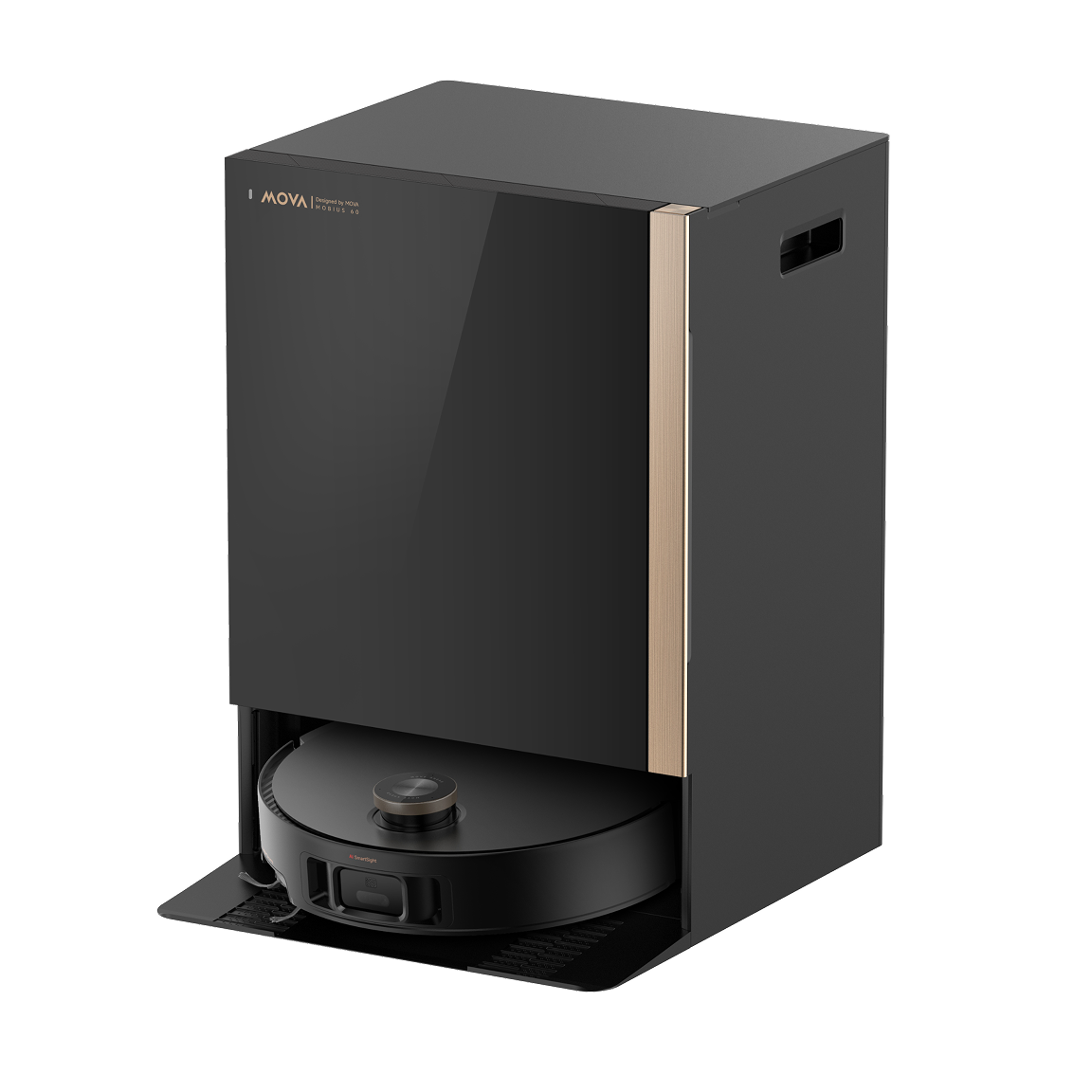
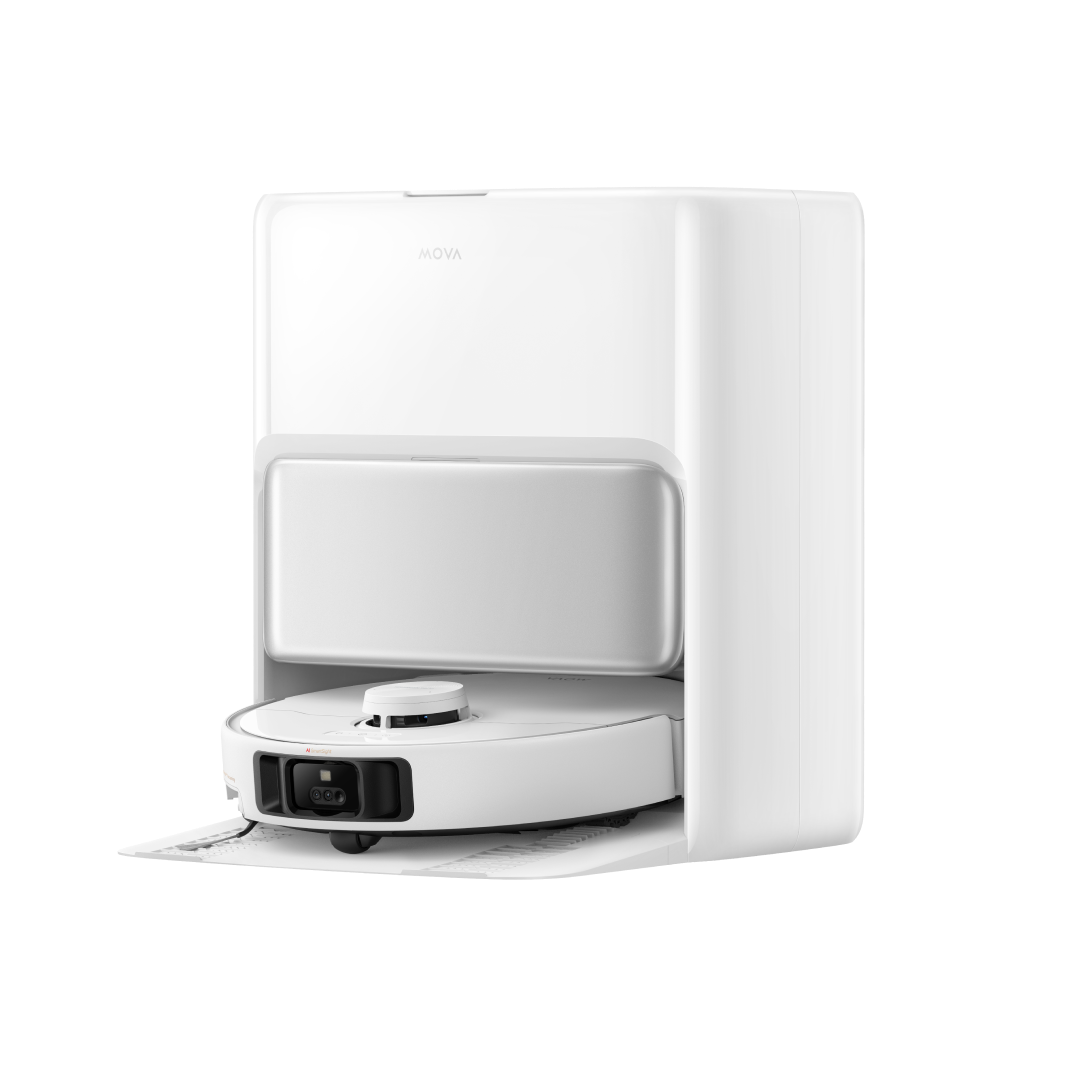
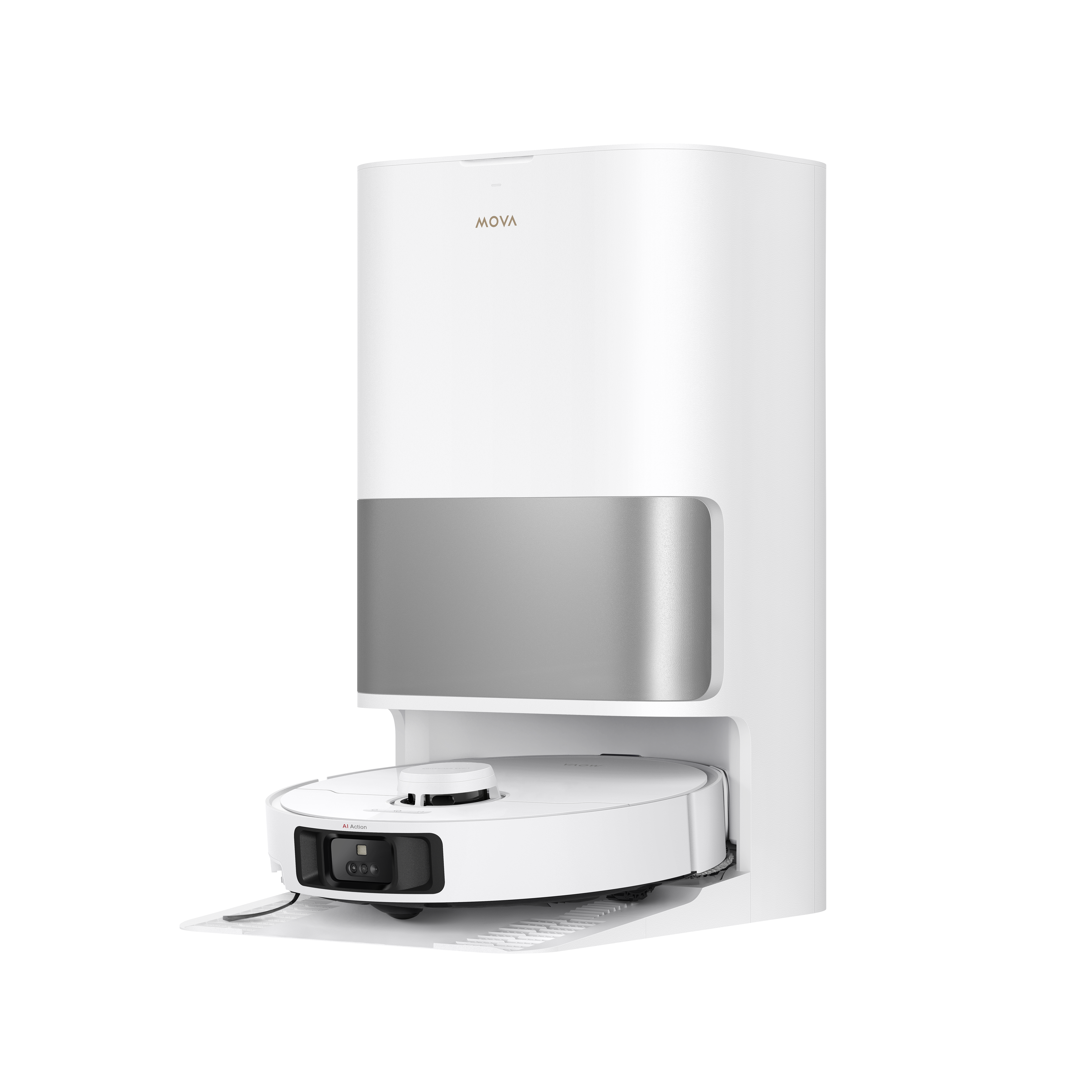
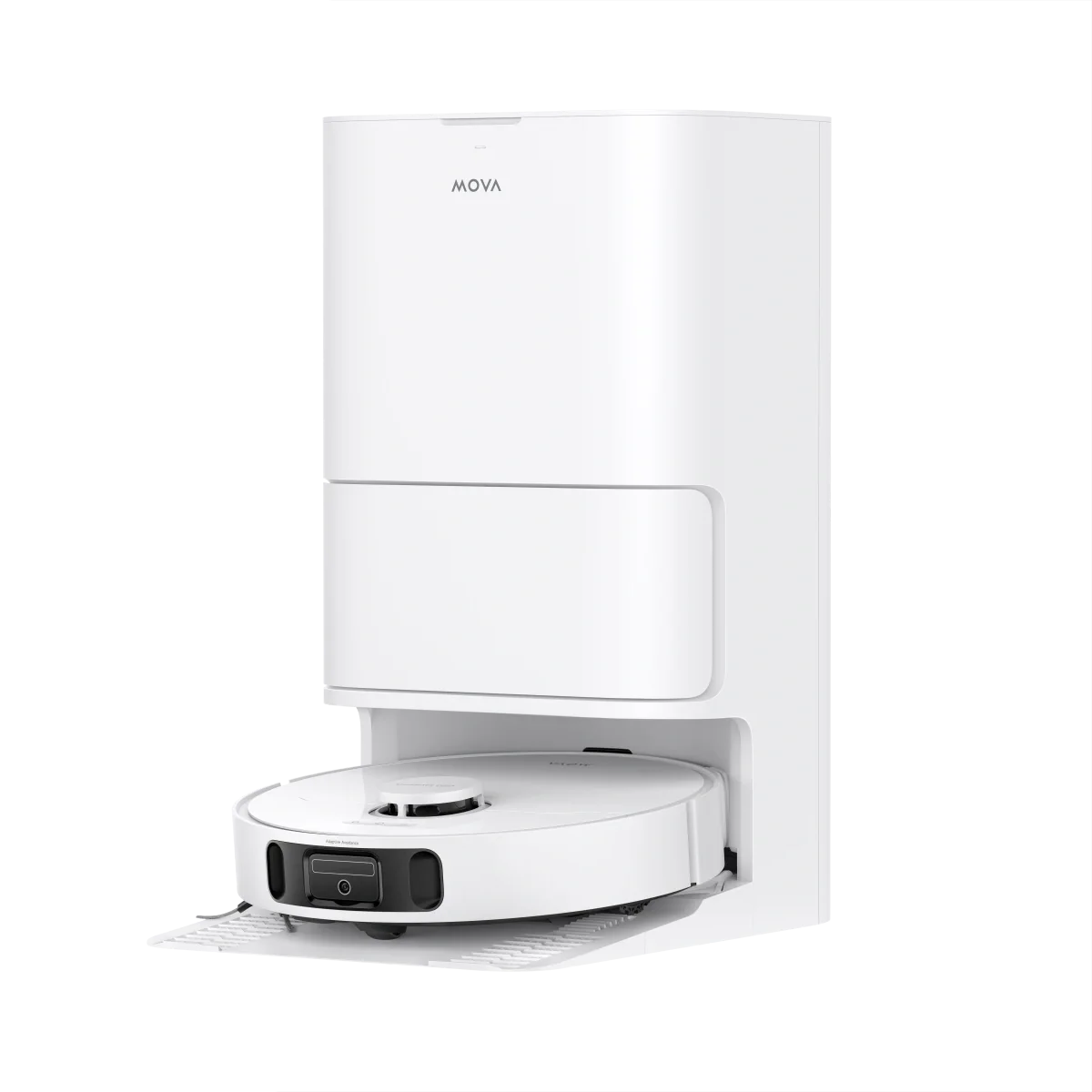
For homes with secured low-pile rugs and hard floors, MOVA P10 Pro Ultra Gen2 combines carpet settings, suction boost and mop control in one routine. Its features address the surface changes discussed above, while fringe and delicate textiles still need their own care decisions.
If you are choosing a robot vacuum for rugs during Black Friday, explore the MOVA Black Friday deals for current offers on participating models. Compare carpet settings, mop control, and included accessories alongside the price to find a setup that suits both your rugs and your budget.
If your home mainly has fitted carpet, the broader robot vacuum guide for carpet covers that buying decision.
Carpet Settings for Low-Pile Rugs
If you want regular vacuuming across low-pile rugs and nearby hard floors, the MOVA P10 Pro Ultra Gen2 offers carpet suction boost according to your preset app preferences. Its Canadian product page also describes a high-pile avoidance strategy. These settings let you plan cleaning around suitable rugs rather than applying the same treatment to every textile.

Mop Lifting for Mixed Floors
When transitioning to carpet, the mop pads lift and water flow stops, supporting rug vacuuming alongside hard-floor mopping. That is useful when a living-room rug sits within a larger hard-floor cleaning area. Damp pads can still contact raised borders or soft fibres, so use the supported avoidance or vacuum-only configuration when your rug must stay dry.
Anti-Tangle Design for Everyday Upkeep
The anti-tangle system includes a V-shaped rubber roller, a side brush, and an omni-wheel design. These components address hair wrapping during routine cleaning; the CleanChop brush is optional, so check the Canadian package if you want that accessory. Hair pickup and resistance to wrapping remain separate considerations, especially with shedding pets.
Best for:
- Homes with secured low-pile area rugs.
- Rooms combining hard floors and rugs.
- Households that want routine vacuuming alongside hard-floor mopping.
Keep loose fringe and unstable or delicate rugs outside the automated route when their care requirements conflict with the robot's cleaning method. Clear cables and small objects before running it, and observe the first clean to check movement, pickup, and any wet-pad contact.
Set Up Your First Cleaning Run
A supervised first run shows how your chosen robot behaves on your home's rugs. Use these steps to check its settings, route, and cleaning result before you leave it to a regular schedule.
- Prepare the room.Remove cables, socks, and small toys, read the rug labels, and secure approved edges.
- Configure each rug.Select the supported carpet treatment and set any necessary exclusions. Check access to other rooms.
- Watch the route.Observe entry, turning, exit, and the journey back to the dock. Stop if the robot snags or shifts the textile.
- Inspect the result.Look for remaining debris, wrapped hair, disturbed fibres, or damp marks before scheduling repeat cleaning.
Recheck the setup when you move a rug or dock, change accessories, or alter carpet settings. In Canadian entryways, keep wet or slushy mats outside the vacuuming route and deal with them using their approved care method. Do not treat an ordinary rug-vacuuming cycle as liquid pickup.
Conclusion
Choosing the best robot vacuum for rugs starts with matching its cleaning features to your rug types and everyday needs. Once you find a routine that works, keeping your favourite spaces tidy can feel a little easier. That leaves more time to enjoy your home.
FAQs
Why Might a Robot Vacuum Avoid a Dark Rug?
On some robots, a dark surface can trigger the cliff sensors used to detect drops. A saved no-go zone, carpet-avoidance setting, or dirty sensor may also explain the behaviour. Check the app and your model's troubleshooting instructions, and clean accessible sensors as directed. Do not cover or disable safety sensors to force the robot onto a rug.
How Often Should You Check the Brush After Cleaning Rugs?
Check after the first few runs to learn how much hair and fibre your rugs release, then follow the model's maintenance schedule. Inspect more often when shedding pets or when visible wrapping is present, and clear debris from the brush ends as instructed. Include the brush ends, filter, and sensors in your robot vacuum maintenance routine, following your model's cleaning instructions.
Can a Robot Vacuum Remove Stains from an Area Rug?
Routine vacuuming collects loose debris; it does not replace stain treatment or deep cleaning of textiles. A robot's hard-floor mopping mode does not permit wet cleaning a rug. Blot and treat a spill only as the rug maker directs, or use a suitable specialist service. Keep the robot away from wet areas until it is ready to vacuum.