

















Living in Canada, who among us hasn’t fought a brutal, ongoing war against mold?
Especially when the spring thaw hits, your dog tracks in a sloppy mess of muddy paws right into the foyer. Or during those endless winter months when it’s below minus twenty outside, the indoor heating is cranked up, and windows stay shut tight for the season. That contrast of freezing cold outside and cozy warmth inside creates the perfect breeding ground for condensation along window frames, in dark bathroom corners, and throughout the basement. It’s practically an open invitation for mold to throw a massive house party.
Mold isn't just an eyesore that ruins your baseboards; it's a real health hazard thriving in the damp, dark corners of our homes. As Canadian homeowners scramble for effective ways to keep their living spaces sanitized and safe, a question always pops up in community forums: can you simply turn up the thermostat to kill mold? Let's break down the scientific reality of heat treatment and look at what it actually takes to keep your home mold-free.
The Science: At What Temperature Does Mold Die?
Mold is incredibly resilient. It exists in two distinct phases—active growth and spores—and their tolerance for heat is on completely different levels. To actually neutralize them, you have to hit very specific temperature thresholds:
- Active Mold Growth: When environmental temperatures rise above 60°C (140°F), the active, living parts of common household mold do start to die off.
- Mold Spores: These are the ultimate villains. Spores act like heavy armor for the colony. To completely eliminate them and prevent regrowth, you need a sustained temperature of at least 71°C (160°F) held consistently for several hours.
Here is the catch. Standard Canadian home heating systems rarely reach anywhere near those levels. Turning up your furnace to the max won’t kill the mold; it just creates a cozier "incubator" for the colony. And if you blindly blast a wall corner with a regular hairdryer, the high heat isn't sustained enough to kill deep-seated spores. Instead, that powerful airflow just launches those invisible spores into the air, spreading the contamination all over your house. This means relying on your thermostat is a losing battle. To truly win the war against mold, supplemental cleaning technology is essential.
MOVA Product Integration: Prevention & Remediation
So, if achieving a continuous 71°C environment across your entire home is virtually impossible with standard appliances, how do you actually win this war? You change your strategy. While sustained high heat kills active mold, strict moisture control is what stops it from ever starting. Mold needs water to survive. If you strip away the dampness, you take away its life support.
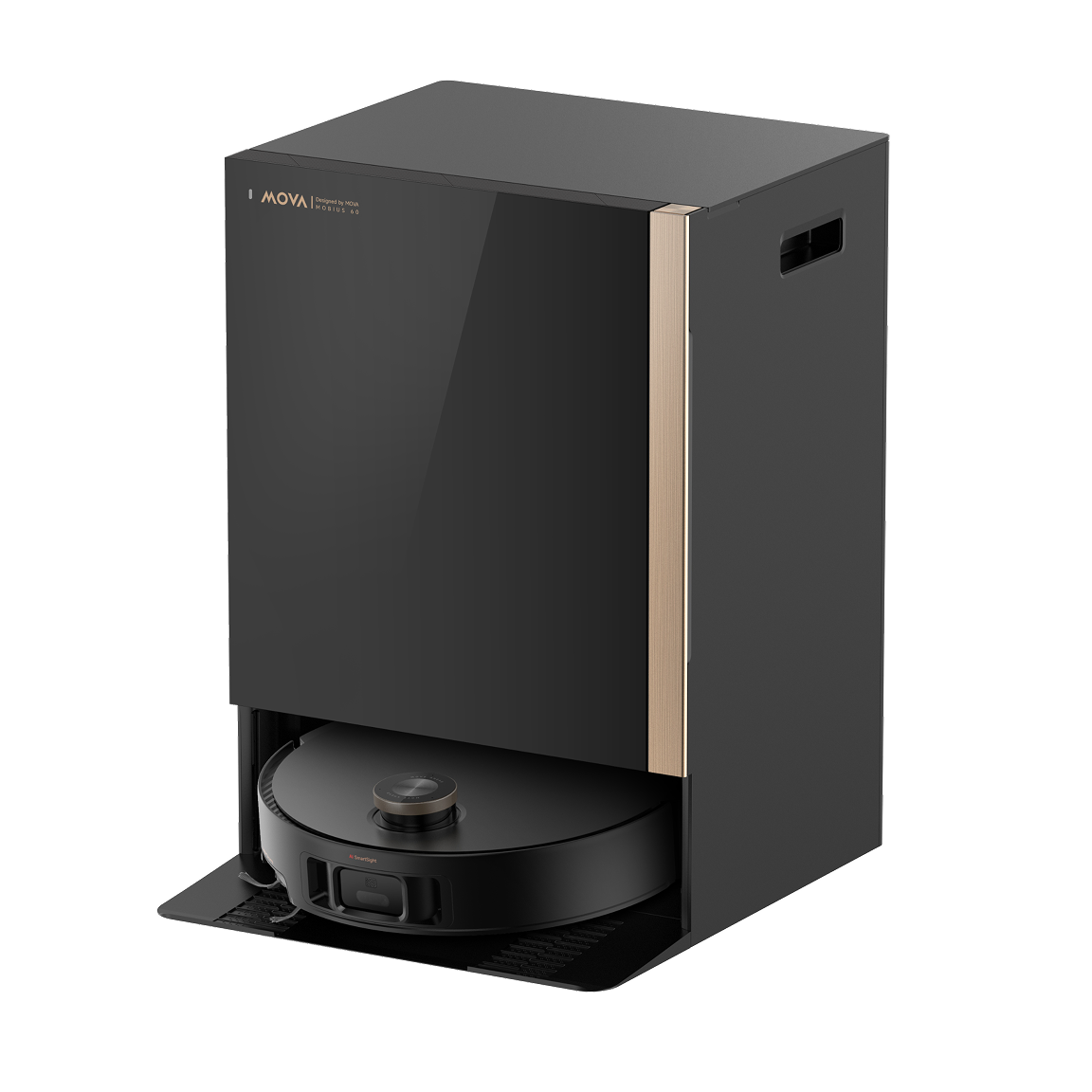
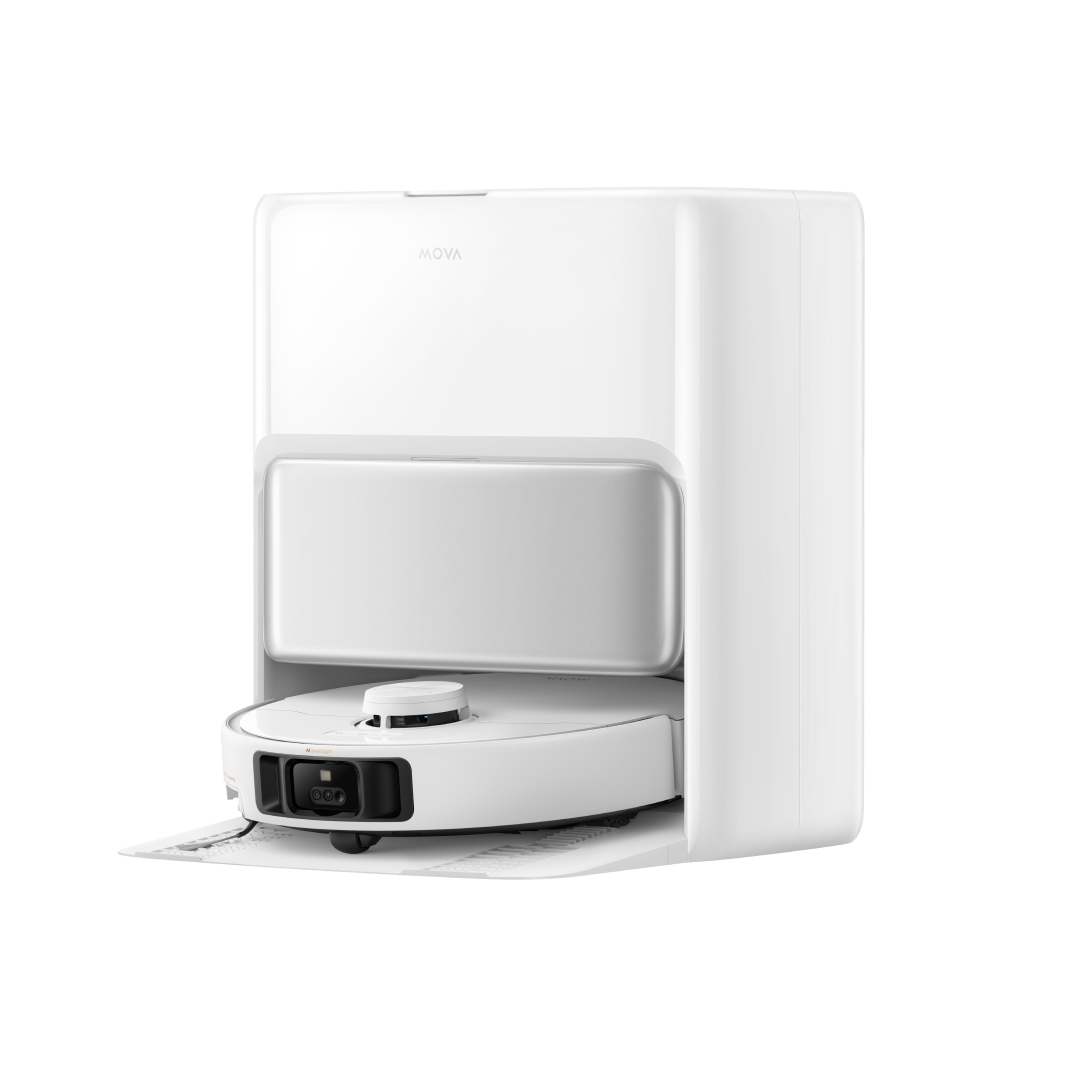
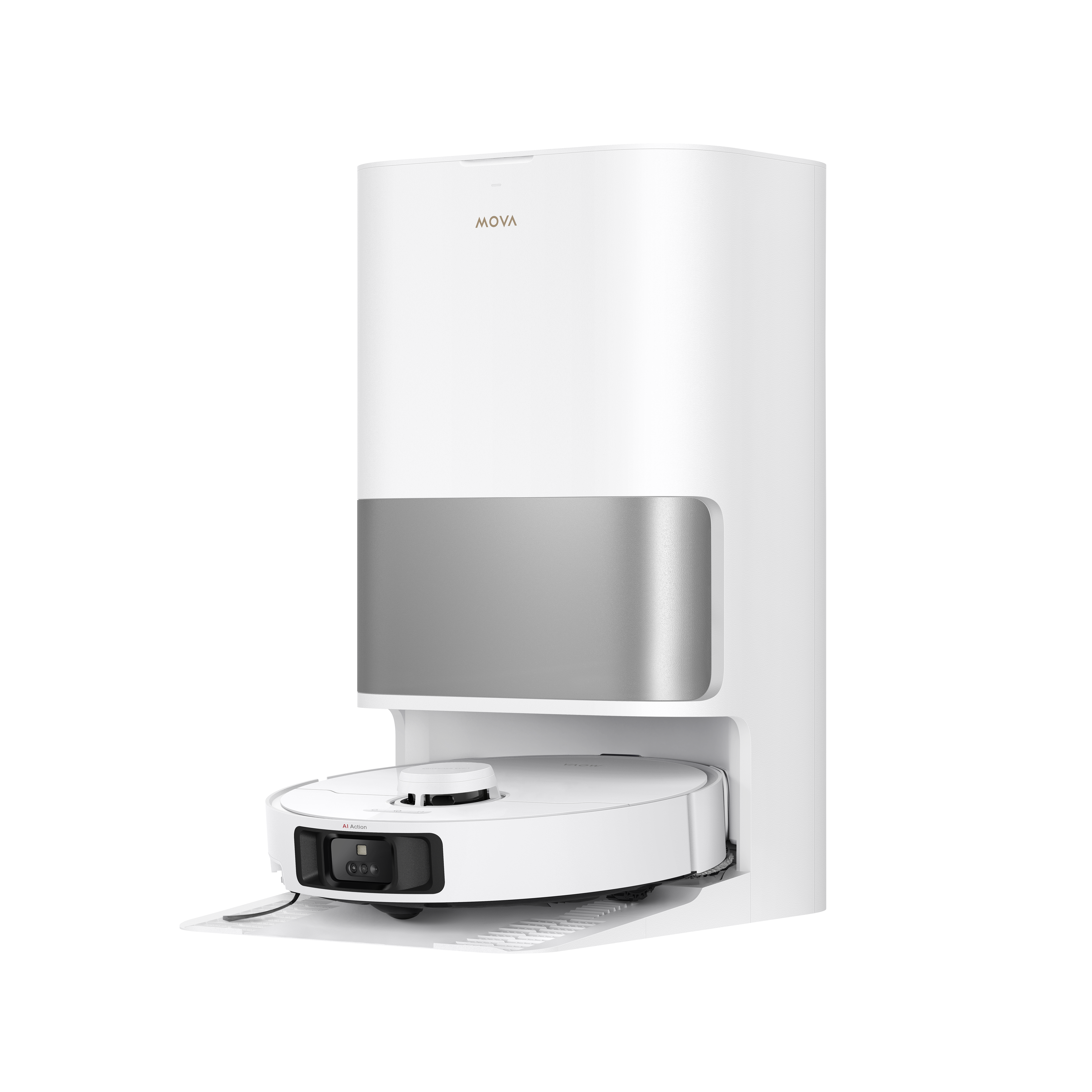
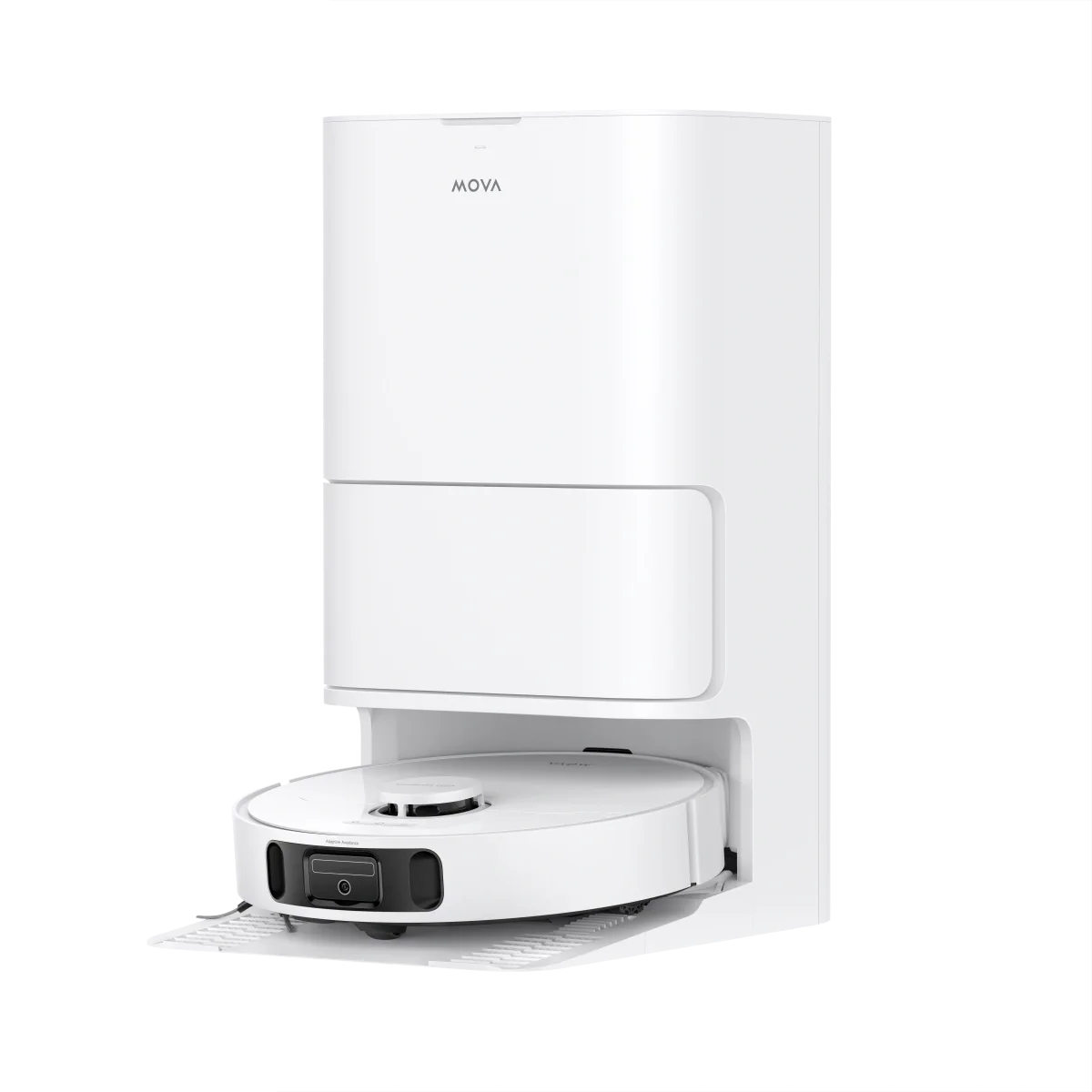
As someone who loves testing home tech, I completely outsourced my floor care to smarter automation. When it comes to stopping damp odors and mold buildup before they can take root, MOVA’s Z60 and V50 series have completely changed the game for my household. They don't just mindlessly brag about specs; they use practical, scenario-driven tech to solve real Canadian living pains.
The Everyday Shield: MOVA Z60 & V50 Series
During a typical winter in Toronto, Calgary, or Vancouver, your boots drag in piles of slush mixed with harsh road salt grit. Once that mixture gets trampled deep into your living room carpets and dries into those ugly "white rings," the trapped moisture and indoor heat inevitably turn into a musty, mold-prone mess. Or worse, when the spring thaw hits, your dog tracks in a sloppy mess of muddy paws right onto your hardwood.
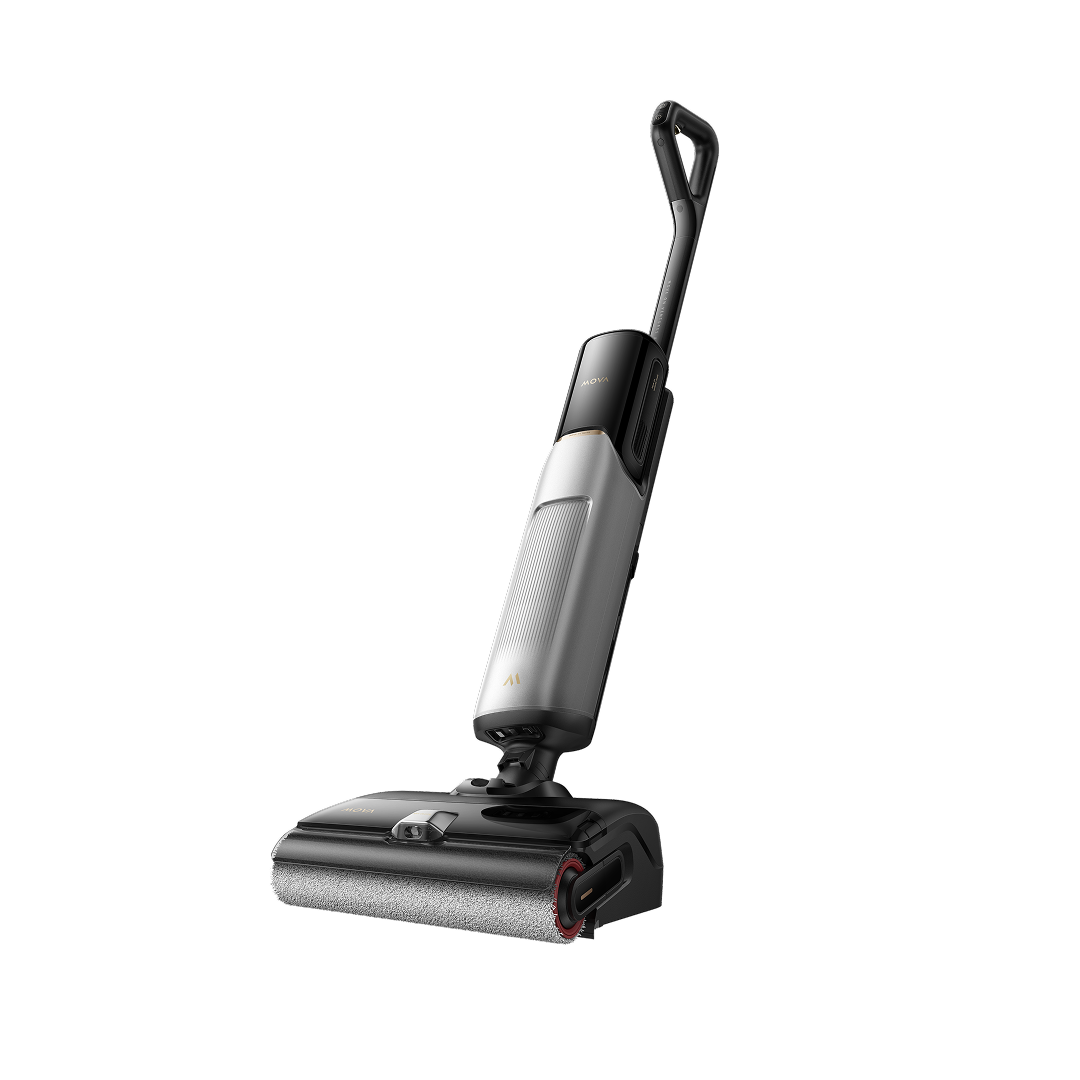
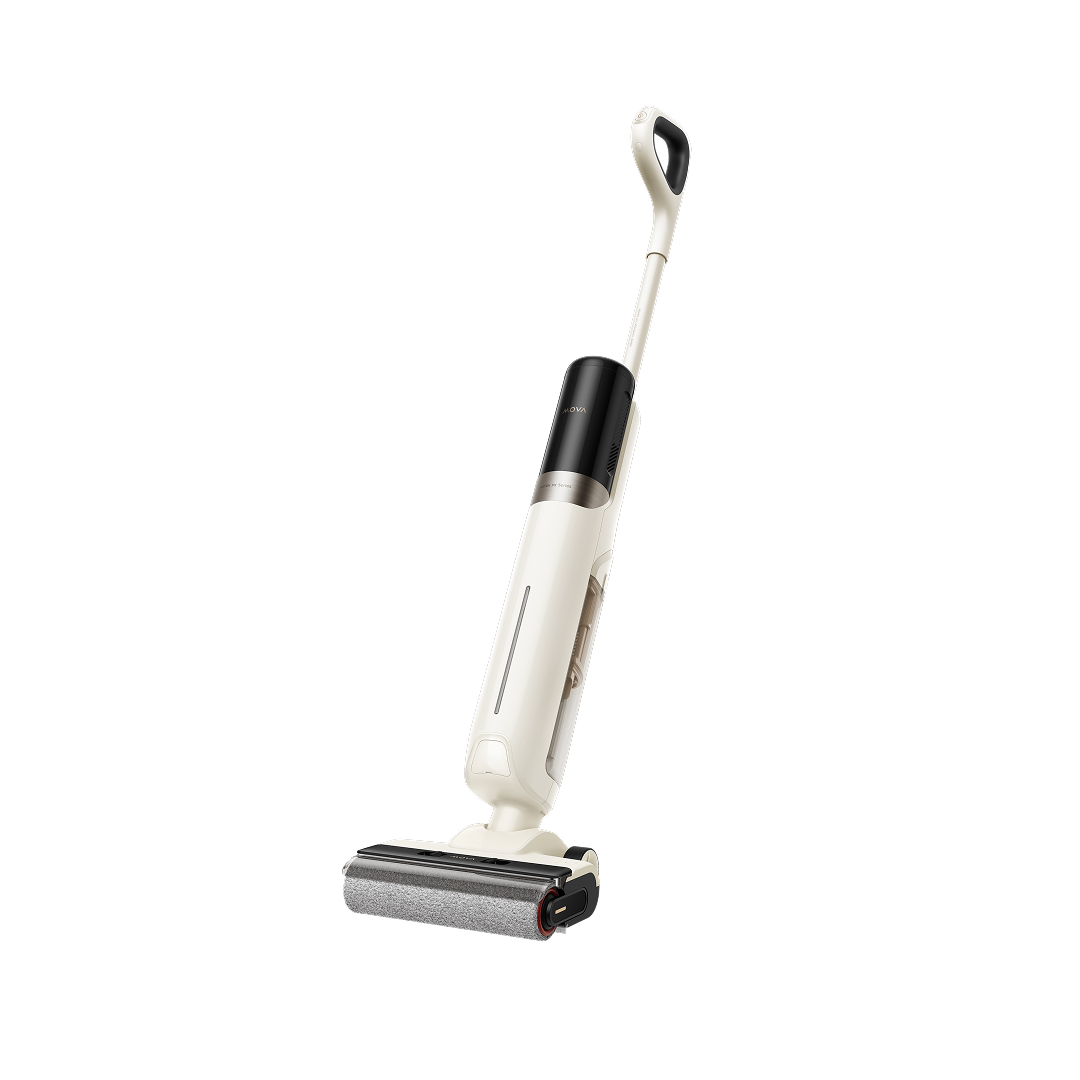
- MOVA Z60 Ultra: This machine is your defense against standing water. It combines high-efficiency suction with an advanced mopping system designed to leave your floors bone-dry right after cleaning. No lingering puddles, no damp film left behind to feed hidden mold colonies. It even features a clever carpet protection system that lifts the mop pad automatically, ensuring wet entryway grime never gets smeared across your rugs.
- MOVA V50 Ultra: This is a versatile powerhouse built for deep cleaning carpets—the ultimate hiding place for invisible mold spores. It pulls deeply embedded grit, pet dander, and organic debris right out of the dense carpet fibers, stripping mold of the exact "food" it needs to grow. Plus, with its rapid hot-air drying cycle at the base station, the mop pads themselves are blasted bone-dry in no time, meaning the machine never turns into a damp, smelly science project inside your home.
The Deep Clean Specialists: MOVA Gen2 & P50 PU
To truly safeguard your home, you also have to tackle the airborne threat. Mold spores are microscopic, light, and travel on everyday household dust. When you vacuum, a poor filtration system will just blast those spores right back into your breathing zone. That is where MOVA's heavy-duty lineup steps in.
- MOVA P10 Pro Ultra Gen2: Built for high-traffic areas like your front foyer and mudroom, this model ensures that heavy dust accumulations which act as vehicles for mold spores are filtered out effectively before they can settle into damp corners.
- MOVA P50 PU: Engineered for ultimate precision, the P50 PU features a sealed, professional-grade filtration system. It captures microscopic particles and traps them securely in the bin. This prevents the dangerous spread of mold spores during the vacuuming process, making sure that what goes into the vacuum stays inside the vacuum.
Dry Heat vs. Moist Heat: What’s Better?
When you look into using heat to get rid of mold, you quickly run into the debate of dry heat versus moist heat.
Steam cleaning, which uses moist heat, is incredibly popular for a reason. It does a fantastic job of blasting away surface mold clinging to non-porous bathroom tiles or grout. The problem? It introduces massive amounts of new moisture into the air and onto your floors. If you don't dry that area completely right after steaming, you are essentially giving the surviving mold spores a warm, tropical paradise to start growing all over again.
This is exactly where the MOVA Z60 mopping system changes the game. It balances the deep-cleaning power you need with smart, rapid-dry tech. It doesn't leave a wet film or puddles behind on your floors. Instead, it cleans effectively and ensures the surface dries almost instantly, cutting off the moisture loop before mold can take advantage of it.
Beyond Heat: A Holistic Approach to Mold Removal
Let's be honest: heat should only be one tool in your home care kit, not the entire solution. To truly keep your home safe during a damp spring or a tightly sealed winter, you need a complete, holistic strategy. Here is what works:
- Physical Removal: For hard, non-porous surfaces, skip the harsh industrial bleaches. Scrubbing the area with everyday white vinegar or hydrogen peroxide works wonders. It breaks down the mold without ruining your indoor air quality.
- Smart Filtration: When you vacuum up dust, you are also moving invisible mold spores. Standard vacuums just blow those spores right back into your living room. Using a high-grade vacuum like the MOVA P50 PU ensures those microscopic particles are trapped tightly inside the filtration system, stopping the spread in its tracks.
- Humidity Control: The golden rule of mold prevention is keeping your indoor humidity below 50%. Grab a cheap hygrometer for your basement or laundry room. If the numbers start creeping up, turn on a dehumidifier immediately to break the mold growth cycle.
Conclusion
At the end of the day, killing mold with heat is scientifically possible, but keeping a home completely mold-free takes a lot more than just cranking up the temperature. It requires consistent cleanliness and strict moisture management.
By bringing advanced, reliable tools like the MOVA Z60 and V50 into your regular cleaning routine, you stop chasing the symptoms and start tackling the root causes of mold: trapped moisture and organic debris. Let the smart tech handle the heavy lifting on your floors so you can stop scrubbing and actually enjoy your weekends.