

















There is something timeless about the warmth of wood floors. Whether framing a snowy backyard or grounding a sleek condo, hardwood is the ultimate statement of comfort in Canadian homes.
But keeping those planks looking like a design magazine can feel like a grueling second job. Daily life chips away at that pristine finish. Foot traffic leaves dull paths, kitchen spills harden into sticky residues, and sliding dining chairs threaten permanent scratches.
Worse yet, our demanding Canadian weather constantly tracks the elements inside. In winter, boots bring in coarse road salt grit that dries into stubborn, white, finish-stripping rings right by the entryway. Come spring thaws, pets rush inside with muddy paws, turning beautiful wood into a chaotic canvas of stains. To top it all off, during those long months when our windows stay firmly shut against the cold, traditional floor cleaners release harsh chemical fumes into our sealed indoor air.
If you have ever stared down a streaky hallway wondering where you went wrong, this guide is for you. We are laying down a practical roadmap for wood floor care, from quick manual fixes to the seamless integration of automated maintenance. Let's protect your investment and keep your floors shining all year round.
Know Your Wood Floor Type (Crucial First Step)
Before you grab a bucket or flip a power switch, you must understand exactly what is under your feet. Treat wood floor cleaning as a one-size-fits-all chore, and you risk ruining the seal, warping the core, or dulling the finish beyond repair.
- Solid Hardwood: This is the authentic stuff—planks made from single, solid pieces of timber like oak, maple, or walnut. Solid hardwood is highly prized but incredibly sensitive to environmental changes. Standing moisture is its absolute worst enemy; excess water seeps straight into the seams, causing the wood to cup, buckle, or swell. Cleaning solid hardwood requires a very strict dry or highly wrung, slightly damp approach.
- Engineered Hardwood: Engineered floors feature a real wood veneer bonded over stable, layered plywood structural bases. Thanks to this cross-grain architecture, it manages fluctuating indoor humidity much better than solid planks. However, that top veneer layer is often thin. It still demands caution, as over-saturating the floor can degrade the internal adhesives or waterlog the core layers.
- Bamboo Floors: Technically a grass rather than wood, bamboo is famous for being incredibly tough and eco-friendly. While its dense structure offers decent natural resilience, its surface finish is surprisingly susceptible to harsh chemical interactions. Acidic or abrasive cleaners can easily corrode its protective coating, leaving behind irreversible dullness and micro-abrasions.
- Parquet Floors: Parquet consists of short wood slats arranged into intricate, geometric mosaic patterns (like herringbone or chevrons). Because the planks run in multiple alternating directions, dirt, pet dander, and grit love to hide deep inside the countless intersecting seams. Parquet requires precision cleaning tools that lift debris completely out of crevices without dragging abrasive particles across the delicate wood grain.
Essential Cleaning Supplies Checklist
Achieving flawless floors comes down to matching the right tool to the right task. Here is the ultimate checklist for a safe, effective wood-care arsenal:
- Dry Tools: Skip coarse plastic brooms, which can act like sandpaper on a delicate clear coat. Instead, rely on soft-bristle brooms or premium microfiber dust mops. Microfiber utilizes static electricity to trap fine dust, road salt crystals, and pet hair instead of just pushing them around into room corners.
- Wet Tools: Ditch old-school cotton string mops that dump puddles of dirty water onto your wood. Invest in specialized microfiber spray mops that distribute controlled, targeted moisture. Pair them with dedicated pH-neutral wood cleaners. Absolute zero-tolerance rule: avoid vinegar, ammonia, or bleach. Acidic vinegar breaks down the chemical bonds of polyurethane finishes over time, while harsh bleach permanently discolors the wood.
- Smart Tools: For busy families or pet owners, manual care simply isn't enough to keep up with daily tracking. That is where smart tools come in—high-suction robot vacuums engineered with specialized wood-care features.
The Best Way to Clean: Manual vs. Tech-Savvy
When it comes to maintaining the flawless finish of your wood floors, you have two distinct paths: traditional elbow grease or intelligent automation. Let's break down how they stack up in the real world.
The Manual Method: A Tedious Four-Step Dance
Manual cleaning is a classic fallback, but it requires absolute discipline to avoid accidentally destroying your floor's clear coat.
- Sweep: Grab a soft microfiber dust mop or soft-bristle broom to clear away loose grit, hair, and dust. Never use a vacuum with a spinning, stiff-bristled beater bar, as it can scratch the surface finish.
- Dilute Solution: Mix a conservative amount of specialized, pH-neutral wood floor cleaner into a bucket of lukewarm water. Refrain from dumping random household chemicals or dish soaps into the mix.
- Wring the Mop: This is where things usually go wrong. Dunk your mop and wring it out repeatedly until it is barely damp to the touch. If the mop is dripping, it is too wet.
- Air Dry: Mop systematically with the grain of the wood, and let the room air dry completely. Ensure nobody walks on the damp wood to prevent watermarks or slippery tracks.
The "Hands-Free" MOVA Way
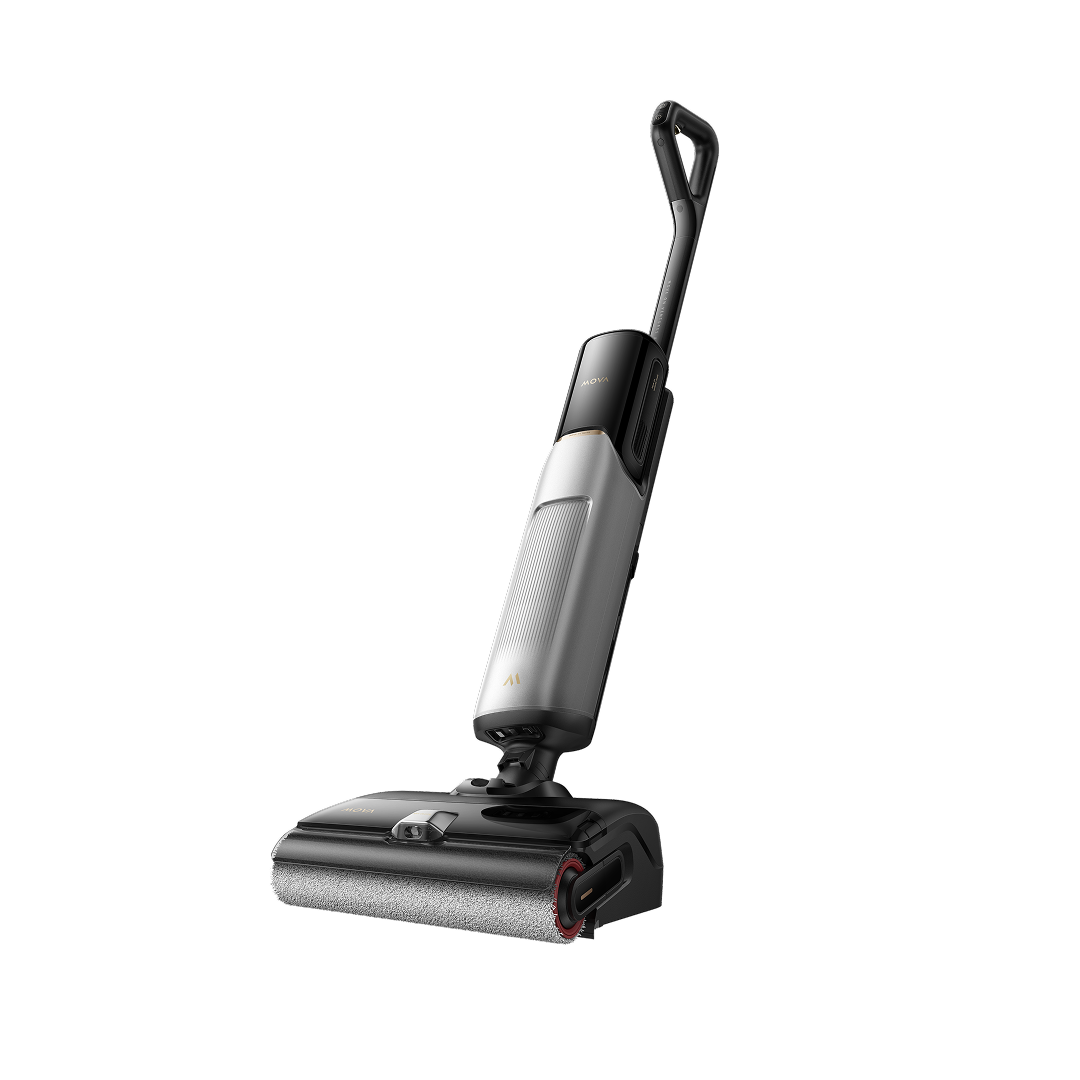
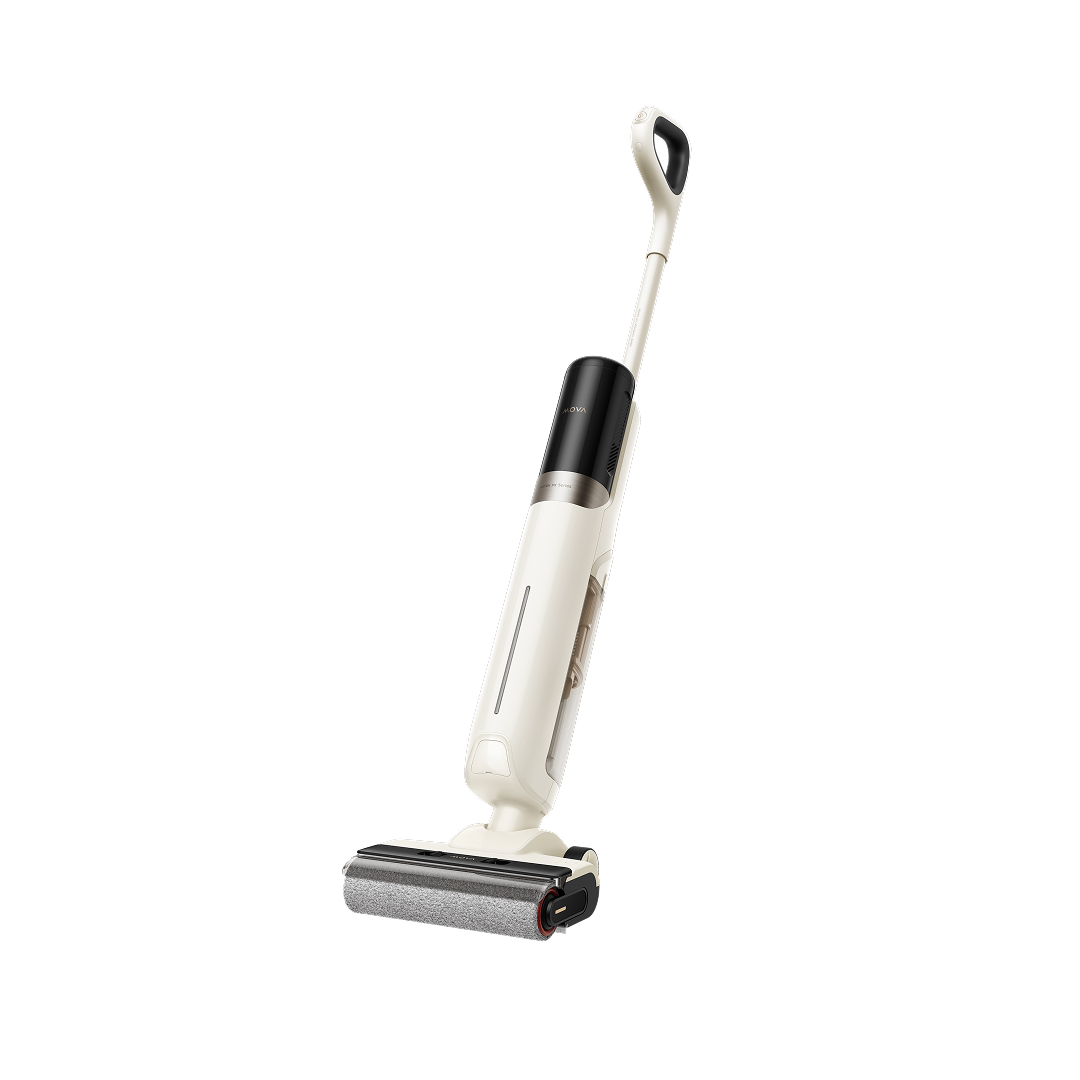
If the four-step manual grind sounds exhausting, switching to automated smart care is a game-changer. MOVA's specialized residential ecosystem offers customized solutions for every home layout and seasonal mess.
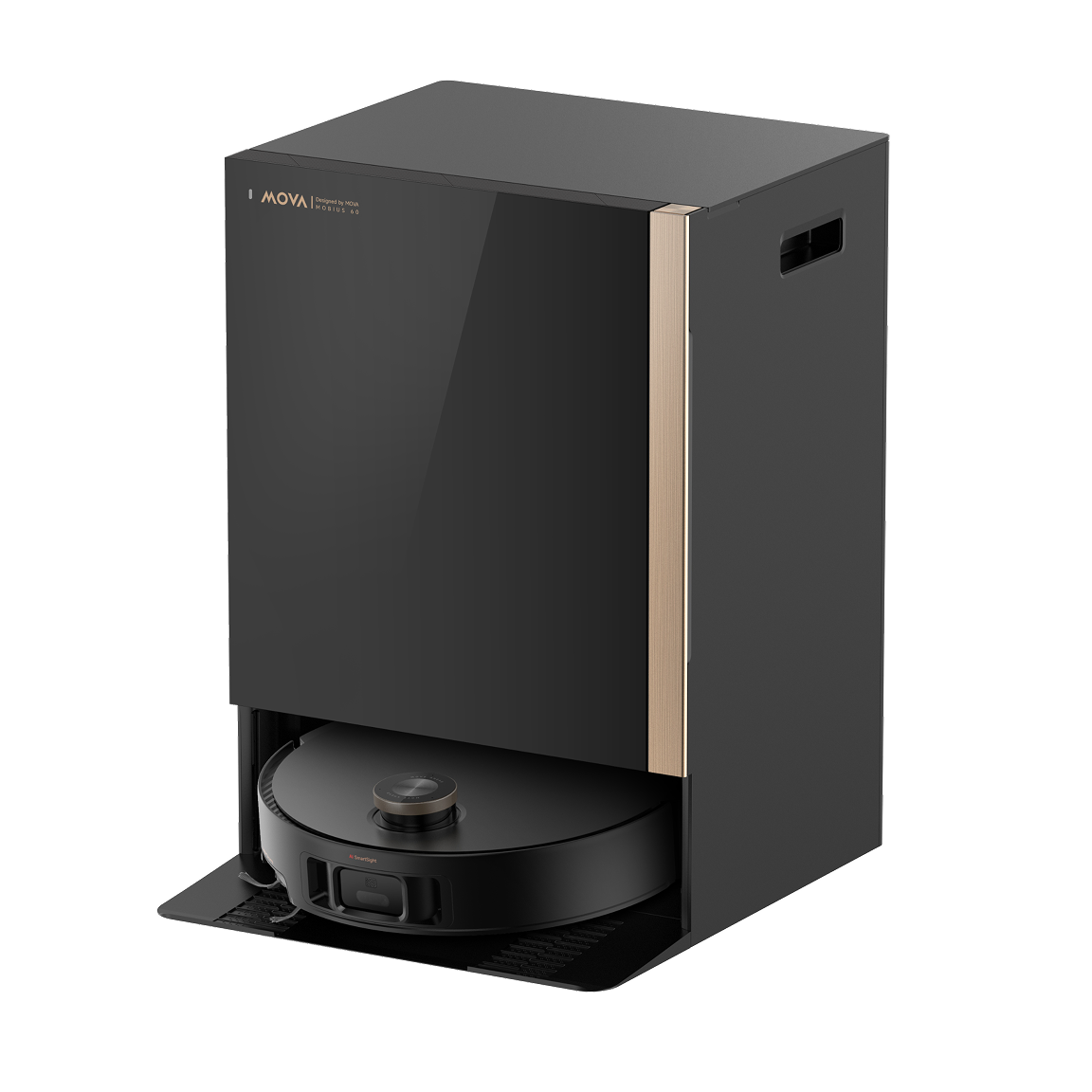
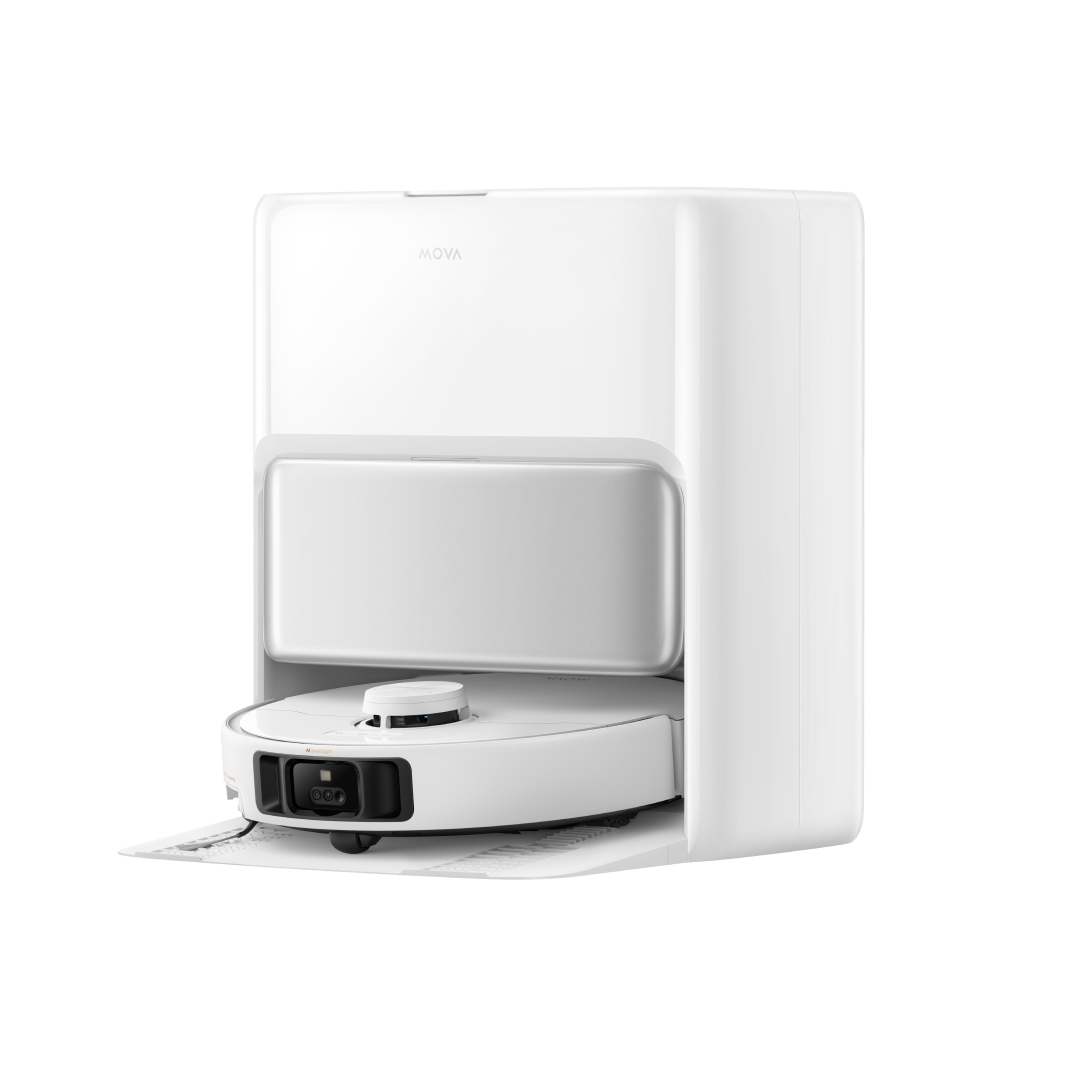
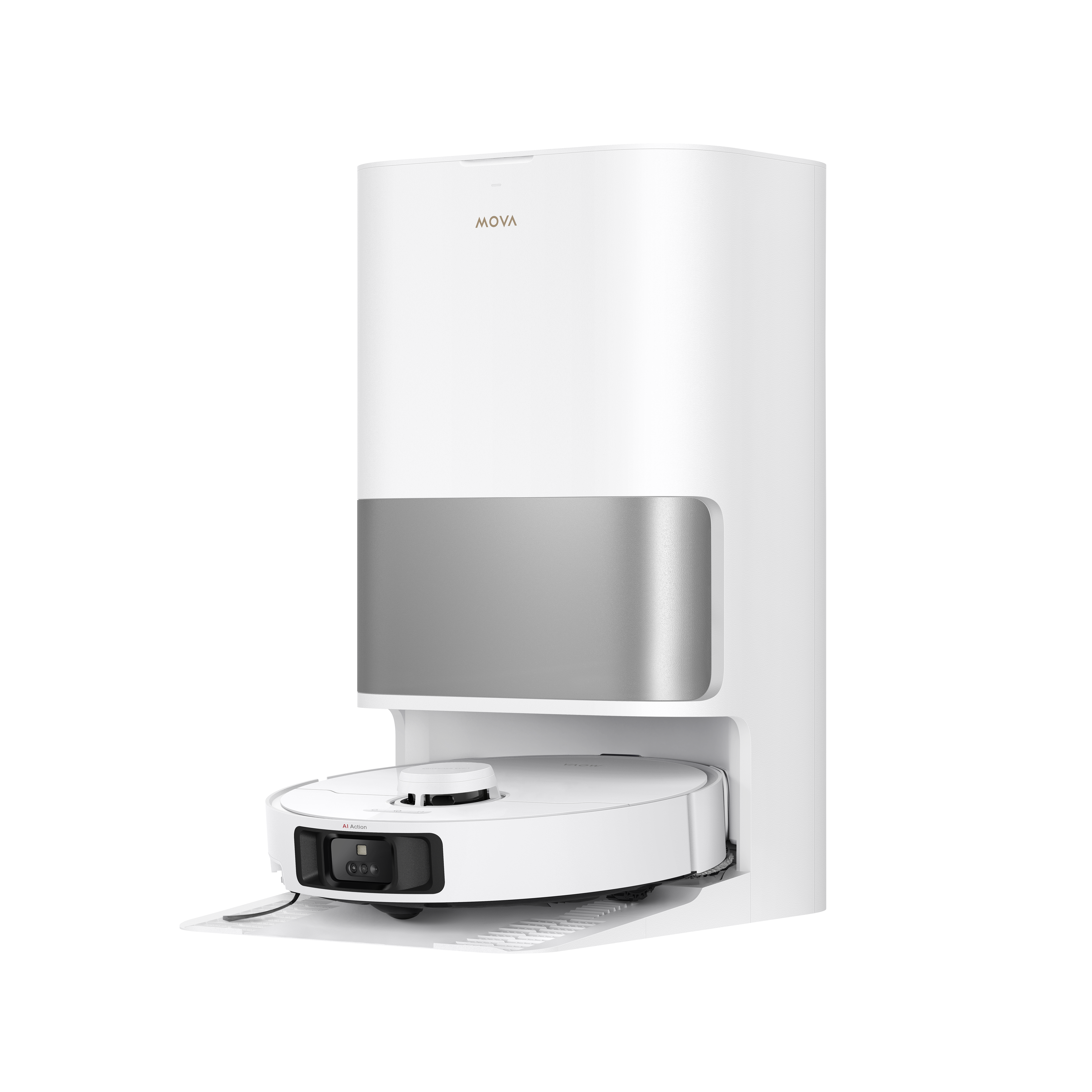
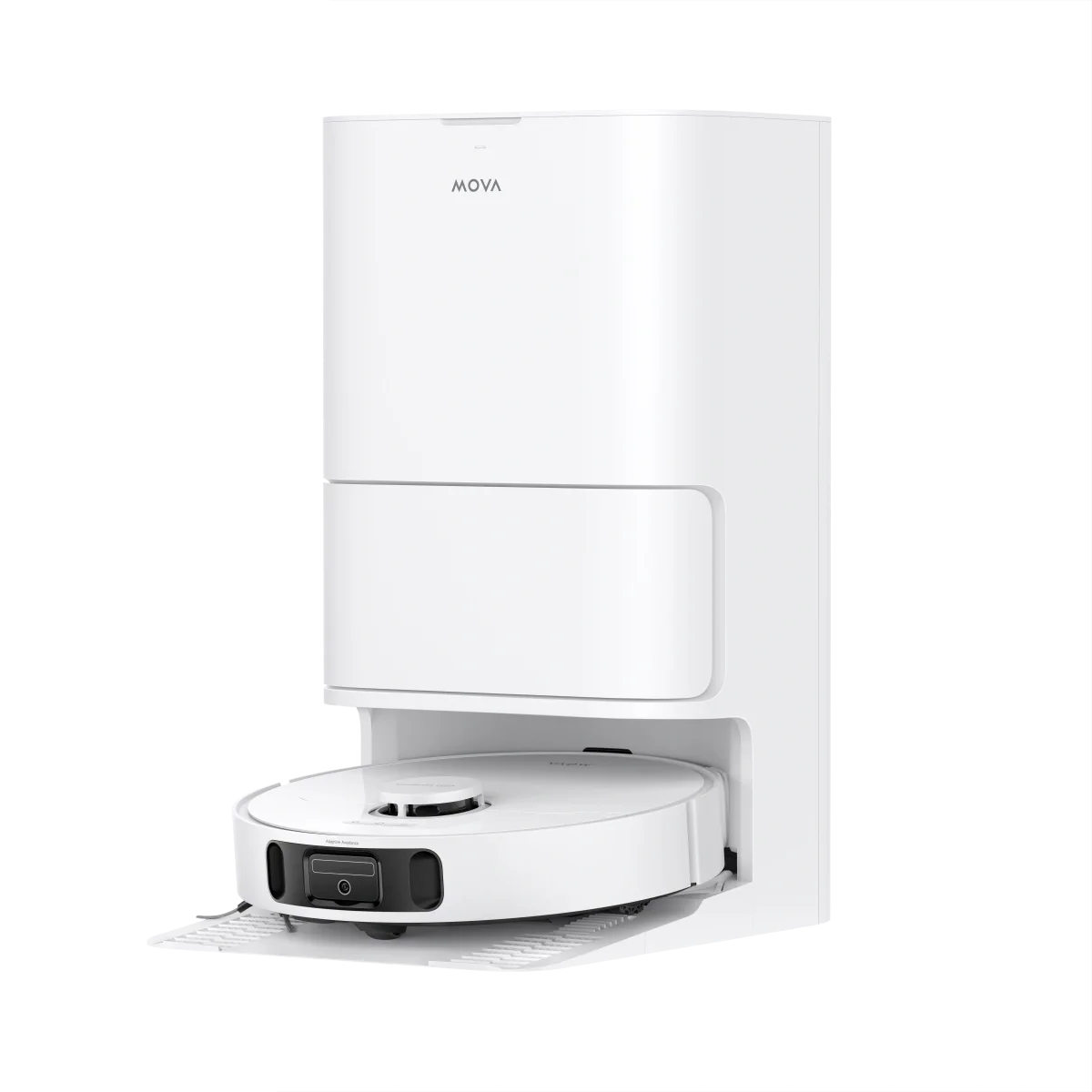
- Routine Care (MOVA Z60 Ultra): Daily maintenance is all about removing sharp particles before foot traffic grinds them into your floorboards. The MOVA Z60 Ultra tackles this seamlessly. Instead of relying on aggressive scrubbing that can wear down your wood's polyurethane seal, it deploys a massive 28,000Pa suction power. This extreme airflow pulls microscopic grit, pet dander, and dried salt particles directly out of the deep seams and floorboard gaps without any abrasive surface wear.
- Deep Mopping (MOVA V50 Ultra): For muddy paw prints and dried-on spills, the MOVA V50 Ultra offers a safer alternative to a heavy bucket. It features a specialized 12-nozzle fresh spray system coupled with a dual-tank assembly that continuously controls moisture delivery. By laying down just the right amount of targeted, fresh water mist and vacuuming it up instantly, it entirely eliminates the risk of water pooling or soaking into the wood core. Once done, its fully automated self-cleaning station handles pad emptying, washing, and drying on its own, saving you from handling dirty mop pads altogether.
- Advanced Precision (MOVA P10 Pro Ultra Gen2): If your home features an expansive, open-concept floor plan, navigating around dining sets and heavy accents requires serious spatial awareness. The MOVA Gen2 family utilizes intelligent AI path planning and multi-map management to chart your layout with centimeter-level precision. Instead of blindly bumping into heavy furniture—which can drag chairs across the floor and cause deep, gouging scratches—it glides flawlessly around obstacles, providing a safe, edge-to-edge clean.
- Pet-Centric Cleaning (MOVA P50 PU): Furry companions bring immense joy, but they also bring an endless supply of loose fur, dander, and tracked-in yard debris. The pet-focused MOVA P50 PU is engineered explicitly to lift fine pet hair and outdoor sand before they can get trapped underfoot. By proactively clearing away these micro-abrasive materials, it prevents the everyday friction that causes permanent micro-scratches on delicate wood surfaces.
Create Your Personalized Cleaning Routine
The best cleaning routine is the one you can realistically maintain.
Not the unrealistic Pinterest version where someone deep-cleans their floors every evening at 9 PM.
For most Canadian homes, a practical schedule works much better.
Daily Maintenance
Keep it simple.
A quick 5-minute dust mop near entrances and kitchens already prevents a huge amount of long-term wear.
Or better yet, schedule an automatic run with the MOVA Z60 while you’re working, cooking dinner, or out grabbing groceries.
Daily debris removal is what prevents scratches from building up over time.
Weekly Cleaning
Once a week, do a slightly deeper clean.
This is when you:
- Damp mop sticky spots
- Clean around dining areas
- Remove pet dander buildup
- Handle kitchen residue
- Freshen high-traffic paths
The key is moisture control.
Wood floors should never stay wet after cleaning.
Monthly Maintenance
Every month, take a closer look at high-use areas.
Especially:
- Front entrances
- Hallways
- Under dining chairs
- Around kitchen islands
Check for:
- Dull spots
- Minor scratches
- Residue buildup
- Furniture scuffing
This is also a good time to clean underneath rugs and furniture where dust quietly collects all winter.
Seasonal Priorities
Canadian weather changes everything.
Winter
Focus heavily on:
- Salt removal
- Snowmelt cleanup
- Entryway maintenance
- Moisture control
Road salt is brutal on wood finishes if ignored for weeks.
Spring
This is usually pollen season.
Dust, allergens, pet shedding, and muddy paw prints all spike at once during thaw season.
Frequent vacuuming matters a lot more during this time of year.
Things to Avoid: Protect Your Investment
To ensure your premium wood floors last for decades, establish a strict "zero-tolerance" policy against these common flooring hazards.
- Excess Water: Wood is highly porous. Never leave puddles of water on your floorboards, and avoid traditional string mops that over-saturate seams. Excess moisture causes the wood layers to swell, warp, cup, or buckle, frequently requiring complete floor replacement.
- Harsh Chemicals: Step away from the vinegar, ammonia, or grocery-store bleach. While vinegar is often praised as a natural cleaner, its high acidity slowly breaks down the chemical bonds of a polyurethane finish over time, leaving your floors permanently dull and exposed. Ammonia and bleach are even worse, as they can cause chemical burns and irreversibly discolor the wood fibers.
- Steam Cleaners: Despite what some product labels claim, never use a steam mop on hardwood or engineered floors. The extreme heat combined with high pressure forces water vapor deep inside the wood grain and between laminated layers. This breaks down core glues, strips away surface seals, and results in rapid warping and peeling finish coats.
- Physical Damage: Everyday wear can easily cause permanent disfigurement. Always apply thick felt furniture pads under the legs of tables, couches, and chairs. Keep your pets' nails neatly trimmed to prevent claw gouges. By allowing a dedicated smart vacuum like the MOVA P50 PU to continuously sweep up tracking sand and sharp grit, you ensure these abrasive particles are never stepped on and dragged across your beautiful finish, preserving your investment for a lifetime.
Conclusion
When it comes to wood flooring, consistency isn't just a habit—it's the ultimate shield for long-lasting beauty. Leaving grit or moisture to settle is what turns a pristine hardwood surface into a dull, scratched floor. Taking a few proactive steps today saves you from the heartbreak of costly refinishing down the road.
Ready to stop scrubbing and start living? Explore the full MOVA collection to find the perfect automated partner for your wood floors. Every order comes with an industry-leading 3-year warranty and free shipping across Canada, giving you total peace of mind.
FAQ
Q: Why is daily dusting more important for wood than carpet?
A: Carpet can hide loose dirt and sand deep within its fibers, but on hard wood, those loose particles sit right on top of the smooth finish. Every time someone walks across the room, their socks or shoes grind that sharp grit directly into the protective clear coat, acting like sandpaper. Daily dusting removes these micro-abrasives before they can cause permanent scuffs.
Q: Can I use homemade vinegar solutions?
A: It is best to avoid them entirely on finished wood. Vinegar is highly acidic, and while it might look clean at first, that acid slowly eats away at the polyurethane sealant with every single wash. Over time, it chemically dulls the shine, leaving the raw wood underneath vulnerable to water stains and deep rot. Stick to pH-neutral cleaners specifically formulated for wood.
Q: How do MOVA robots avoid over-wetting my floors?
A: MOVA smart vacuums are engineered with precision floor-care logic. Instead of soaking the surface, advanced models use tightly controlled water delivery paths that disperse a fine, even mist across the mopping assembly. This moisture is immediately scrubbed and dried as the vacuum moves, preventing water from pooling in your floorboard gaps or soaking the wood core.