

















How to Clean Carpet at Home: A Step-by-Step Guide
Dirt, pet hair and the odd coffee spill can make carpet look worn long before it needs replacing. Knowing how to clean carpet starts with matching the method to the fibres and the mess. Regular vacuuming tackles loose grit, but stains and ground-in dirt need more attention. This guide covers preparation, spot treatment, deeper cleaning with or without a machine, and proper drying, followed by practical ways to keep carpets cleaner between washes.
Key Takeaways
- Check the carpet material and care instructions before using a wet-cleaning product.
- Vacuum dry grit first, then treat spills with a cleaner suited to the stain and fibres.
- Use a carpet extractor for widespread embedded dirt; hand cleaning suits lighter soil in small areas.
- Remove leftover cleaning solution and help the carpet dry as quickly as possible.
- Vacuum busy areas regularly and schedule deeper cleaning as the carpet needs it.
Before You Clean Your Carpet
Start with the carpet manufacturer’s care instructions. Many synthetic carpets tolerate occasional wet extraction, but wool, delicate rugs and certain backings may need a different approach. If you are unsure about the material, check the carpet’s care information before trying a wet-cleaning product.
Choose a time when you can keep people and pets off the carpet until it dries. Move smaller furniture, pick up cords and toys, and make sure you have enough airflow. In basement rooms or other spaces that hold moisture, set up a fan or dehumidifier before you start.
Gather the supplies that suit your cleaning method:
- A vacuum cleaner with a suitable carpet setting and crevice attachment.
- Clean white cloths, dry towels and a carpet-safe stain remover.
- A carpet extractor and compatible cleaning solution for whole-room cleaning.
- A fan or dehumidifier to help with drying afterward.
Test any new cleaner on an inconspicuous patch and let it dry before checking for colour changes or texture damage. Avoid bleach and improvised chemical mixtures unless the carpet care instructions specifically permit them.
How to Clean Carpet Step by Step
Work from dry debris to stains, then choose a deeper cleaning method only if the carpet needs one. Follow the care instructions whenever they differ from general cleaning advice.
Step 1: Vacuum the Carpet Thoroughly
Make slow, overlapping passes and change direction along high-traffic paths to loosen grit trapped in the pile. Give entryways and the areas near sofas a little more attention. A crevice attachment reaches dirt along baseboards and furniture edges.
Empty the dust container or change the bag when needed. Check the brush roll for tangled pet hair before you begin. If it struggles to turn, clear any hair wrapped around the vacuum brush. Use the appropriate suction and brush setting on delicate or longer-pile rugs.
Step 2: Spot Clean Carpet Stains
Before deciding how to clean carpet stains, identify the spill and check what the fibres can tolerate. Coffee and wine call for prompt blotting, while grease and pet accidents often need more specialised products. For less familiar stains, the Carpet and Rug Institute's Spot Solver offers stain-specific treatment steps. Apply a suitable cleaner according to its instructions, and remove any residue with a lightly damp cloth if the carpet allows it.
|
STAIN |
FIRST RESPONSE |
FOLLOW-UP TREATMENT |
|
Dried mud |
Let the clumps dry, then vacuum loose soil. |
Treat remaining marks with a suitable carpet stain remover. |
|
Road salt |
Vacuum up dry salt and grit. |
Blot residue with a lightly damp cloth if the carpet allows it; do not soak the backing. |
|
Coffee, tea or wine |
Blot the liquid as soon as possible. |
Use a stain-specific carpet cleaner and lift away its residue. |
|
Grease or oil |
Lift excess grease carefully. |
Choose a carpet-safe cleaner suitable for oily stains. |
|
Pet urine |
Absorb liquid with clean white towels. |
Use a compatible pet-stain treatment and check whether liquid reached the underpad. |
|
Vomit |
Wear gloves, remove solids and blot. |
Follow the directions on a carpet-safe cleaner suitable for biological stains. |
Step 3: Choose the Right Carpet Cleaning Method
If traffic lanes look dull after vacuuming, you may need to remove soil from a wider area. A carpet extractor suits larger, more heavily soiled sections. Hand cleaning works best for smaller patches with light surface dirt.
With a Carpet Cleaning Machine
Instructions on how to steam clean carpets vary by machine, but most home and rental carpet cleaners use hot-water extraction. These machines apply water and a compatible cleaning solution, then draw dirty liquid out of the fibres. Check the carpet care instructions and the machine manual before starting.
- Fill the tank with the water temperature and amount of cleaner the machine specifies.
- Move in slow, slightly overlapping passes and avoid repeatedly wetting the same area.
- Make additional suction-only passes when the manual permits them, then empty the recovery tank as directed.
Extra detergent can leave residue that attracts more dirt, and excess water makes drying harder. When choosing a rental machine, carpet extractor performance testing can help you compare equipment. For extensive staining or delicate fibres, professional cleaning may be the safer choice.
Without a Carpet Cleaning Machine
Cleaning carpet without a machine works best for small, lightly soiled areas, such as a patch beside the sofa or part of a busy walkway. Check the carpet's care instructions before using moisture, then follow these steps:
- Vacuum the section slowly to remove loose dust and grit.
- Apply a small amount of carpet-safe, low-moisture cleaner to a clean cloth or soft brush, following the product directions. Clean a small section at a time.
- Remove remaining cleaner as directed. If the product calls for a damp cloth, use only enough water to lift the residue.
- Press dry towels against the carpet, then direct a fan across the area. Vacuum again after drying if the product instructions recommend it.
For deeply embedded dirt across an entire room, a rental extractor or professional service can remove more soil than careful hand cleaning.
Step 4: Dry the Carpet Thoroughly
Remove as much moisture as possible during cleaning, then run fans across the carpet. A dehumidifier can help in humid rooms or cool basements. Open windows when outdoor air will aid drying, and keep people, pets and furniture off the carpet until it dries.
With effective water extraction and good airflow, many carpets dry within the same day. Thick pile, excess water and poor ventilation can extend the drying time. The surface may feel dry even when the backing or underpad holds moisture, so check the carpet carefully. If it remains noticeably damp the following day or develops a musty smell, investigate the problem and consider professional help. Persistent indoor moisture can encourage mould growth.
Step 5: Vacuum Again and Check for Remaining Stains
Once the carpet dries completely, give it another light vacuum to pick up loose particles. Check the traffic lanes and previously stained spots for any residue or marks that have returned. A recurring stain may signal soil or moisture deeper in the pile or underpad, so avoid soaking the area again.
Pay attention to lingering pet odours or a musty smell. They may point to contamination or trapped moisture beneath the surface. If the problem persists, ask a professional cleaner to assess the affected area.
Tips to Keep Your Carpet Cleaner Between Deep Cleans
Carpet care gets easier when less dirt reaches the fibres in the first place. A few regular habits also make the next thorough clean less demanding.
Keep Outdoor Dirt at the Entrance
Place a sturdy mat outside the door and a washable one just inside. Wet shoes can carry grit, slush and road salt onto carpet, especially during colder months. Give footwear a place to dry near the entrance, and wash or shake out the mats regularly so they keep trapping dirt.
Vacuum High-Traffic Areas More Often
Hallways, living rooms and pet areas usually collect more dust and hair than quieter rooms. Adjust your vacuuming routine to match how often people use each space. For homes with both carpet and hard flooring, robot vacuums with carpet detection can help maintain busy areas between deeper cleans.
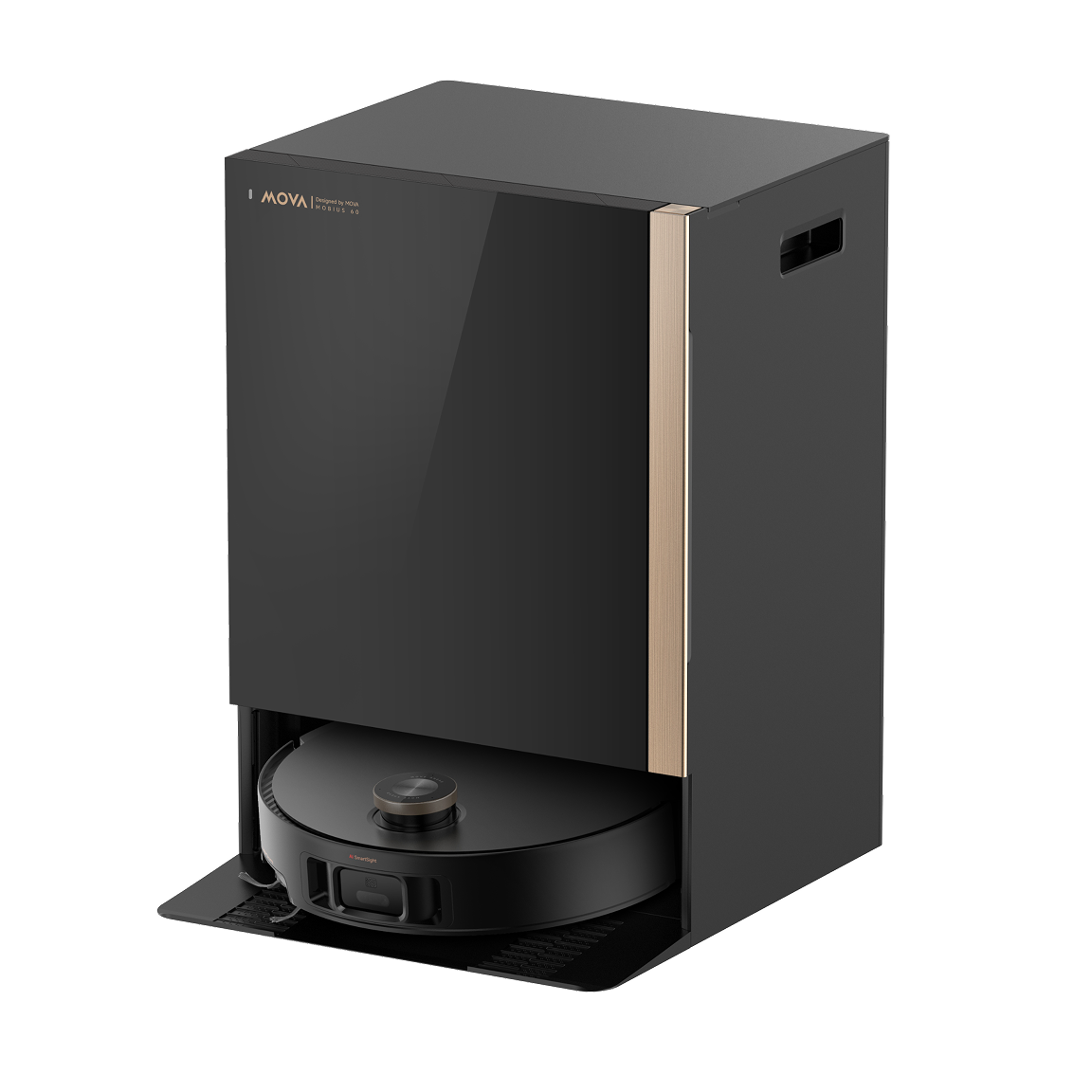
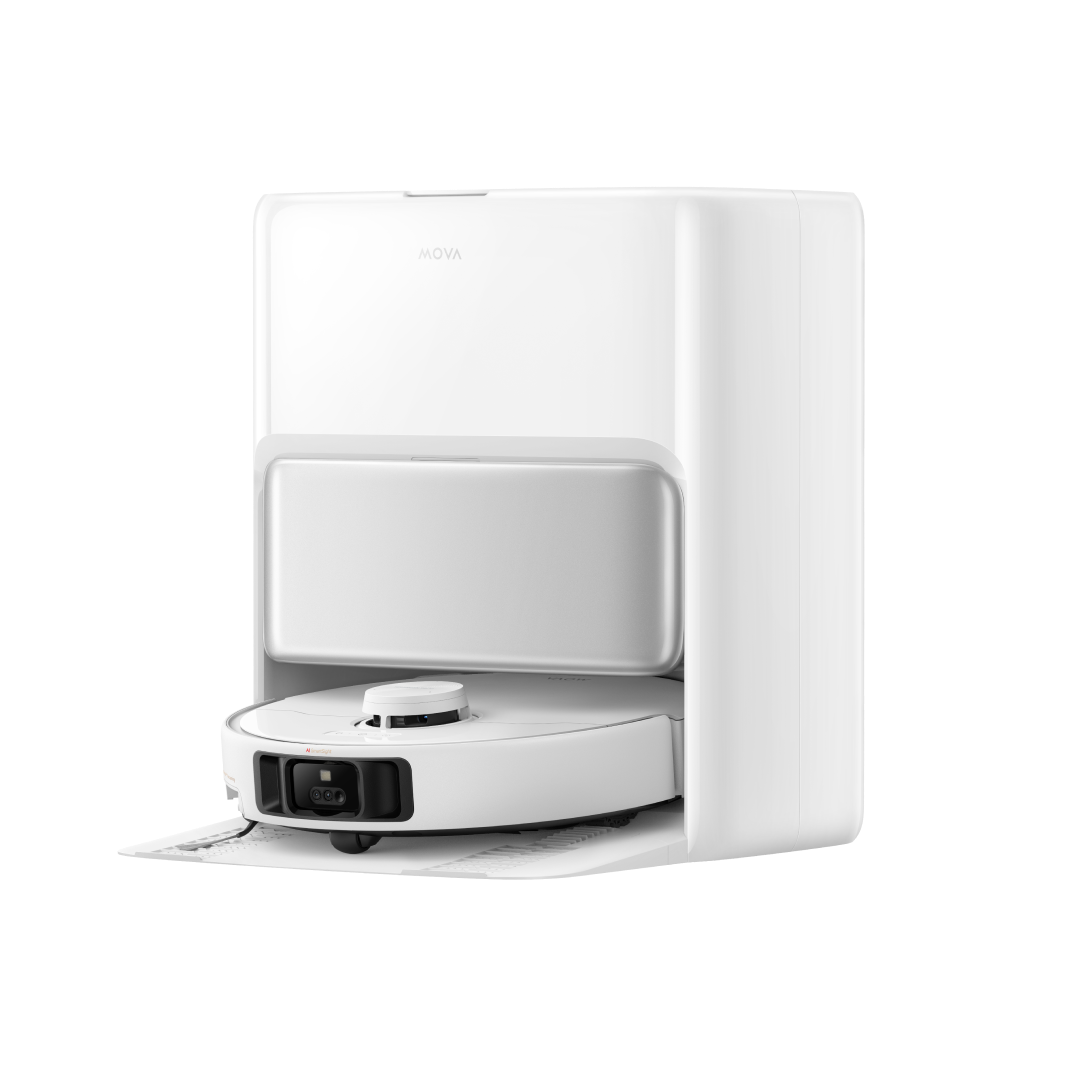
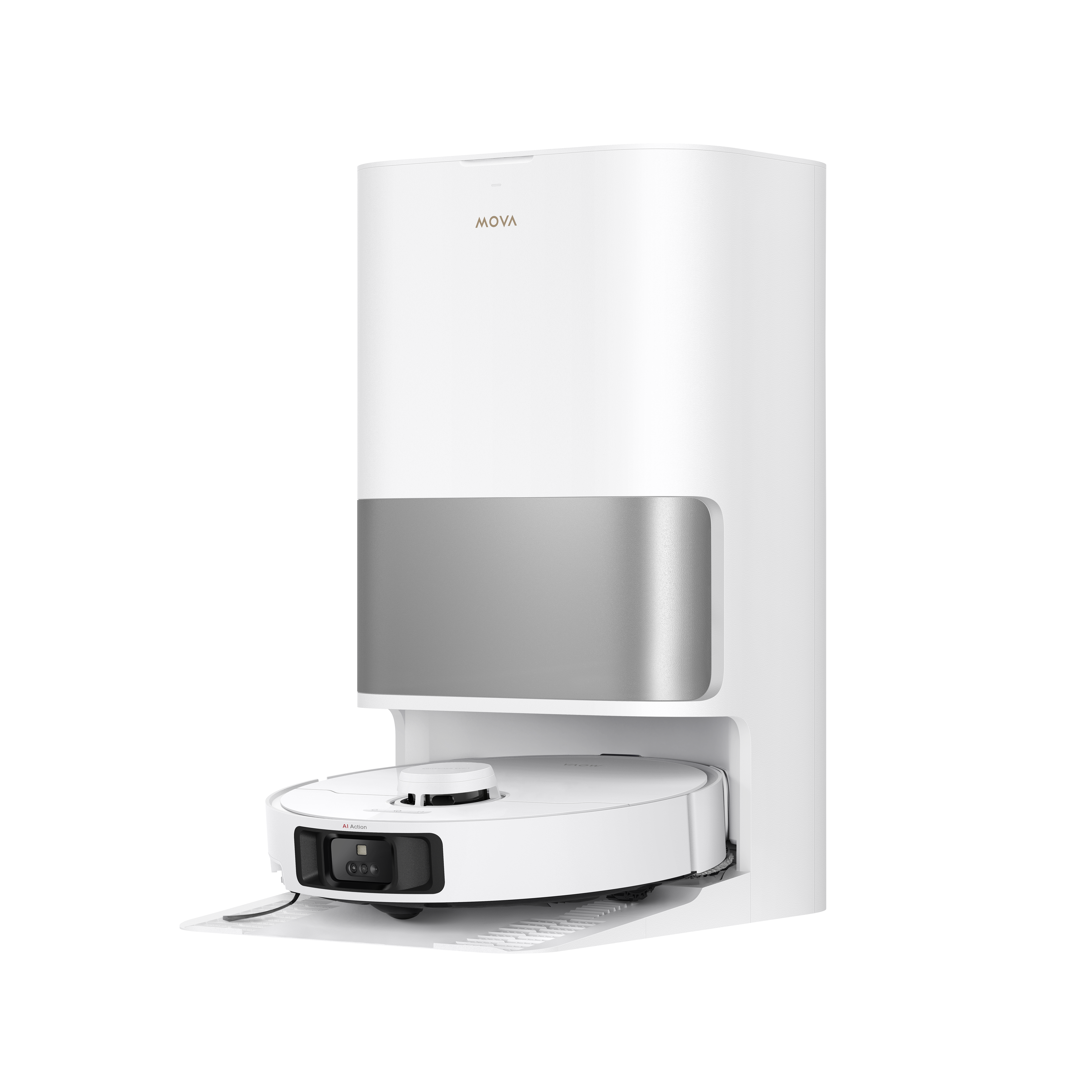
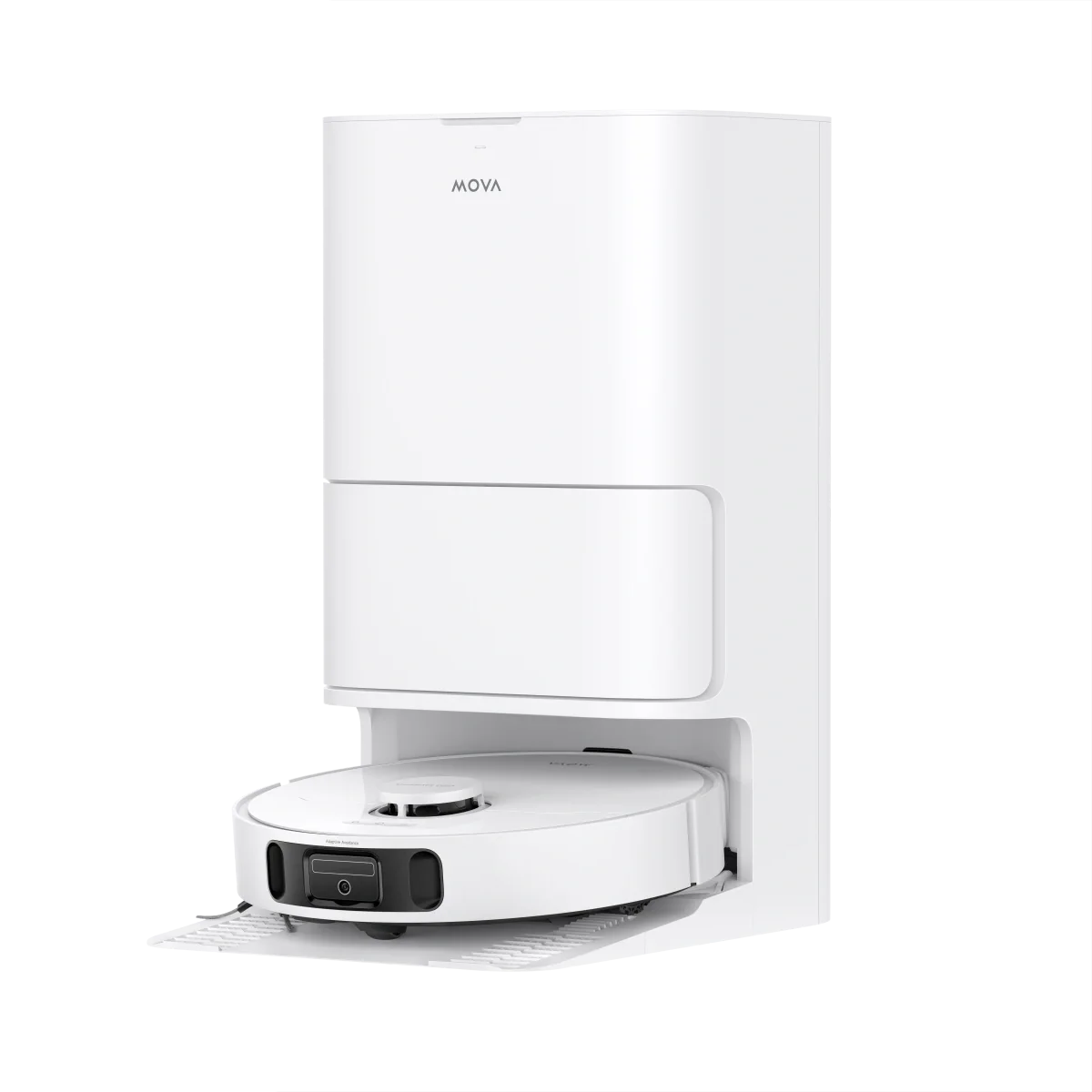
The MOVA V50 Ultra Complete delivers up to 24,000Pa of suction, with ultrasonic carpet detection and Carpet Boost for stronger vacuuming on carpeted areas. It can also detach its mop pads at the dock before vacuum-only cleaning to help keep rugs dry. For homes with pets, the TroboWave DuoBrush helps reduce hair tangles during regular cleaning. Spills and stubborn stains still need separate treatment.

Plan a Deeper Clean When Your Carpet Needs It
Even with regular vacuuming, high-traffic carpet can gradually lose its fresh appearance. If the pile still looks dull after a careful vacuum or holds noticeable embedded soil, consider a deeper clean. Follow the manufacturer’s maintenance and warranty requirements, and factor in pets and household traffic when choosing the interval.
Conclusion
Knowing how to clean carpet at home starts with choosing the right method for the fibres and the mess. Vacuum loose grit, deal with spills promptly and use an extractor when a larger area needs deeper attention. Let the carpet dry fully before normal use. Regular vacuuming and quick action on new dirt can help keep the next deep clean manageable.
FAQs
How To Clean Carpets With Baking Soda?
Baking soda may help freshen mild odours on some dry carpets. First, check the instructions for both the carpet and your vacuum. If they permit powder cleaners, test a small patch, apply a light amount and vacuum it away thoroughly after the recommended contact time. Baking soda cannot remove deeply embedded soil or replace carpet extraction.
How Often Should You Deep Clean Carpet?
A 12- to 18-month professional cleaning interval is a useful general starting point. Homes with pets or heavier foot traffic may need more frequent attention. Check your carpet manufacturer’s care instructions and warranty terms before setting a routine.
Is Steam Cleaning Safe for Every Carpet?
No. Many people use steam cleaning to describe hot-water extraction, which uses heated water and suction to remove dirt. Not every carpet tolerates that method. Read the care instructions first, especially for wool and delicate fibres. Treat pet urine stains before using heat, because high temperatures can make the stain and odour harder to remove.