

















When spring arrives and the grass starts growing again, many homeowners open their garage only to find an old lawn mower sitting in the corner. Maybe it is a gas mower with a broken pull cord that has not started in years, or a cordless model with a battery that no longer holds a charge. Either way, it is taking up space that could be used for storage, tools, or new outdoor equipment.
Before putting it beside the garbage bin, there is one important thing to know: lawn mowers usually cannot be disposed of with regular household waste. Gas powered models may contain leftover fuel and oil, while electric models contain batteries and electronic components that require proper handling. Throwing them away incorrectly may violate local waste disposal rules and could result in additional fees.
The best disposal method depends on the condition of your mower. A machine that still runs may have value, while a completely broken unit may need recycling or special disposal. Below are the most practical ways to clear out your old mower safely.
If Your Lawn Mower is Still Working
A mower that starts and cuts grass can still be useful to someone else. Instead of sending it to the landfill, consider selling, donating, or trading it in.
1. Resell on Local Marketplaces
If your mower still cuts grass, there is a good chance a neighbor or a student looking for a summer job will want it. Kijiji remains the bedrock of regional classifieds, while Facebook Marketplace is an excellent tool for reaching people in your immediate area.
To get it sold quickly, give the deck and wheels a quick spray-down to make it look well-maintained. April through June are the peak months for these sales. Price the unit reasonably, but keep a small buffer of $20 to $50 in your asking price to allow for a little bit of negotiation. If you arrange a pickup, try to meet in a high-traffic, well-lit location, such as the parking lot of a local coffee shop or a busy shopping center.
2. Donate to Community Groups or Neighbors
Sometimes the best path is to gift the item to someone who can use it. Neighborhood churches, local gardening clubs, or animal shelters often maintain small green spaces and might appreciate a functioning mower. You can also post the item on local "Buy Nothing" groups. If you take this route, be honest about the mower's maintenance history or any quirks it might have, as this helps the next owner keep it running safely.
3. Check for Retailer Trade-In Programs
While most big-box retailers do not offer year-round trade-in programs for lawn equipment, it is worth checking with your local independent power equipment dealers. Specialized service centers—particularly those authorized for brands like Cub Cadet or STIHL—sometimes run seasonal promotions or Earth Day events where you can trade in old gear for a discount on a new purchase. It is a quick phone call that could turn a piece of clutter into a credit for your next upgrade.
If Your Mower is Dead or Broken
A lawn mower that no longer starts or has major mechanical issues may seem useless, but it does not always belong in the trash. Broken mowers contain valuable metal parts and components that can be recycled or reused. The key is choosing the right disposal method based on your location and the mower type.
4. Utilize Municipal Bulk Waste or Eco-Stations
When a machine is beyond repair, your local municipality is usually the most reliable way to dispose of it. Keep in mind that policies change significantly depending on where you live. In places like Toronto, you can use online tools like the "Waste Wizard" to schedule a specific bulky item pickup. Conversely, many municipalities in Alberta or British Columbia require you to haul the unit to a dedicated Eco-Station or a Household Hazardous Waste (HHW) depot.
Before you haul your mower anywhere, preparation is mandatory. If it is a gas model, you must drain all fuel and oil into approved containers and take those fluids to a hazardous waste facility separately. For electric models, you must remove the lithium-ion battery. These batteries are fire hazards and must be taken to an authorized drop-off site, such as an EPRA (Recycle My Electronics) location.
5. Sell It to a Local Scrap Metal Yard
If you have the means to transport the machine, a scrap yard might actually pay you to take it. Prices are based on the weight of the metal and fluctuate alongside global market trends. You can generally expect a standard push mower to fetch between $15 and $40, depending on the current demand for steel and aluminum.
Keep in mind that a fully assembled mower is considered "dirty scrap" because it contains plastic, rubber tires, and cables. If you have a few basic tools and a bit of time, you can pull the aluminum engine block off the deck. Selling that clean aluminum separately from the rest of the steel frame will net you a much higher payout per pound.
6. Hire a Junk Removal Service
This is the most convenient option, though it comes at a premium. It is a practical choice for those dealing with heavy riding mowers, homeowners without a truck, or anyone who simply cannot manage the heavy lifting. Large, reputable networks such as 1-800-GOT-JUNK? or Just Junk operate throughout the country and handle everything from the loading to the final disposal.
Since these services charge based on how much space your items take up in their truck, paying for a single push mower is rarely cost-effective. To make the most of the service, wait until you are ready for a full basement or garage cleanout and bundle the mower with the rest of your junk to maximize the value of your trip fee.
7. The "Curb and Sign" Method
There is a long-standing, unofficial custom for getting rid of bulky items: the "curb alert." On a clear, dry weekend morning, place the mower at the end of your driveway with a cardboard sign reading "FREE - As Is" or "FREE - For Parts."
Within a few hours, it will likely be claimed. Local DIY mechanics often hunt for these machines to harvest parts for their own repair projects, and independent "scrappers" are always on the lookout for scrap metal. Just ensure the machine is drained of fluids first—it is a common courtesy and ensures the person picking it up doesn't accidentally spill oil on their vehicle or the street.
What to Do Next: Upgrade to a Low-Maintenance Robotic Lawn Mower
The summer season is vibrant but brief, and most of us would rather enjoy those sunny weekends than spend them sweating behind a heavy, vibrating machine. Traditional mowers bring a laundry list of chores: messy oil changes, spark plug replacements, and the tedious ritual of winterizing the engine before the first snowfall. It is a cycle of maintenance that eats into your leisure time.
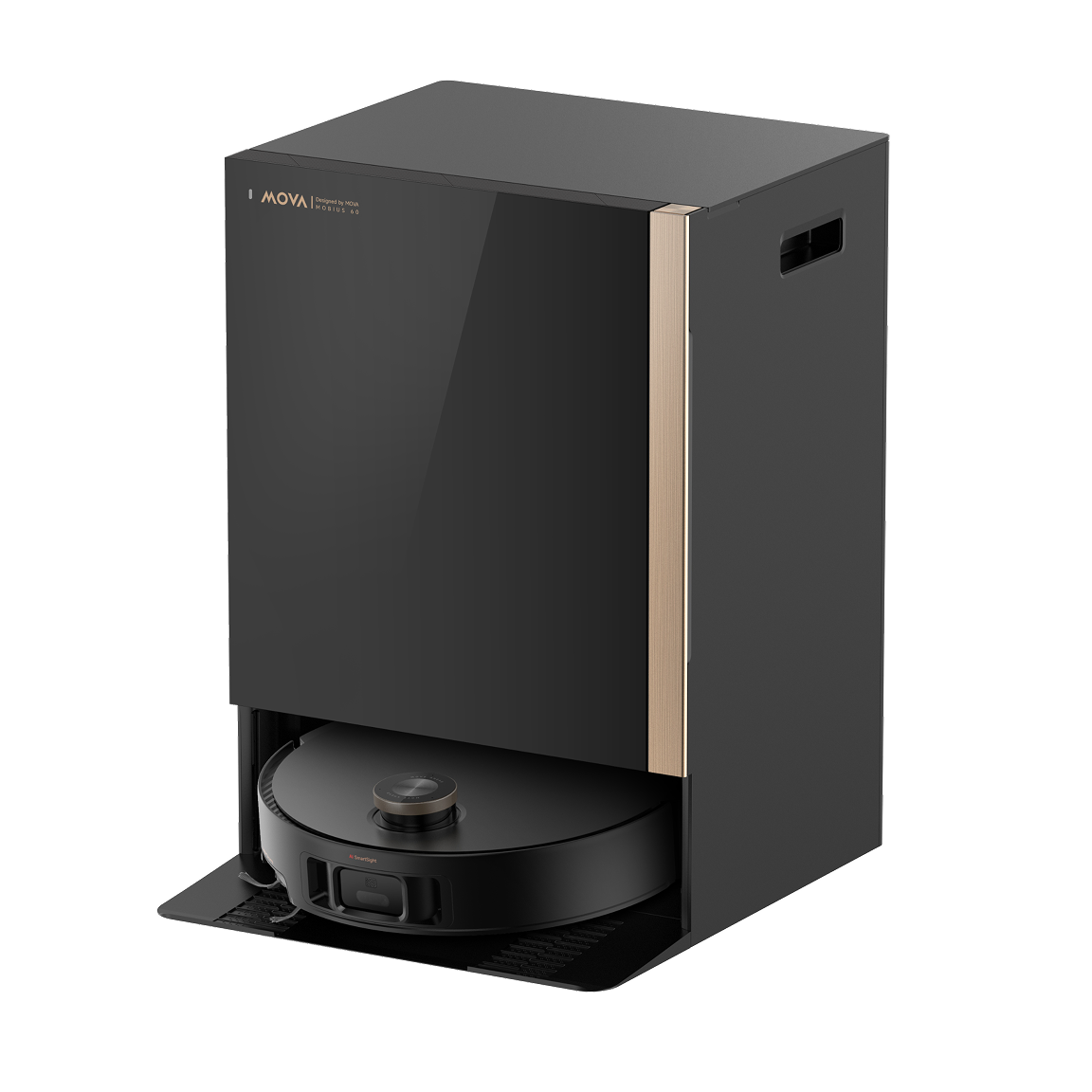
The smart alternative is moving toward autonomous robotic lawn mowers like the MOVA LiDAX Ultra series. These advanced devices handle the grass maintenance for you, operating on a set schedule that keeps your lawn looking pristine without a single push. Because they run on high-capacity rechargeable batteries, you can finally walk away from the hassle of handling gasoline and engine oil entirely.
Robotic mowers like those from MOVA offer specific benefits for our climate and complex yard layouts. They utilize 360-degree LiDAR and AI vision to map your yard in minutes—without the need for buried boundary wires or complex RTK antenna setups. They operate by trimming microscopic amounts of grass on a daily basis, and these tiny clippings settle back into the soil as natural mulch, providing the nutrients your lawn needs to recover and thrive after the stress of a long, cold winter.
Perhaps most importantly for suburban life, these machines are exceptionally quiet. You can schedule them to run at night or in the early hours of the morning without ever worrying about violating municipal noise bylaws. Whether you have a flat suburban plot or a challenging property with steep slopes, models like the LiDAX Ultra 3000 AWD provide the traction and navigation intelligence to handle the terrain automatically, allowing you to reclaim your weekends.
Conclusion
Getting rid of an old lawn mower does not have to be complicated. The best option depends on the mower’s condition and how much effort you want to put into the process.
If you are looking for an easier way forward, consider an autonomous solution like a MOVA robotic mower. These units remove the need for fuel, oil, and manual labor entirely, providing a quiet and automated way to keep your grass healthy. It is the best way to reclaim your weekends and leave the maintenance headache behind for good.