









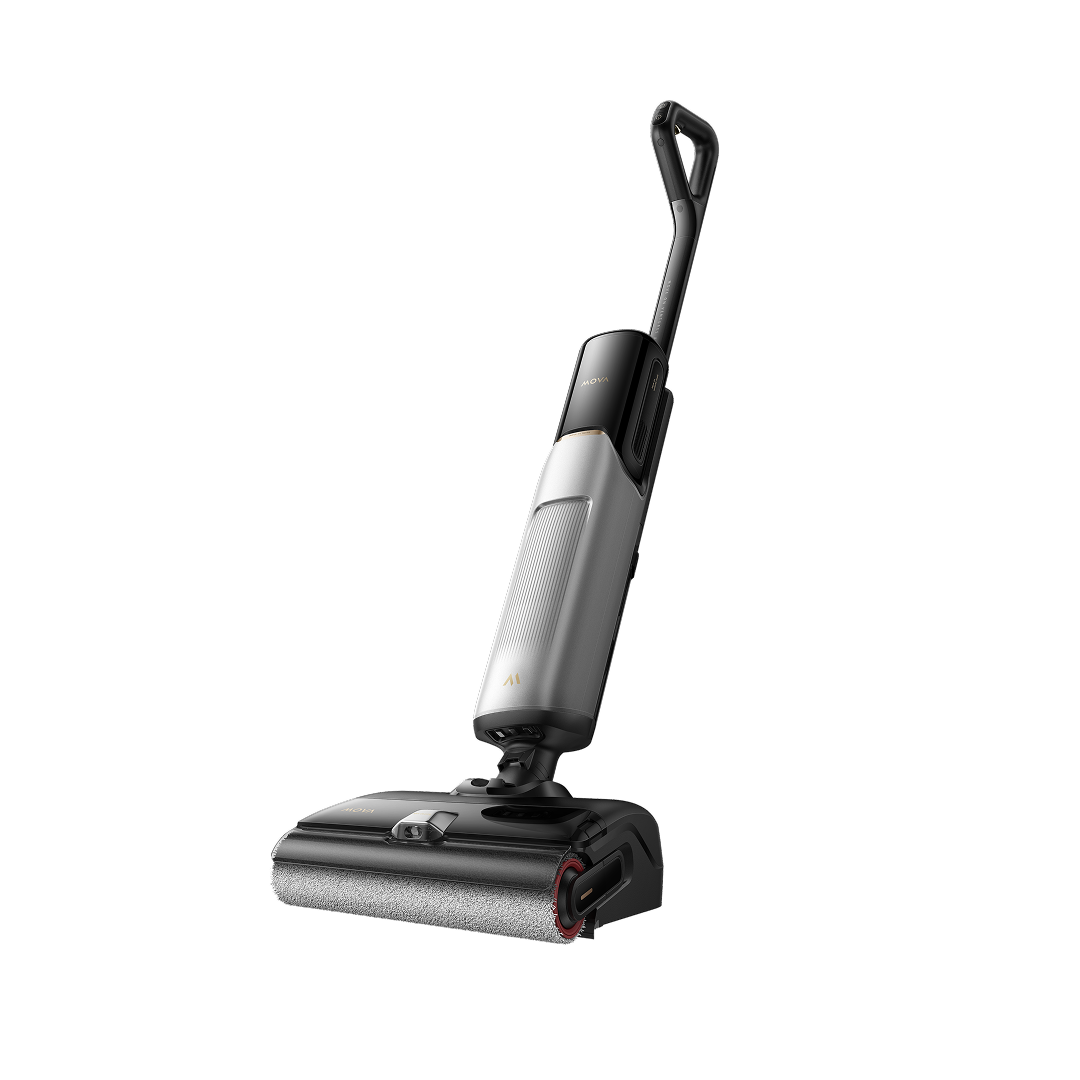


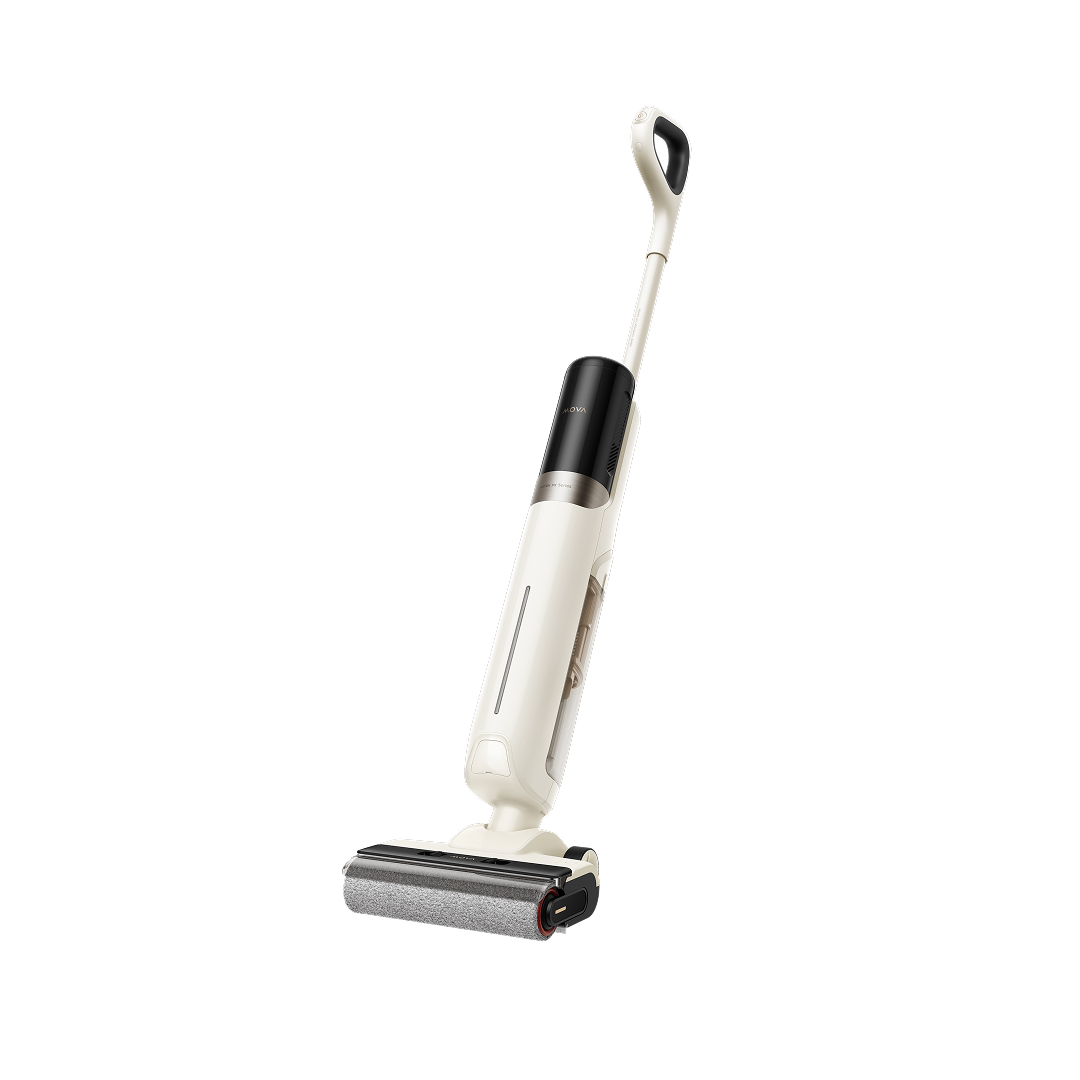






Choosing a vacuum cleaner based on suction power alone can be misleading. A higher number does not automatically mean better cleaning, and the wattage listed on a product page does not tell you how much suction the vacuum actually delivers at the floor.
For Canadian homes, the right suction level depends on what you clean most often. Hardwood, laminate and tile need effective pickup without scattering debris, while carpets need enough airflow, suction and brush agitation to remove dirt that has worked its way below the surface. Homes with pets also have to deal with fur and hair that can collect around rugs, furniture and floor edges.
Seasonal conditions make the choice even more important. Winter can bring road salt, grit and slush into entryways, while spring cleaning often means dealing with accumulated dust and fine debris. In a typical Canadian home with a combination of hard floors and carpets, a vacuum with well balanced cleaning performance is usually more useful than one chosen simply because it has the highest advertised wattage.
How Vacuum Suction is Measured: AW vs. kPa vs. Pa
Vacuum manufacturers use several different measurements to describe cleaning power, which can make comparisons confusing.
Air Watts (AW) describe air power and take both suction and airflow into account. AW is commonly used when describing cordless and traditional vacuum cleaners. As a general reference, cordless vacuums in the roughly 100 to 200+ AW range can offer strong cleaning performance, although AW figures should only be compared when manufacturers use comparable testing methods.
Kilopascals (kPa) and Pascals (Pa) measure pressure difference. One kPa equals 1,000 Pa. These measurements are especially common in cordless and robot vacuum specifications.
For example, robot vacuums may advertise figures such as 20,000Pa, 25,000Pa or 30,000Pa. However, Pa should not be treated as a direct equivalent of AW. A vacuum's real world cleaning performance also depends on airflow, brush design, filtration, floor contact and how effectively the machine maintains suction during cleaning.
This is one reason independent vacuum testing generally looks beyond a single suction specification. Consumer Reports, for example, evaluates vacuum performance on both bare floors and carpets and considers factors such as debris pickup, pet hair and hose suction.
What is Considered a "Good" Suction Power by Vacuum Type?
Suction requirements vary by vacuum type, and AW and Pa should not be compared directly. For Canadian homes, the right level depends mainly on floor type, carpets, pets and the amount of everyday debris.
Cordless Stick Vacuums
Cordless stick vacuums commonly use Air Watts (AW) to indicate suction performance.
| Cleaning level | Approx. suction | Best for |
|---|---|---|
| Standard everyday | 80–120 AW | Hard floors and light debris |
| High performance | 150–250 AW | Pets, carpets and deeper cleaning |
For mostly hardwood or laminate floors, 80–120 AW can be enough for everyday cleaning. Homes with pets or more carpets may benefit from 150 AW or higher.
Robot Vacuums
Robot vacuums usually use Pa (Pascals) to describe suction power.
| Cleaning level | Approx. suction | Best for |
|---|---|---|
| Traditional standard | 2,000–4,000Pa | Hard floors and light debris |
| Modern high performance | 8,000–30,000Pa | Mixed floors, carpets and pet hair |
For Canadian homes with hardwood, rugs and carpets, higher-suction robot vacuums can provide stronger pickup of pet hair, dust, grit and winter debris.
However, suction power is only one part of cleaning performance. Brush design, airflow, carpet detection and floor contact also matter, so the highest Pa rating is not always the best choice.
Matching Suction Power to Your Home Surfaces
- Hardwood & Tile: Around 100 AW or 2,500–5,000Pa is generally enough for everyday dust, crumbs, pet hair and loose debris. Focus on a soft, floor-friendly brush and good debris pickup rather than maximum suction.
- Carpets & Rugs: Carpets can trap fine dust, grit and hair between the fibres. 150 AW+ or 8,000Pa+ is a useful starting point for stronger carpet cleaning, especially for medium or thick-pile rugs.
- Homes With Pets: Cats and dogs can leave hair across both hard floors and carpets. Look for strong suction, anti-tangle brush systems and automatic boost modes to improve hair pickup and reduce brush maintenance.
- High-Traffic Areas: Entryways and living areas often collect more dirt, crumbs and outdoor debris. Stronger suction can help pick up sand, grit and winter road salt that gets tracked indoors.
- Mixed Flooring: If your home combines hardwood, tile, rugs and carpets, an adjustable suction system or automatic floor detection is more practical than using maximum suction everywhere.
How High-Suction Smart Cleaners Solve Canadian Cleaning Challenges
For modern Canadian homes, strong suction works best when combined with smart cleaning features. After winter, for example, a robot vacuum may need to handle fine dust, tracked-in dirt, pet hair and debris embedded in carpets.
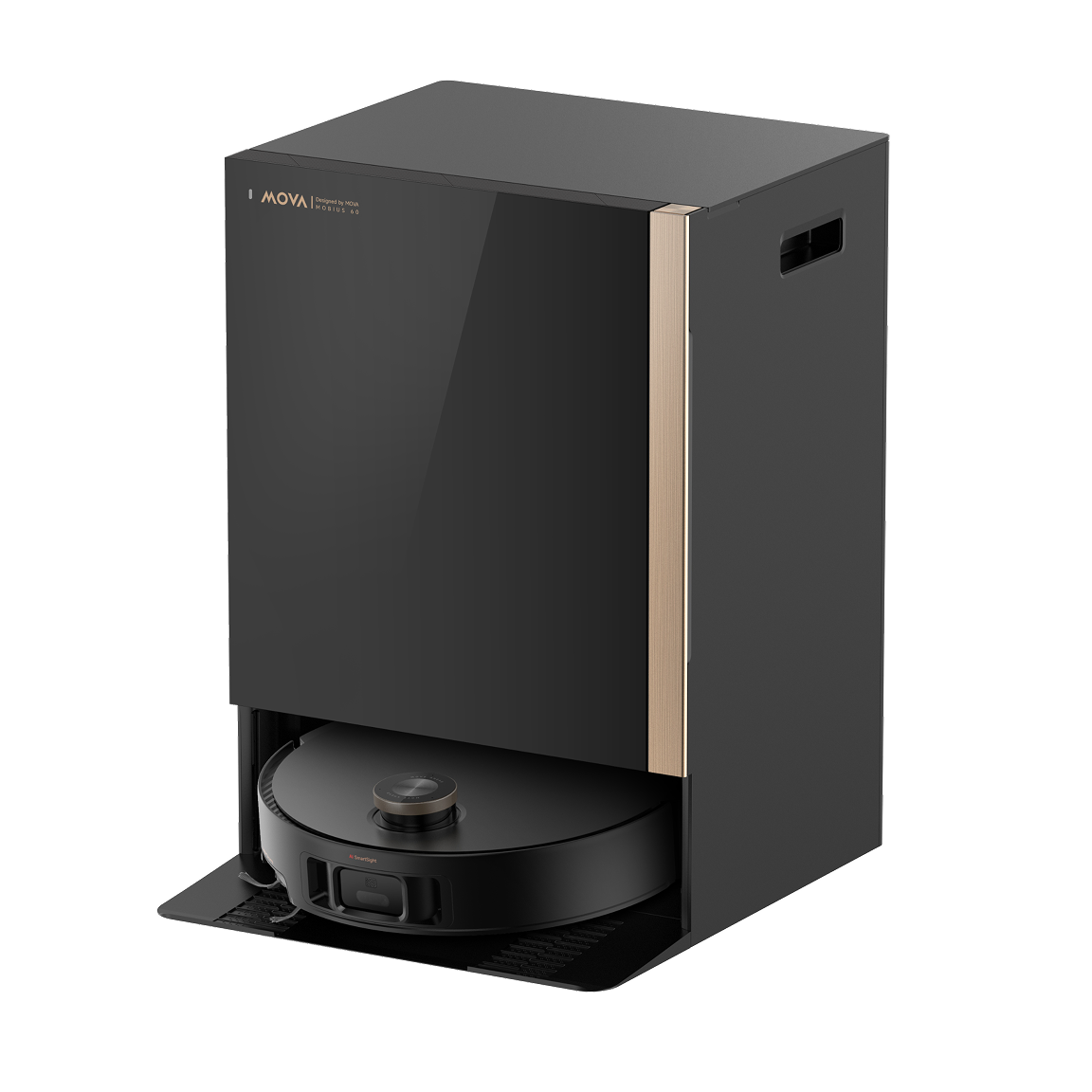
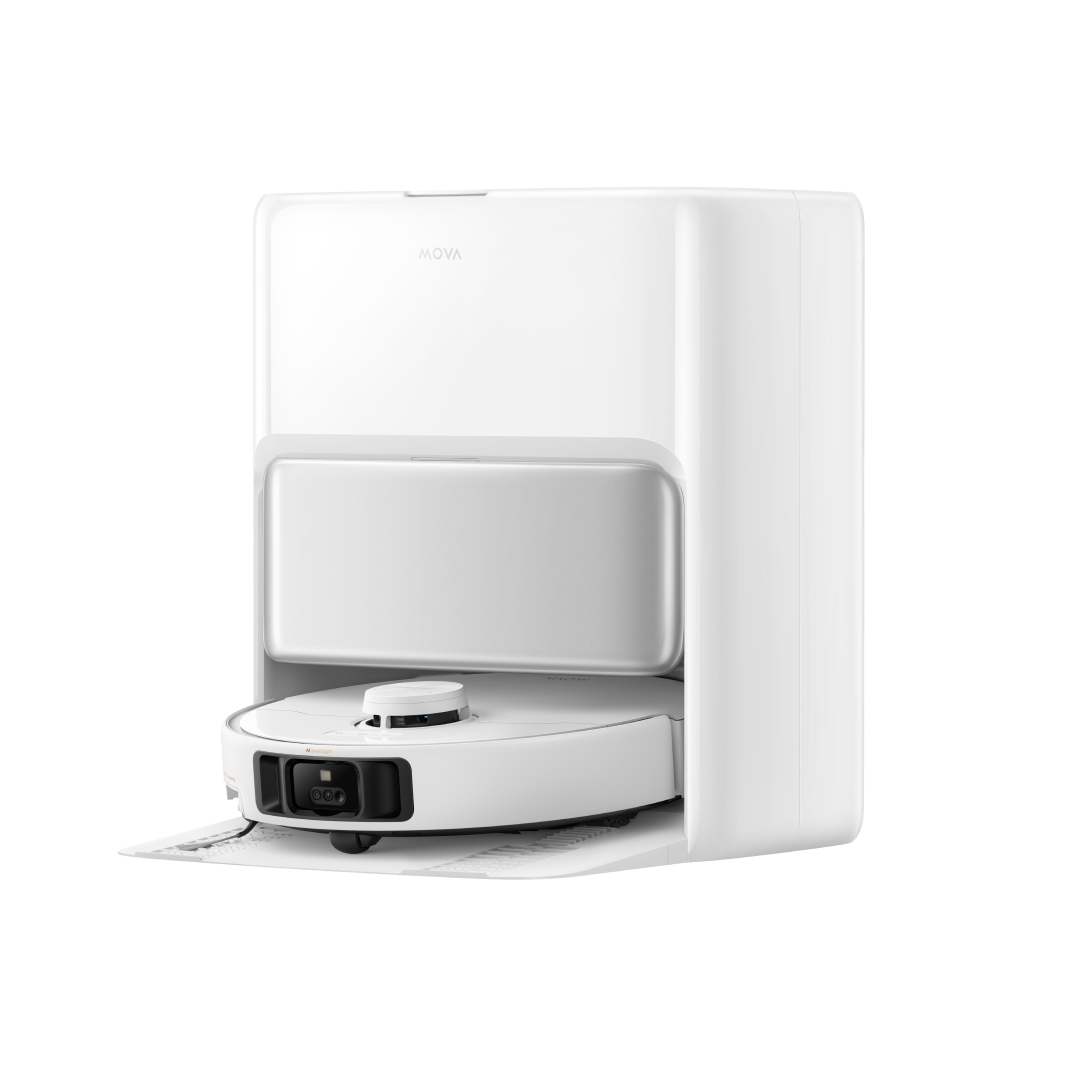
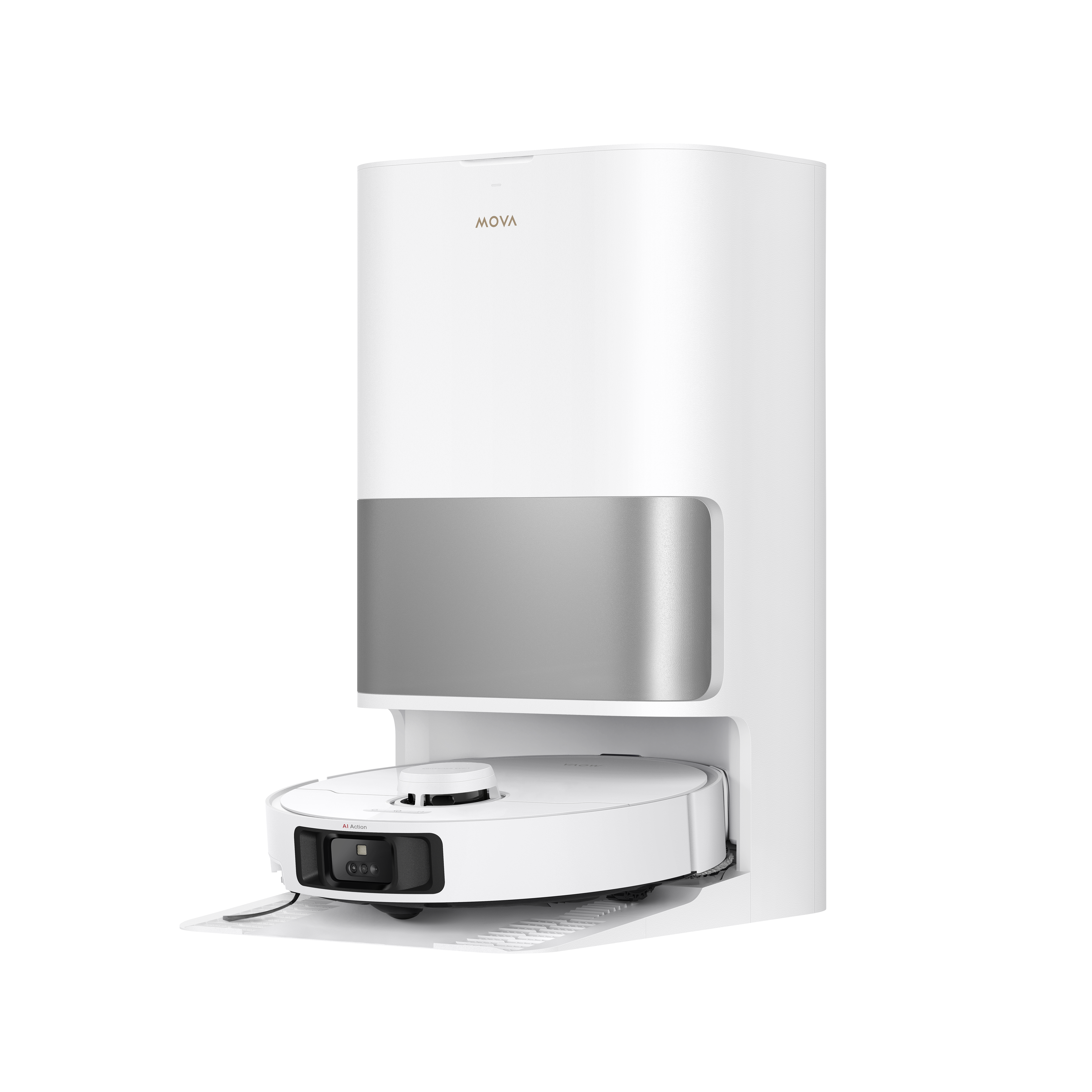
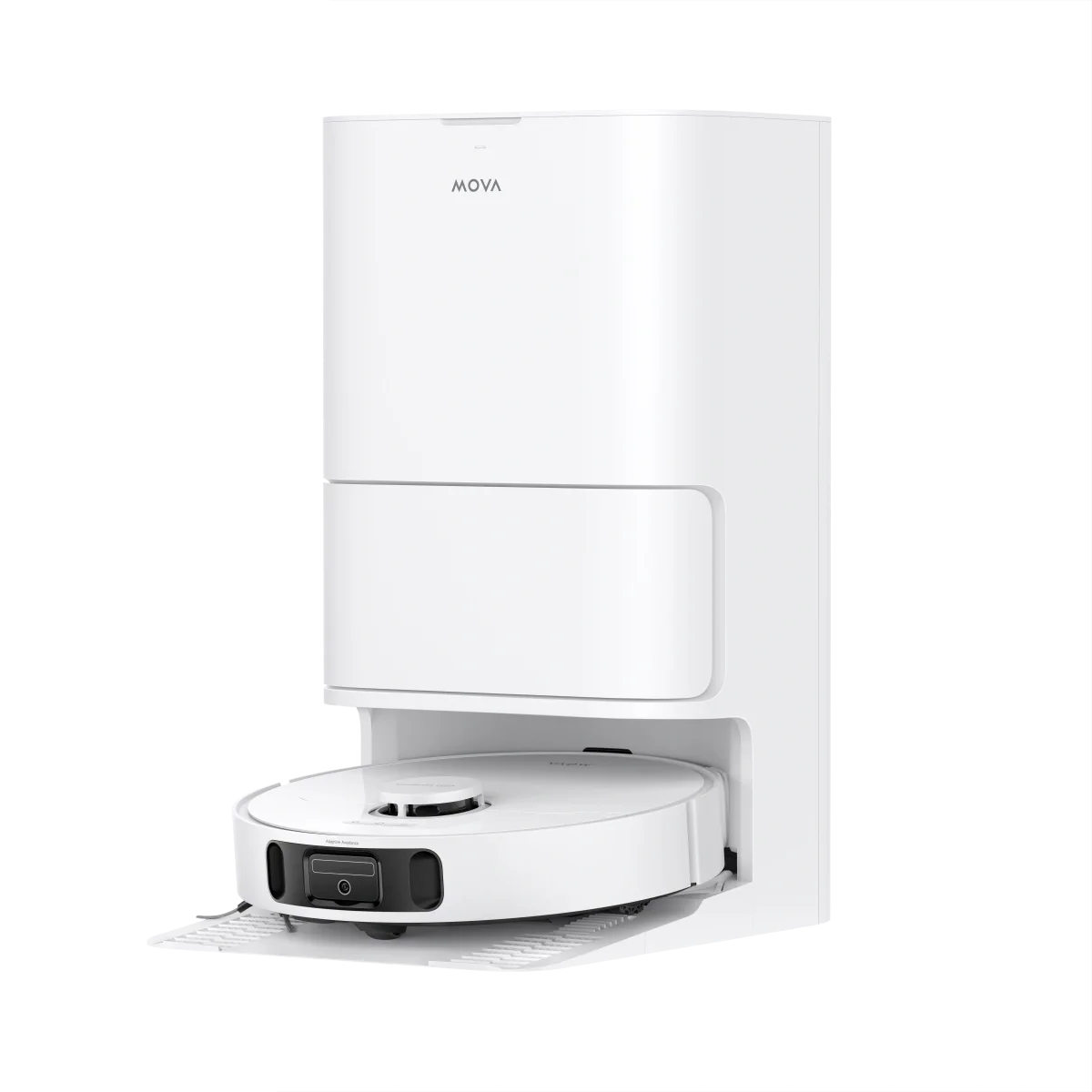
The MOVA P70 Pro Ultra combines up to 30,000Pa suction with a 120,000RPM motor to target both larger debris and fine particles. Its carpet detection can automatically increase suction when needed, while the CleanChop™ Brush is designed to reduce hair tangling during cleaning.
This combination of strong suction and automatic cleaning adjustments can reduce the amount of manual maintenance required in homes with mixed flooring and pets.
Summary
Don't choose a vacuum based on suction numbers alone. Start with three factors: floor type, pet presence and cleaning habits.
For whole-home cleaning, a modern high-suction robot vacuum or a powerful cordless vacuum can provide strong everyday pickup while reducing the amount of manual cleaning required.
FAQ
1. What is considered good suction power for a vacuum cleaner?
For cordless vacuums, 100–150 AW is a practical range for everyday cleaning, while 150 AW or higher is better suited to carpets and pet hair. For robot vacuums, 8,000–20,000Pa is a strong range for mixed flooring, while premium models can reach 30,000Pa or more.
2. Is higher Pa always better for a robot vacuum?
No. Higher Pa can provide stronger suction, but it does not automatically mean better cleaning. Brush design, airflow, carpet detection and floor contact also affect real-world performance.
3. How much suction power do I need for carpet?
Carpets generally need stronger suction than hard floors because dirt and pet hair can become trapped between the fibres. Around 150 AW+ for cordless vacuums or 8,000Pa+ for robot vacuums is a useful starting point for deeper carpet cleaning.
4. What suction power is best for hardwood floors?
Hardwood floors do not usually require maximum suction. Around 100 AW for cordless vacuums or 2,500–5,000Pa for robot vacuums can be suitable for everyday dust, crumbs and pet hair. A floor-friendly brush is also important.
5. Does vacuum motor wattage affect suction power?
Motor wattage indicates how much electrical power the vacuum uses, but it does not directly measure suction power. Airflow, filtration, brush design and the overall air path can all affect how effectively a vacuum picks up dirt.