

















You just spent your entire Sunday afternoon wiping down your home. You wiped the baseboards, ran the vacuum, and scrubbed the floors. But an hour later, you sit down with a cup of coffee, look over at your coffee table, and notice a thin, mocking layer of dust sitting right there on the wood. How is that even possible? Did you just waste your whole afternoon?
Don't worry, your cleaning skills are fine. You just fell into a trap that catches almost everyone: cleaning in the wrong order.
Getting the sequence wrong is the absolute number one reason people find themselves "re-dusting" their homes over and over again. When your house stays shut tight for months to keep the freezing cold out, the indoor air just constantly recycles whatever is inside. This means the dust layer builds up fast. Let's break down the actual physics of household dust and look at why the sequence of your chores can save your schedule.
The Golden Rule: Top-to-Bottom
When it comes to maintaining a pristine home, gravity is either your best friend or your worst enemy.
Dust particles are light, but they are still subject to gravity. Think about what happens when you wipe down a ceiling fan, clear off a high bookshelf, or clean the top of your window frames. You might catch a lot of the grime on your cloth, but thousands of microscopic particles inevitably get stirred up and tumble downward.
Because of this, professional cleaners have a strict verdict: Dust first, vacuum second. If you do it the other way around vacuuming your rugs and then dusting your shelves all that falling debris lands right back onto your freshly cleaned floors. You end up creating double work for yourself.
Here is a quick trick that pros use: the "settle" period. Once you finish wiping down your high surfaces, don't start your vacuum right away. Take a 5 to 10-minute break. Let the airborne particles that you just stirred up drift down and land completely on the floor. That way, when you turn on your machine, you can sweep everything up in a single, clean pass.
When to Dust First (The Standard Routine)
For most standard homes, sticking to the dust-first routine is the easiest way to keep your space fresh. This is especially true if your entryway is constantly dealing with dried road salt grit that crumbles into a fine powder, or if the spring thaw has brought dried mud into your foyer.
Grab a high-quality microfiber cloth to tackle your tables, shelves, and electronics first. Microfiber acts like a magnet for grime, but some fine particles will still escape and float down to the ground.
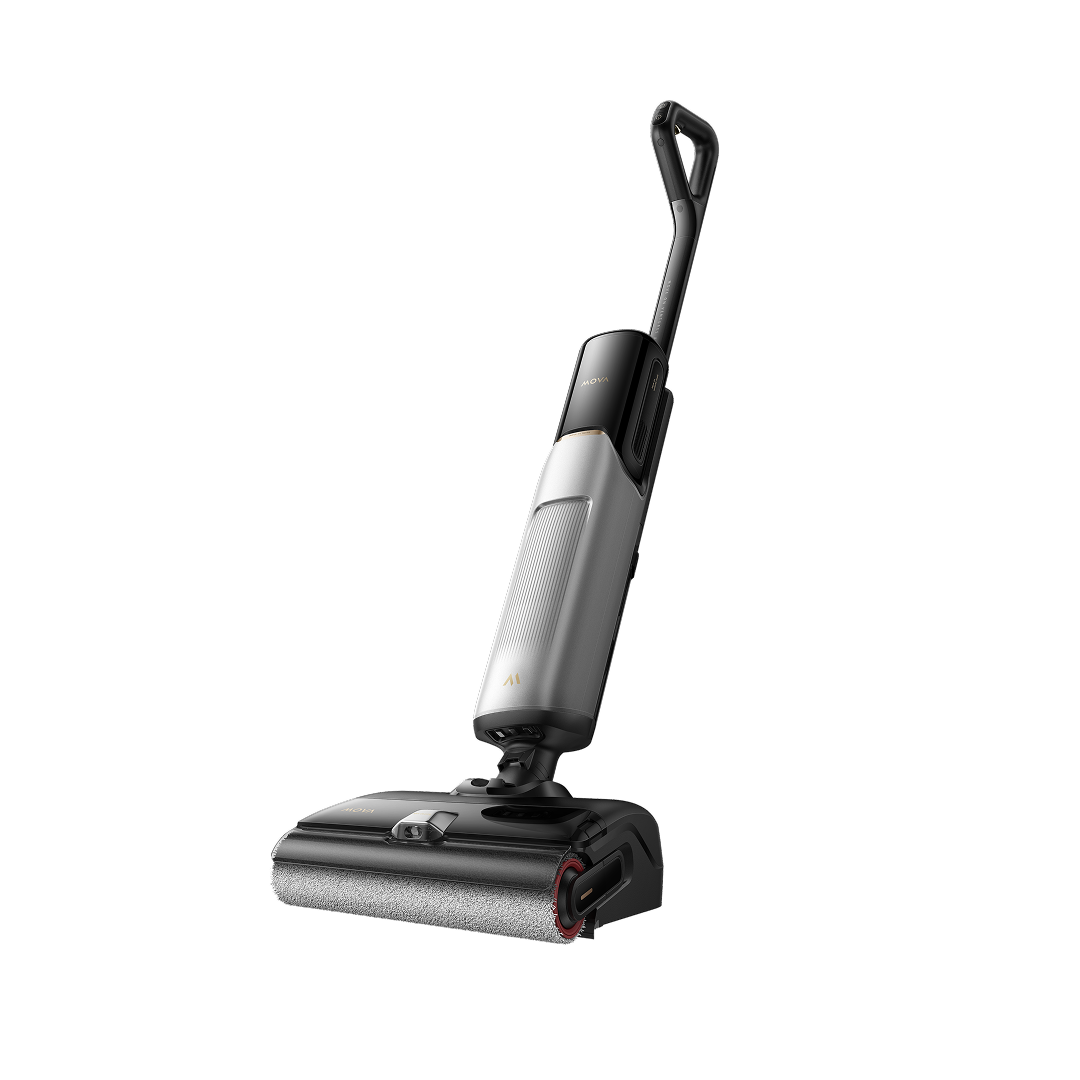
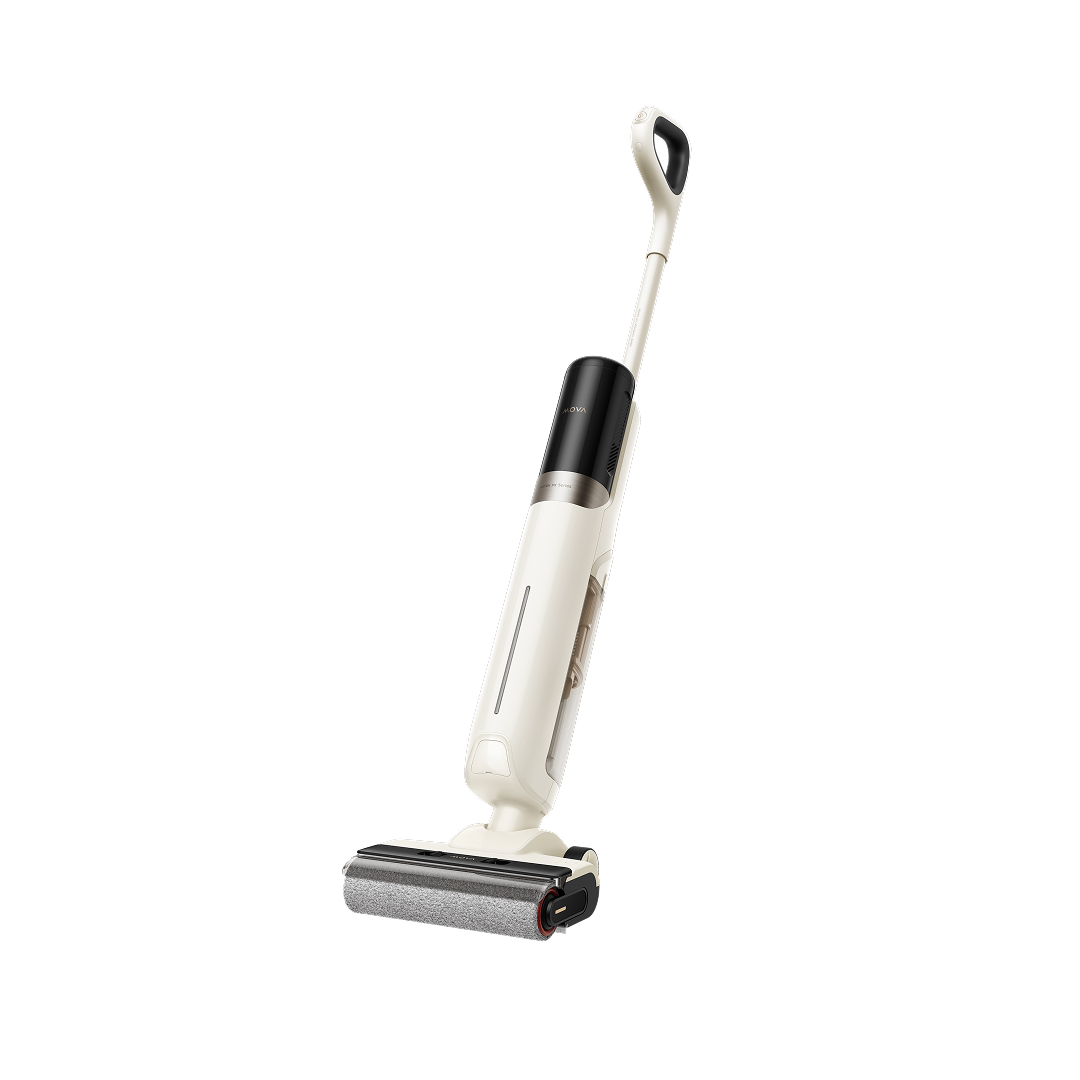
This is where smart home tech makes the routine incredibly efficient. Instead of balancing on a chair with an old feather duster, you can use the MOVA V50 cordless stick vacuum. It is light enough to lift overhead, and you can pop on its specialized brush attachment to safely clear off high shelves and blinds before switching it into floor mode. Any stray particles that escape the brush will drop directly to the hard floors or rugs, waiting for the floor cleaning pass.
When to Vacuum First (The Exception to the Rule)
While top-to-bottom is the golden rule, every household has its quirks. There are two specific situations where it actually makes sense to flip the script and run your vacuum before you touch a dusting cloth.
High-Pet Households
If you share your home with multiple shedding pets, you know that pet hair behaves differently than regular dust. When dogs or cats run through the living room, they leave clumps of loose fur floating along the baseboards and under the sofa cushions. If you try to dust your coffee table while loose fur is drifting around the floor, the slightest breeze from your movement will launch that hair right onto your damp surfaces. Doing a quick "pre-vacuum" lifts the heavy hair and stops it from flying around while you wipe down your furniture.
Severe Allergy Days
During the height of allergy season, or when the air gets heavy with outdoor summer smoke, dust mites and pollen build up quickly. If you dive straight into dusting dry surfaces, you risk agitating those allergens and triggering a massive sneezing fit.
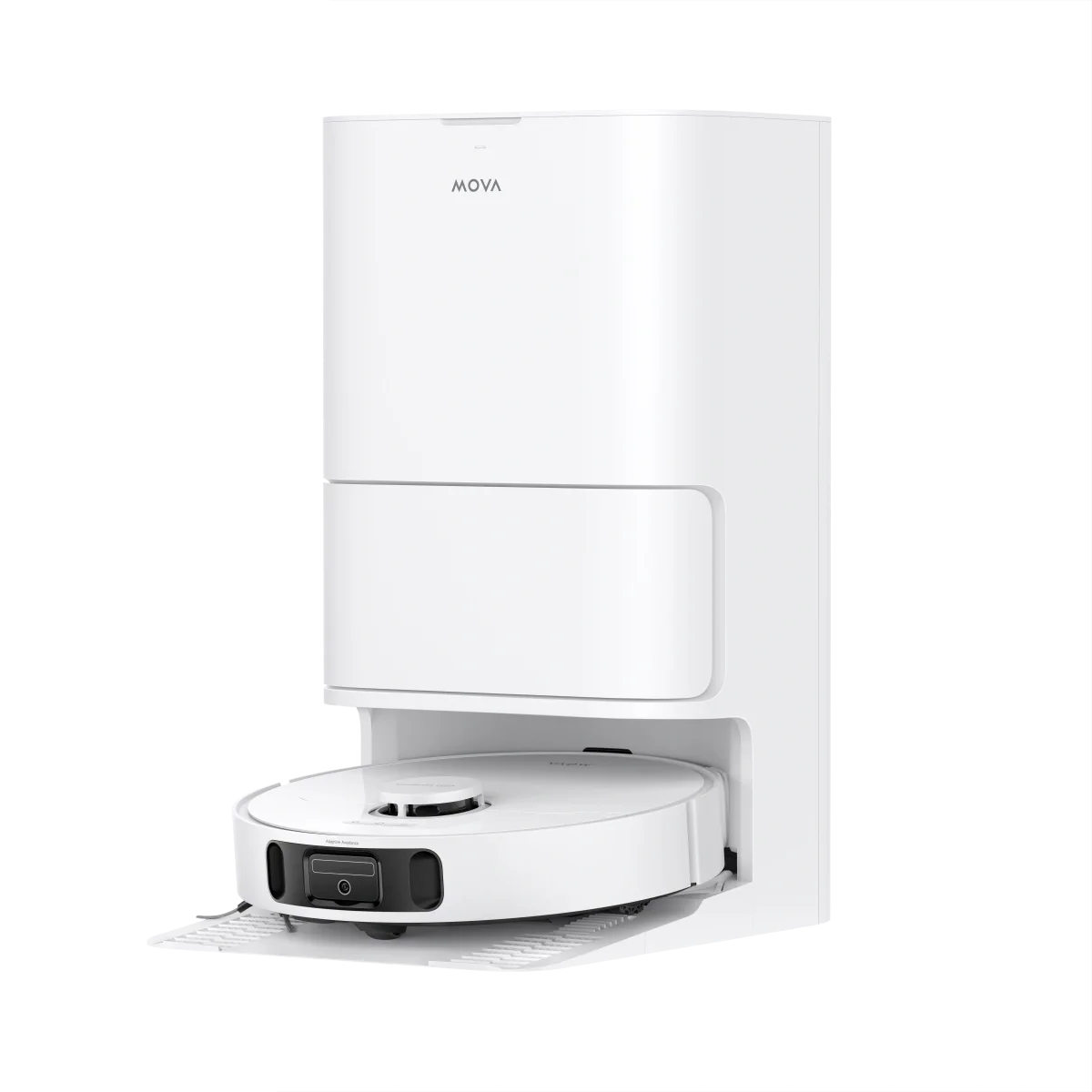
On those heavy allergy days, power up a high-suction vacuum with a sealed system, like the MOVA P10 Pro Ultra Gen2, first. By cleaning the floors and running the machine over heavy dander areas beforehand, you pull a massive volume of allergens out of the room completely. This means there is much less debris left to float into the air when you finally wipe down your furniture.
Our Top Picks for the Ultimate Top-to-Bottom Clean
When you stop trying to force one machine to do everything, home care becomes a breeze. By setting up a smart, tag-team routine, you can catch the dust at every level before it takes over your rooms. Here is how to pick your squad for a flawless top-to-bottom clean:
The Automated Closer: MOVA Z60
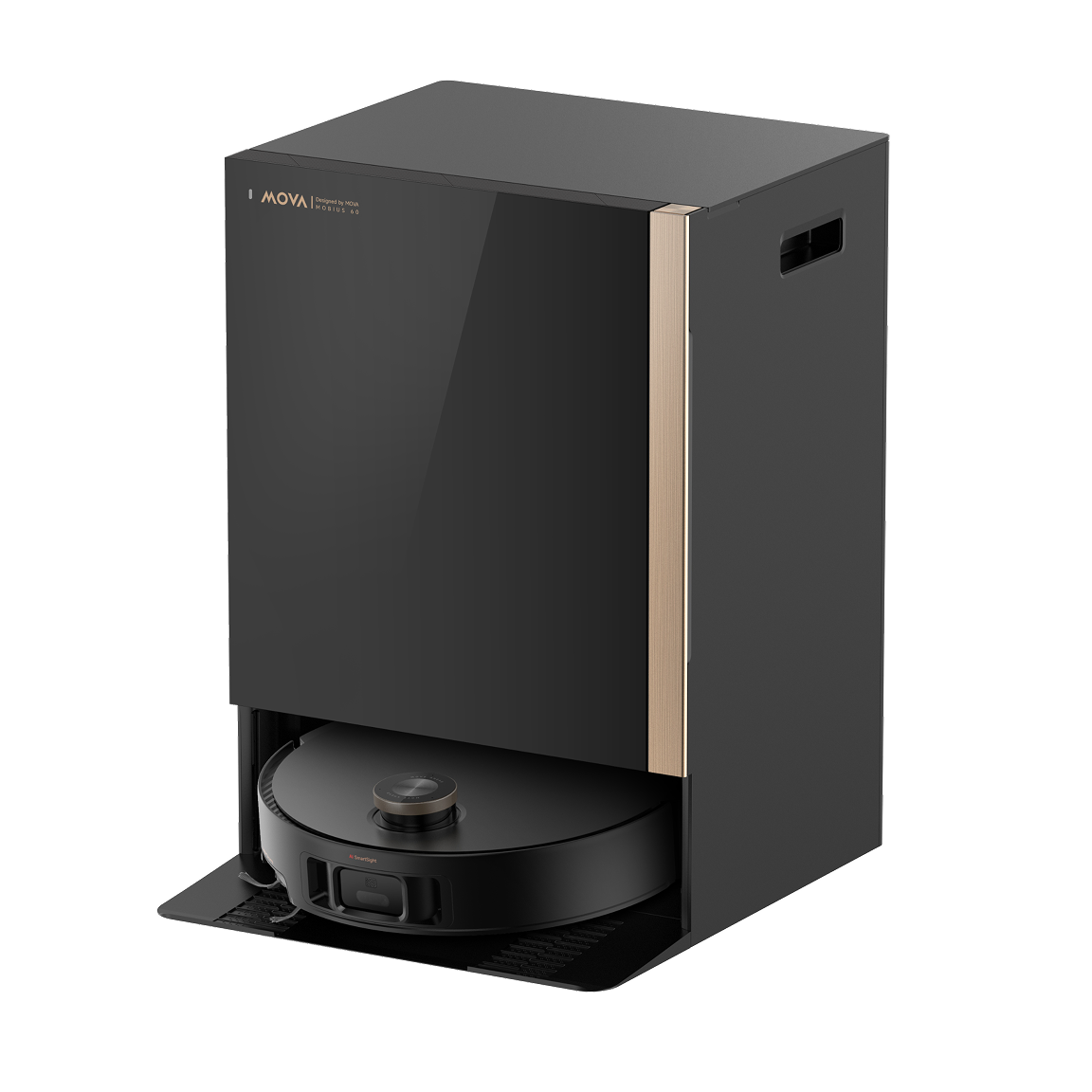
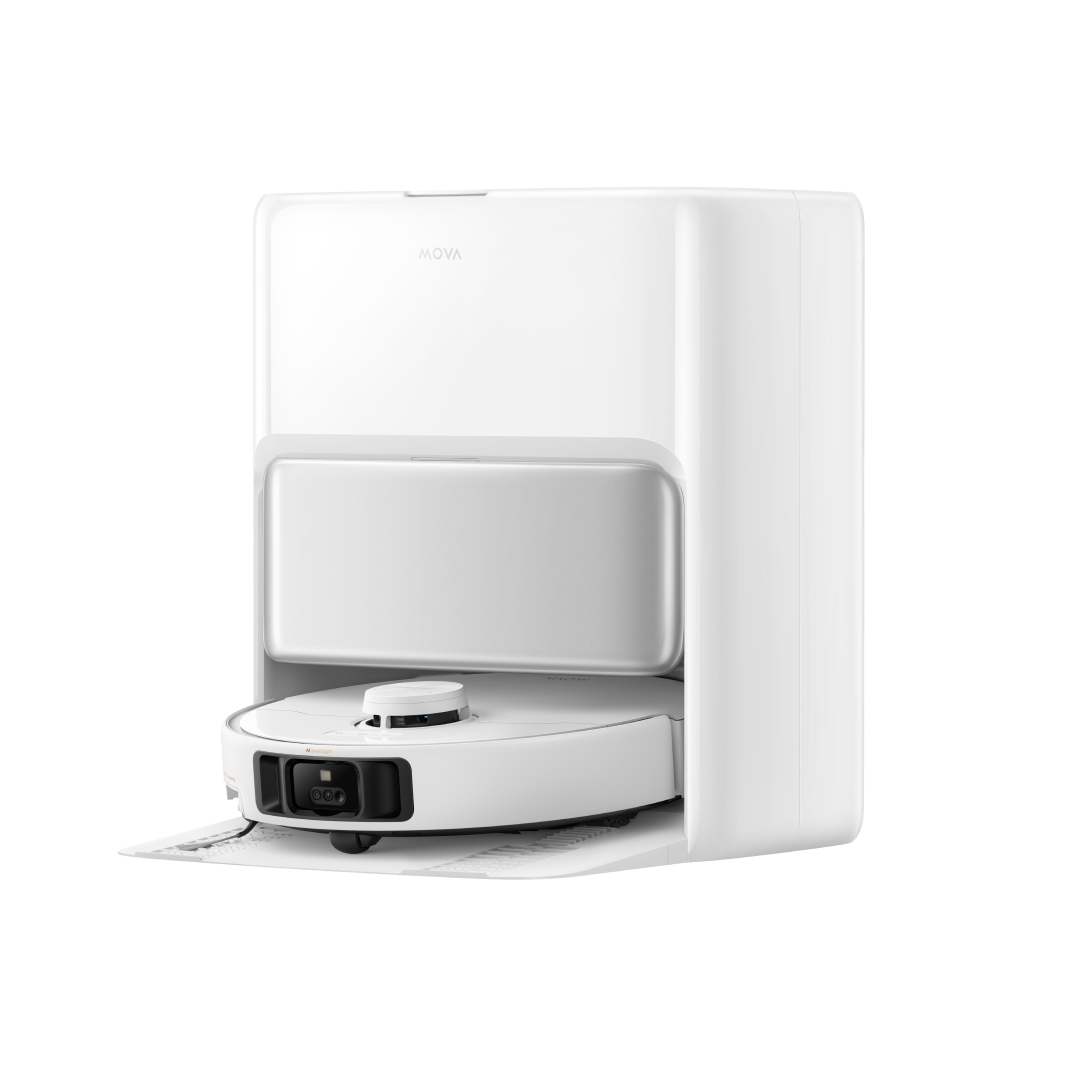
Once you finish wiping down your shelves and those airborne particles have settled onto the hard floors, you can just tap a button and walk away. The MOVA Z60 Robot Vacuum handles the entire floor-cleaning pass automatically. It glides along baseboards and underneath furniture, using precision sensors to detect and lock away the finest fallen dust. Because it sweeps and mops in a single run, it completely wipes out any leftover residue without blowing a single dust mote back into your breathing zone.
The Versatile High-Reacher: MOVA V50
Why wait for dust to hit the floor when you can catch it at the source? You can pop the MOVA V50 Ultra Complete into handheld mode and use its specialized brush attachments to "vacuum-dust" your crown moldings, high light fixtures, and ceiling vents. It sucks up the debris immediately instead of letting it tumble downward. When you are done with the high surfaces, you can easily click it back into floor mode to clean up the entryways where dried mud or grit accumulates.
The Deep-Clean Specialist: MOVA P50 PU
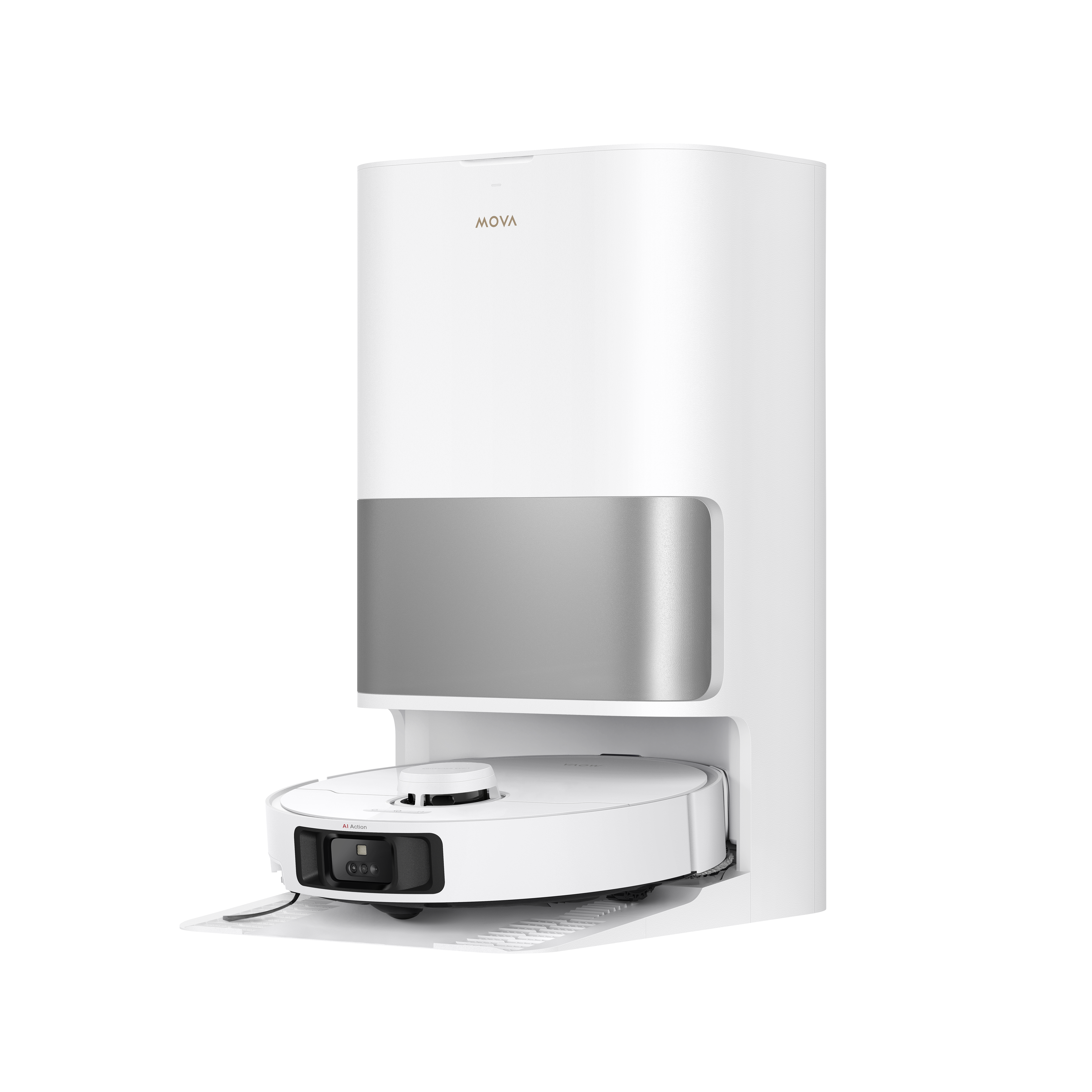
For carpeted living rooms and bedrooms, falling dust loves to hide deep inside fabric fibers where a standard wipe won't reach. The MOVA P50 Pro Ultra is built for this final, critical step. Its deep-carpet agitation physically shakes the fibers, pulling out every hidden particle, fine pet hair, and stray allergy trigger that dropped down during your initial cleaning. It secures everything inside a tightly sealed bin, leaving your rugs completely fresh.
Common Dusting Mistakes to Avoid
Even if you follow the correct top-to-bottom order, a few small bad habits can completely wreck your hard work. If you want to stop re-dusting your home, make sure you aren't committing these common cleaning blunders:
- Using Traditional Feather Dusters: They look classic, but old-school feather dusters are essentially just tiny brooms for your furniture. They don't actually hold onto dirt—they just flick it into the air, allowing it to float around before settling right back down on the exact table you just wiped. Ditch the feathers and stick to high-quality microfiber cloths or active vacuum brush attachments.
- Ignoring Your Vacuum Filter: If you don't clean or replace your filter, your vacuum turns into a dust launcher. A clogged filter creates backpressure, forcing microscopic particles and musty smells to vent straight out of the exhaust and right back into your living room. Make sure to rinse or swap out your high-efficiency filters regularly to keep the air pure.
- Forgetting the "Hidden" Retreats: Dust bunnies love a quiet hiding spot. Baseboards, the tight gaps beside the refrigerator, and the dark spaces under the sofa act as breeding grounds for dust clumps. When your furnace kicks on or someone walks by, the airflow pulls those hidden dust bunnies right back out onto your clean floors.
The Ultimate 4-Step Cleaning Checklist
Want a foolproof routine that guarantees a spotless home on the first try? Follow this simple, professional-grade checklist every single time you clean:
1. The High Dust: Start at the absolute peak of your rooms. Tackle your ceiling fans, high-light fixtures, crown moldings, and the very tops of your shelves.
2. The Surface Dust: Move down to eye level. Wipe down your coffee tables, entertainment stands, electronics, and finally, your baseboards.
3. The Settle Period: Walk away for 10 minutes. Grab a glass of water or check your phone while you let gravity pull all the floating, agitated airborne particles completely down to the ground.
4. The Floor Pass: Run your vacuum to seal the deal and lock away the fallen debris from your hard floors and rugs for good.
Comparison Table: Cleaning Sequences
While the standard routine works perfectly for a normal weekend tidy-up, specific household situations require a slightly tailored approach. Use this quick reference guide to adjust your sequence based on your home's current needs:
| Situation | Recommended Order | Why? |
|---|---|---|
| Weekly Maintenance | Dust → Vacuum | Maximum efficiency; works alongside gravity to clear surfaces cleanly. |
| Heavy Pet Shedding | Vacuum → Dust → Vacuum | Controls loose fur \"tumbleweeds\" first so they don't fly onto damp surfaces while you wipe. |
| Allergy Season | Vacuum (HEPA) → Dust | Clears the heaviest allergens and purifies the room's air before you agitate surface dust. |
Conclusion
At the end of the day, maintaining a fresh, healthy home doesn't require spending twice as much time scrubbing on your hands and knees. It is simply about working smarter. By sticking to the professional top-to-bottom rule dusting your high surfaces first, letting the air settle, and letting high-suction technology finish the job you completely eliminate the frustration of double work.
Ready to upgrade your cleaning game? Explore the MOVA CA Collection today and discover how smart tools can make stubborn household dust a thing of the past.